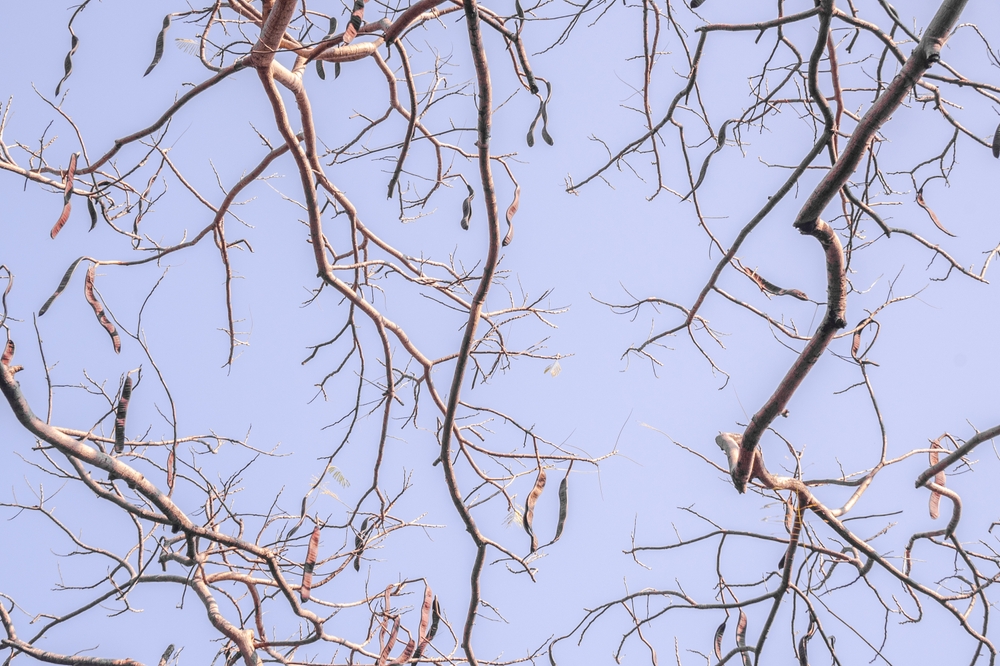
Autumn’s finale isn’t the end—it’s a backstage pass to the secret world of your garden’s hidden hues. When leaves tumble, the vibrant greens and fiery reds take a bow, leaving behind a canvas most gardeners barely notice. Suddenly, what seemed drab is dazzling, and textures and tones you never appreciated start stealing the spotlight. Bark patterns, twig silhouettes, and late-season berries emerge like stars on a dim stage.
If you’ve ever thought your garden hibernates in winter, think again—it’s merely shifting its wardrobe, and the show is spectacular.
Branches And Bark Take Center Stage
Without leaves, tree bark becomes the hero of your garden’s visual story. Oaks, maples, and birches reveal intricate textures that were hidden under leafy layers all summer. The colors range from silvery whites to deep chocolate browns, offering a dramatic contrast against a gray winter sky. Even the smallest twig patterns can catch sunlight in surprising ways, casting miniature shadows that dance across the ground. If you start looking closely, your garden transforms into a living sculpture exhibit.
Evergreens Become Your Colour Anchors
Pine, spruce, and holly suddenly take on starring roles once deciduous trees have bowed out. Their deep greens act as a visual anchor amid the now-muted browns and grays. Need a pop of unexpected vibrancy? Watch for needles catching frost in the early morning light, shimmering like tiny emerald jewels. Evergreens are more than static—they provide structure, height, and a sense of fullness when everything else seems skeletal. Even birds and wildlife gravitate toward these green refuges, making your garden a lively ecosystem despite the leaf loss.
Winter Berries Turn Heads
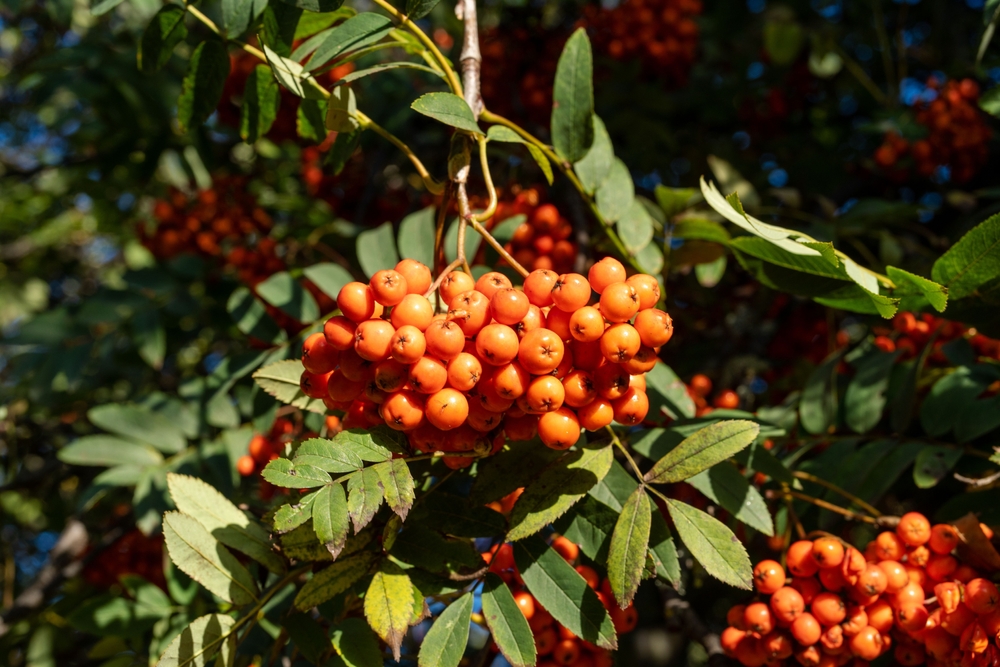
Holly, rowan, and viburnum are nature’s way of saying, “The show isn’t over.” When leaves vanish, their bright red, orange, or even deep purple berries explode against the bare backdrop. Birds love them, gardeners adore them, and suddenly your winter garden is a feast for both eyes and wildlife. The way sunlight hits these berries can create a warm glow, like little lanterns scattered among twigs and snow. Even a simple garden path becomes a magical corridor when dotted with these seasonal gems.
Grass And Groundcover Become Subtle Stars
Without leafy distractions above, your garden’s lower layers start demanding attention. Ornamental grasses sway with elegance, their plumes catching wind and light in delicate motion. Groundcovers, mosses, and low shrubs display subtle shades of green, bronze, and ochre, adding texture that most visitors overlook in summer. Fallen leaves and pine needles can even act as natural highlights, framing these plants like artwork. You’ll be amazed at how much personality lives in these quieter corners of your garden.
Fungi And Moss Reveal Hidden Drama
Autumn’s decay brings new life into focus in winter—especially in the form of fungi and moss. Mushrooms pop up in unexpected places, their shapes and colors adding eccentric charm. Moss, often ignored under summer’s hustle, becomes lush and vibrant when it’s moist and undisturbed. Together, they inject quirky, unexpected splashes of color that break up monotony. Learning to notice them turns your garden into a tiny, hidden-world adventure waiting just below the surface.
Shadows And Light Create Natural Art
When the sun filters through bare branches, your garden’s lighting transforms dramatically. Long shadows stretch across pathways and lawns, painting geometric patterns that shift with the day. Sunlight can highlight twigs, berries, and bark textures, making even the simplest elements pop. Even on dull days, the interplay of light and shadow can feel theatrical, giving depth to spaces that were once flat in summer’s glow. Observing these changes teaches you to see your garden as a dynamic, ever-changing artwork.
Autumn Leaves Leave Room For Winter Blooms
Some late-season flowers like hellebores, witch hazel, and camellias become more prominent once leaves drop. Their colors—soft pinks, muted yellows, or bold reds—stand out without leafy distractions. Even frost-dusted petals sparkle, making the garden feel festive and alive. Planting with this shift in mind can extend visual interest well into the colder months. By planning for what comes after the leaves, gardeners create a continuous story that never feels empty.
Textures Replace Color As The Main Attraction
When leaves are gone, textures steal the limelight from vibrant color. Twigs, bark, and even remaining seed heads create tactile intrigue for both the eye and the hand. Ornamental grasses, conifer needles, and rough shrub stems all contribute to a sensory feast. The interplay of soft moss, rough bark, and spiky twigs gives your garden surprising depth. Once you start noticing textures, the absence of leaves doesn’t feel like a loss—it feels like a transformation.
Celebrate Your Garden’s Hidden Winter Palette
As the leaves fall, your garden enters an unexpected phase of beauty and drama. From bark and branches to moss, berries, and winter blooms, every corner offers new visual excitement. Observing the shift in color and texture can turn a dreary winter day into a delightful exploration.
Take the time to walk slowly, notice details, and appreciate the subtle artistry that unfolds once the greenery is gone. We’d love to hear your thoughts or stories about the hidden charms of your garden—drop them in the comments section below.
You May Also Like…
How Soil Structure Shifts After Heavy Autumn Rains
Why Rodent Populations Spike in Autumn Gardens
How to Build a Lasagna Garden Before the Snow Falls
Why Fall Is the Time to Start Next Year’s Beds
The Right Way to Move Houseplants Indoors Without Losing Leaves

Brandon Marcus is a staff writer for FrugalGardening.com at District Media, Inc., where he delivers practical gardening advice with a relatable, no-nonsense style. An avid amateur gardener, he holds a BA degree and with over ten years of professional writing experience, he is also an award-winning published author whose first book, Questions For Deep Thinkers, was released by Adams Media. His work has appeared in major publications including Fandom.com, CHUD.com, TheColdWire.com, and Fansided.com.
Leave a Reply