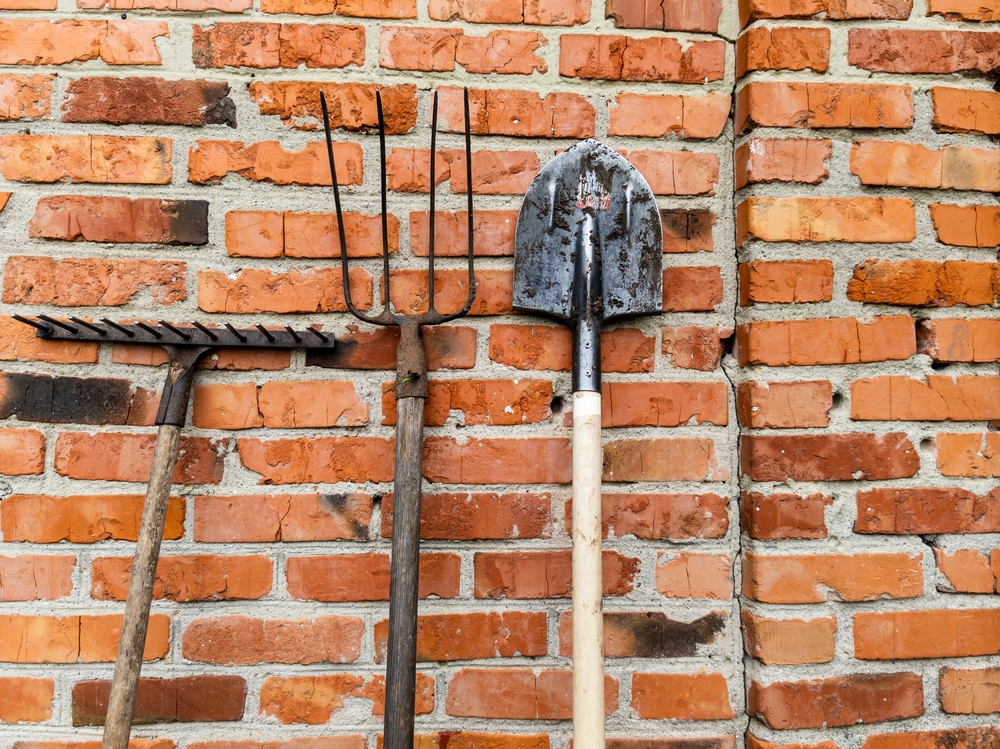
You’ve just spent a glorious afternoon wrestling your landscape into something resembling order. Your shears snipped with precision, your spade turned earth with satisfying hefts, and your hoe defeated an entire battalion of weeds. You wipe your brow, lean on your trusty tools, and call it a day. But here’s the silent drama unfolding: if you simply toss those muddy, damp champions into the shed and slam the door, you’re signing a secret pact with their two greatest enemies—rust and freeze. And they are unforgiving opponents.
This isn’t just about keeping things tidy; it’s a battle for longevity, performance, and your hard-earned gardening dollars. Let’s dive into why this off-season care is the secret weapon of savvy gardeners.
The Hidden Cost Of Neglect
Think of rust as a slow, corrosive plague for your metal tools. It starts as a tiny speck, a barely-there blemish you swear wasn’t there yesterday. Left unchecked, it spreads, pitting and weakening the metal until your once-sharp pruning blade tears stems instead of slicing them. A rusty hinge on your loppers turns a simple cut into a frustrating, two-handed struggle. This isn’t just cosmetic; it’s a functional death sentence. Replacing quality tools every few seasons is a painful and unnecessary expense. Furthermore, that rust can transfer to plant tissues, potentially introducing pathogens into fresh cuts. Ultimately, neglect silently steals the joy from your gardening by making every task harder.
Winter’s Silent Assault
While rust is a year-round foe, winter brings a special kind of menace. Any water left in nooks, crannies, or even the porous metal itself will freeze. Water expands when it freezes, and this expansion is a powerful force. It can cause microscopic cracks in tool heads, loosen handles from their ferrules, and permanently warp thin metal. That beautiful, balanced feel of your favorite shovel can be ruined in one deep freeze. The cycle of freezing and thawing throughout a season accelerates rust formation, creating a perfect storm of deterioration. Your tools essentially become casualties of the cold, emerging in spring brittle and compromised.
The Five-Minute Victory Ritual
The fantastic news is that winning this battle is incredibly simple and takes mere minutes. The key is a consistent post-gardening ritual. First, never, ever put away wet tools. Use an old towel or a stiff brush to remove all mud, sap, and plant debris. Next, give the metal parts a quick wipe with an oily rag—vegetable oil, linseed oil, or even a spray of WD-40 works perfectly. This creates a protective barrier against moisture. For wooden handles, a light sanding and a rub with boiled linseed oil once a season keeps them splinter-free and strong. Finally, store them hanging up or in a rack, not tossed in a wet heap on the floor.
Smart Storage Solutions
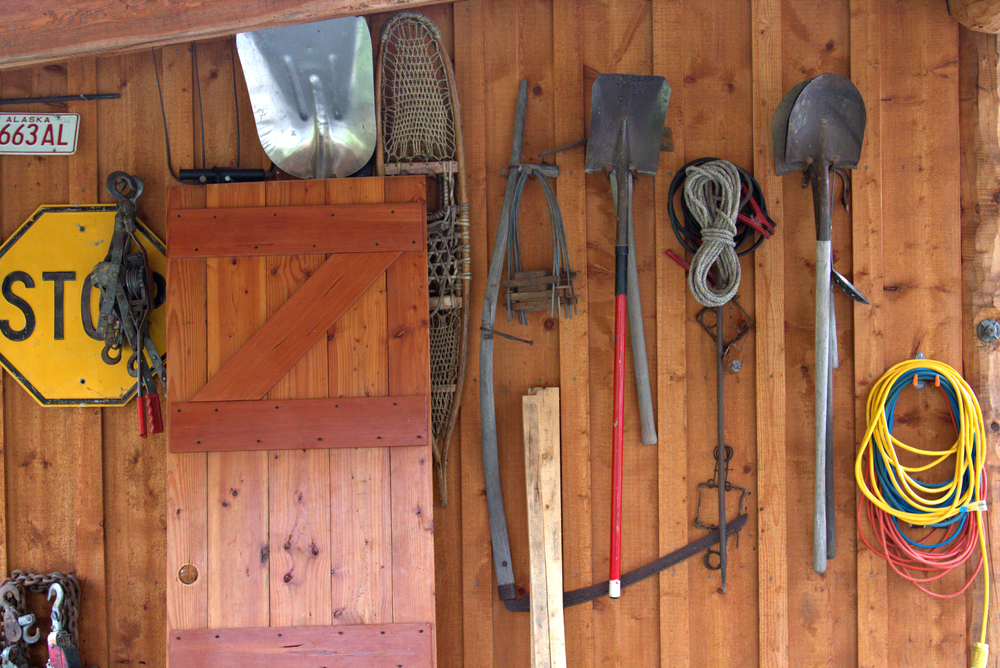
Where you stash your tools is half the battle won. A damp, uninsulated shed is a rust incubator. Aim for a dry, well-ventilated space. A simple pegboard with outlines for each tool is a game-changer; it keeps them organized, off the damp ground, and allows air to circulate. For pricier tools or in brutally humid climates, consider a moisture-absorbing product like silica gel packs in your tool chest. If you must store in an unheated space, bundle metal heads in oiled cloth or burlap sacks. The goal is to create a stable, dry microclimate that says “rust and freeze not welcome here.”
Your Future Gardening Self Will Thank You
This small investment of time pays staggering dividends. Come spring, you’ll grab a tool that feels like an extension of your arm—sharp, smooth, and ready for action. You won’t waste the first beautiful weekend sharpening, repairing, or shopping for replacements. There’s a deep satisfaction in using a well-maintained tool; the clean cut, the easy dig, the effortless slice. It transforms work into pleasure. Protecting your tools is ultimately an act of self-care for the gardener, preserving both your investment and your passion for the craft. It’s the quiet, smart habit that separates a thriving garden sanctuary from a constant chore.
Share Your Battle Stories
Now, we want to hear from you! Have you ever rescued a rusted tool from the brink with a brilliant trick? Do you have a favorite homemade tool dip or a storage hack that saved your sanity? Maybe you learned the hard way after a freeze cracked your favorite shovel! Drop your thoughts, stories, and hard-won wisdom in the comments section below. Let’s build a community of tool-preserving pros together!
You May Also Like…
Why Now Is the Time to Sharpen, Oil, and Store Your Garden Tools
10 Tools Worth Sharpening Before Winter
9 Cheap Gardening Tools to Transform Your Garden on a Budget
9 Garden Tools You’ll Use More in Fall Than Summer
8 Common Garden Tools That Could Be Illegal in Your City

Brandon Marcus is a staff writer for FrugalGardening.com at District Media, Inc., where he delivers practical gardening advice with a relatable, no-nonsense style. An avid amateur gardener, he holds a BA degree and with over ten years of professional writing experience, he is also an award-winning published author whose first book, Questions For Deep Thinkers, was released by Adams Media. His work has appeared in major publications including Fandom.com, CHUD.com, TheColdWire.com, and Fansided.com.
Leave a Reply