Winter might make your garden look sleepy, but your tools are wide awake—and judging you. Right now, in sheds and garages everywhere, metal is quietly rusting, hinges are stiffening, and wooden handles are drying out like forgotten toast.
This is the exact moment when gardeners who stay ahead of the game quietly set themselves up for a glorious spring, while everyone else wonders why their shovel feels like it’s fighting back. A little oil today can mean years of extra life for your favorite tools, and sometimes the honest answer is to say goodbye and start fresh.
1. Pruning Shears
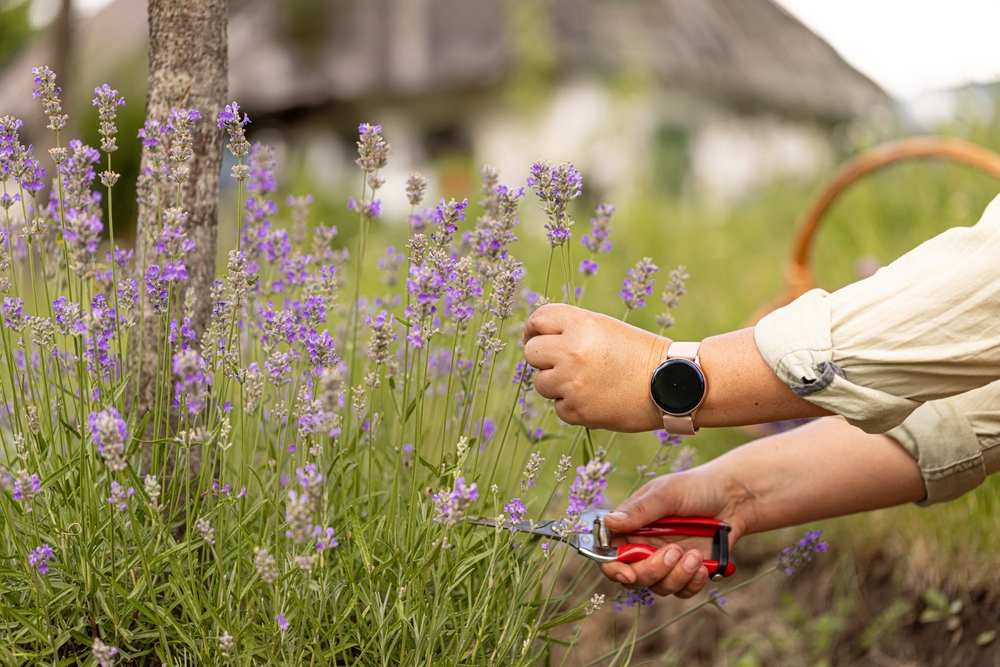
Pruning shears are the divas of the garden tool world. They demand care, attention, and the occasional spa treatment, or they turn dull, stiff, and cranky. If your shears squeak, resist opening smoothly, or leave ragged cuts on branches, oiling the pivot point and blades should be your first move. Clean off sap and grime, apply a light machine oil, and work the blades back and forth until they feel buttery again. Sharp, oiled shears protect plant health by making clean cuts that heal faster. If the blades are nicked beyond sharpening or the spring feels weak and uneven, replacement may be the smarter option. Your wrists—and your plants—will thank you.
2. Loppers
Loppers handle the heavy lifting that pruning shears can’t, which means they take a serious beating. Those long handles put extra stress on the pivot bolt, making lubrication essential. Oil reduces friction and helps maintain cutting power without forcing you to muscle through every branch. Check the blades closely for rust pitting, which can spread quickly once spring moisture arrives. Wooden handles deserve oil too, especially if they look dry or splintered. If the blades wobble even after tightening or the handles feel cracked, it’s time to upgrade before a branch fight ends badly.
3. Shovels
Shovels are deceptively simple, but they suffer silently through wet soil, frozen ground, and being left outside “just overnight.” A thin coat of oil on the metal blade prevents rust and helps soil slide off more easily when you dig. Pay attention to where the blade meets the handle, as rust often starts there first. Wooden handles benefit from linseed oil to prevent cracking and drying. If the blade edge is severely warped or the handle feels loose no matter how much tightening you do, replacement is safer than risking a mid-dig snap.
4. Garden Hoes
Hoes live a rough life scraping, chopping, and scraping some more. Over time, rust builds up and edges dull, turning an efficient tool into a frustrating one. Oiling the metal head after cleaning helps stop corrosion in its tracks. A lightly oiled hoe also glides through soil more smoothly, saving energy during long weeding sessions. Inspect the socket where the handle fits, since this area often hides cracks. If the head wiggles or the metal is thinning from rust, don’t wait until spring weeds take over—replace it now.
5. Hand Trowels
Hand trowels are small but mighty, and because they’re small, they’re often neglected. Soil stuck on the blade traps moisture and encourages rust all winter long. Cleaning and oiling the blade keeps it strong and sharp for transplanting season. Check the handle connection closely, as cheap trowels tend to loosen here first. Ergonomic grips can crack or harden with age, making them uncomfortable to use. If the blade bends easily or the handle twists in your hand, it’s time to invest in a sturdier model.
6. Hedge Trimmers
Manual hedge trimmers rely on smooth blade movement to create clean, even lines. Without oil, they quickly become stiff and uneven, forcing you to hack rather than trim. Apply oil along the blades and at the pivot, then wipe off the excess to prevent dust buildup. Dull blades tear leaves instead of cutting them, which can stress shrubs. If sharpening no longer restores performance or the blades don’t align properly, replacement is the safest and most satisfying option. A smooth trimmer makes shaping hedges oddly addictive.
7. Rakes
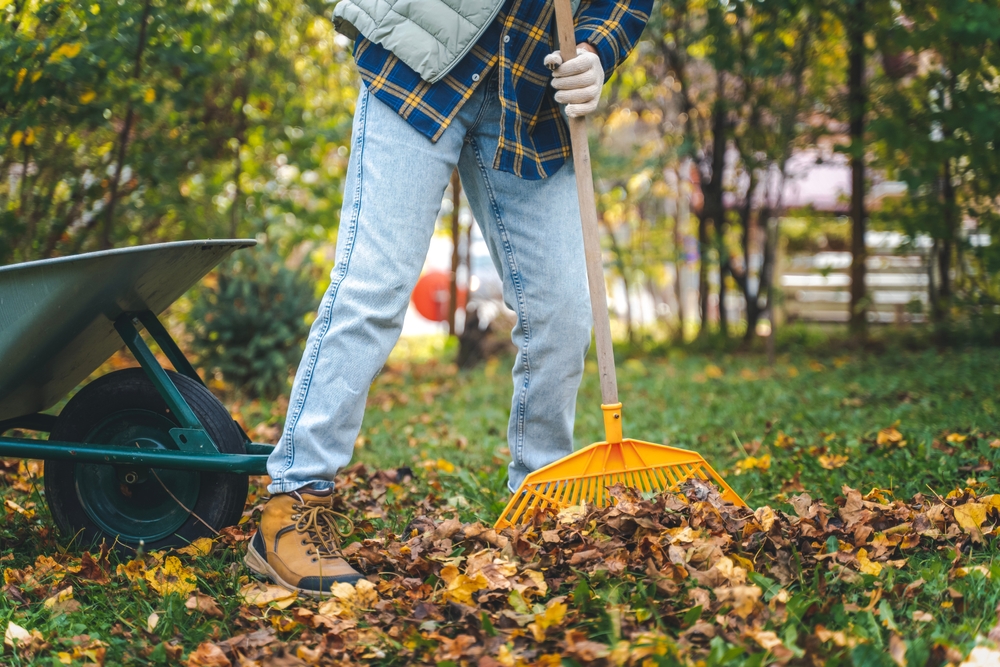
Rakes may look indestructible, but their tines tell a different story. Metal rakes benefit from light oiling to prevent rust and keep soil from sticking. Flexible leaf rakes should be inspected for cracked or missing tines that reduce efficiency. Handles, especially wooden ones, should be oiled to prevent splintering. A rake that flexes unevenly or drops tines constantly will only slow you down. Spring cleanup is hard enough without fighting a faulty rake.
8. Wheelbarrows
Wheelbarrows are the unsung heroes of the garden, hauling everything from mulch to regretfully heavy rocks. Oil the wheel axle to keep it rolling smoothly and prevent squeaking that drives everyone within earshot insane. Check the metal tray for rust spots and treat them early. Wooden handles benefit from oil to prevent cracking under load. If the wheel wobbles excessively or the tray has rust holes, replacement may be cheaper than ongoing repairs. A smooth-rolling wheelbarrow saves your back and your patience.
9. Garden Forks
Garden forks face constant pressure as they pry, lift, and loosen compacted soil. Oiling the metal tines helps prevent rust and keeps soil from clinging stubbornly. Inspect the tines for bending or cracking, especially near the base. Handles should feel solid and smooth, not dry or splintered. A fork that flexes under pressure is a warning sign, not a challenge. Replace compromised forks before spring digging season begins in earnest.
Give Your Tools A Fighting Chance
A little oil now can mean smoother work, healthier plants, and fewer mid-season meltdowns when tools fail at the worst possible moment. Taking time to inspect, clean, and maintain your gear is one of the most underrated gardening skills there is. Sometimes the right call is letting go of a worn-out tool and welcoming a better replacement. Either way, these small decisions ripple through your entire growing season.
Feel free to drop your own maintenance habits or memorable tool disasters in the comments below—we all learn from each other’s dirt-earned wisdom.
You May Also Like…
7 Garden Tools Worth Buying Used Instead of New
5 Weirdly Useful Garden Tools You’ll End Up Using Every Day
How To Keep Your Garden Tools Organized When Snow Hits
Protecting Garden Tools from Rust and Freeze Is More Important Than You Think
Why Now Is the Time to Sharpen, Oil, and Store Your Garden Tools

Brandon Marcus is a staff writer for FrugalGardening.com at District Media, Inc., where he delivers practical gardening advice with a relatable, no-nonsense style. An avid amateur gardener, he holds a BA degree and with over ten years of professional writing experience, he is also an award-winning published author whose first book, Questions For Deep Thinkers, was released by Adams Media. His work has appeared in major publications including Fandom.com, CHUD.com, TheColdWire.com, and Fansided.com.
Leave a Reply