Gardening is supposed to be relaxing, satisfying, and—ideally—kind to your wallet. Yet somehow, gardeners everywhere end up spending more than they planned, buried under bags of soil, overpriced tools, and plants that never quite take off.
What if the reason your garden is draining your bank account isn’t bad luck, but simple, avoidable mistakes? From impulsive purchases to overwatering disasters, these sneaky pitfalls are silently sabotaging your garden budget.
1. Buying Too Many Plants At Once
It’s easy to fall for the “cute seedling” trap at the garden center. You see a display of colorful flowers or exotic vegetables and suddenly your cart is overflowing. Buying too many plants at once not only strains your wallet, but it can also overwhelm your garden space. Plants that are crowded won’t thrive, which may lead to replacement purchases later. Sticking to a plan and buying gradually ensures every plant gets the care it deserves and reduces unnecessary spending.
2. Ignoring Soil Health
No amount of fertilizer or fancy plant food can fix poor soil. When gardeners skip soil testing, they often buy expensive amendments that may not even address the real problem. Healthy soil is the foundation of a thriving garden, and improving it saves money in the long run. Composting, mulching, and proper pH adjustments are cheaper than constantly buying corrective products. Investing in soil health upfront prevents a cascade of future expenses on struggling plants.
3. Overwatering Or Underwatering
Watering mistakes are surprisingly costly. Overwatering can drown plants and invite diseases, while underwatering leaves them stunted and weak. Each failed plant might lead to buying replacements, doubling your budget without realizing it. Investing in a simple watering schedule or a drip irrigation system is far cheaper than replacing a garden full of unhappy plants. Monitoring soil moisture keeps plants healthy and your wallet intact.
4. Buying Cheap Tools That Break
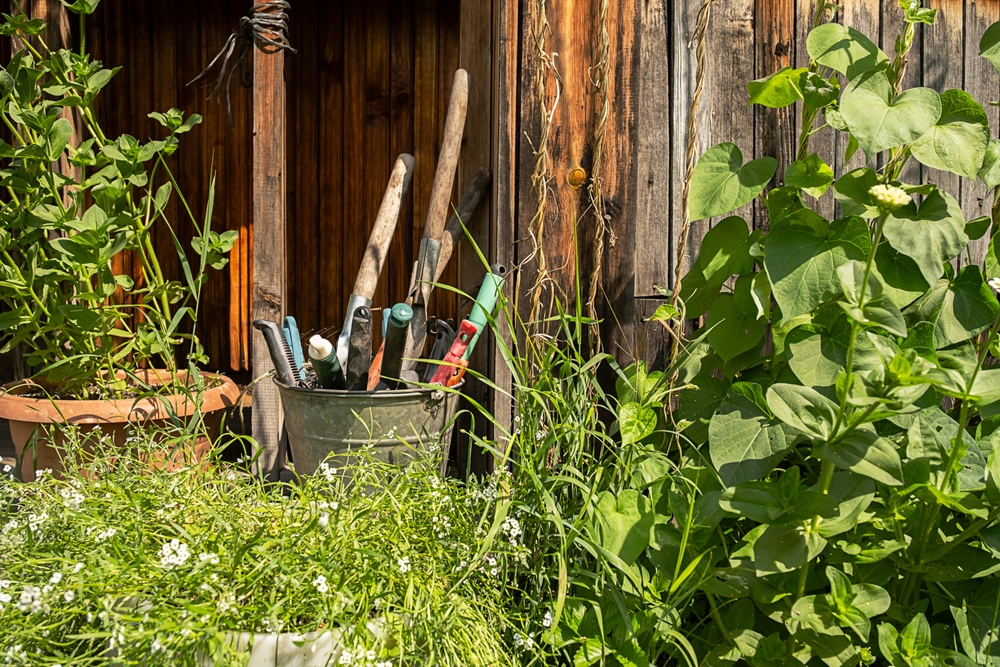
Saving a few dollars on a spade or pruning shears seems smart—until they snap mid-season. Low-quality tools can turn simple tasks into frustrating chores, sometimes damaging plants in the process. Frequent replacements quickly add up, costing far more than investing in durable, reliable tools from the start. High-quality tools not only last longer but make gardening easier and more efficient. Think of it as an upfront investment that keeps your garden thriving and your expenses low.
5. Not Planning For Seasonal Changes
Many gardeners plant enthusiastically in spring without considering the seasons ahead. This can result in dead or struggling plants during summer heat or winter frost, forcing costly replacements. Planning for seasonality allows you to choose the right plants at the right time, reducing waste and extra spending. Rotating crops and selecting resilient varieties help gardens flourish year-round. Understanding the calendar is a surprisingly effective way to cut costs.
6. Skipping Pest And Disease Prevention
Ignoring pests might feel like saving money, but it almost always backfires. Unchecked insects, fungi, or other pests can decimate plants, requiring expensive treatments or replacements. Preventative measures like companion planting, natural sprays, or row covers are much cheaper than reactive solutions. Regular monitoring helps catch problems early before they become budget-busting disasters. Smart prevention protects both plants and your financial sanity.
7. Overcomplicating Garden Design
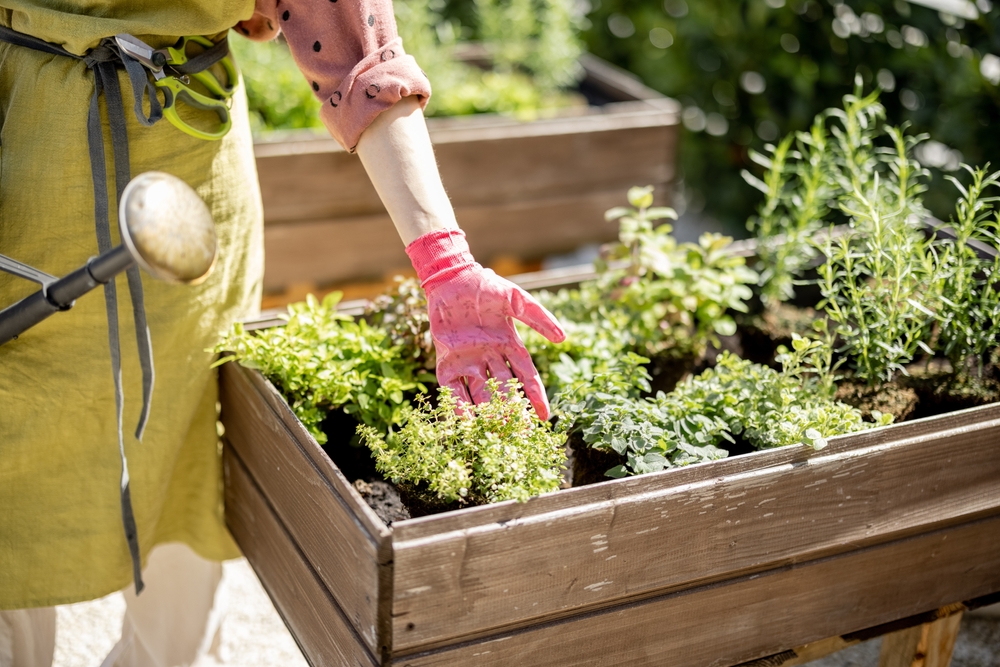
A backyard full of exotic structures, complex beds, and high-maintenance features looks beautiful, but it’s often a money pit. Overcomplicated designs can require more materials, more water, and more labor than simple, practical layouts. Keeping things functional and achievable saves money and stress. Creative solutions like raised beds or modular plots balance aesthetics and cost. Sometimes, less really is more—both for beauty and your bank account.
8. Relying Only On Store-Bought Seeds And Plants
It’s tempting to buy every seed packet and nursery plant you see, but propagating your own plants saves huge amounts over time. Cuttings, seedlings, and saving seeds from successful plants allow your garden to expand without extra cost. Plus, you can select varieties that are best suited to your garden’s unique conditions. Learning propagation techniques is an investment in both knowledge and savings. The more you grow from your own resources, the less you spend chasing every new plant trend.
9. Ignoring Garden Maintenance
Even small neglect can become a big expense. Failing to prune, weed, or mulch regularly leads to overgrown, unhealthy gardens. This often results in replacing plants, using more fertilizer, or hiring help—none of which is cheap. Consistent, simple maintenance keeps plants healthy and reduces costly surprises. Treat your garden like a living budget: attention now prevents big costs later.
Avoid These Pitfalls And Save
Gardening is one of life’s greatest pleasures, but it doesn’t have to break the bank. By avoiding these nine mistakes—overbuying, neglecting soil, mismanaging water, buying flimsy tools, skipping seasonal planning, ignoring pests, overcomplicating design, relying solely on store-bought plants, and neglecting maintenance—you can create a thriving garden that’s both beautiful and budget-friendly. Every small choice adds up, and a little planning and care today keeps your wallet happy tomorrow.
Let us know your thoughts or experiences in the comments section below; your story might help another gardener grow smarter, not pricier.
You May Also Like…
7 Garden Layout Ideas That Fix Common Mistakes Instantly
5 Winter Prep Mistakes Gardeners Always Regret
6 Common Mistakes When Raking Leaves
The Lawn Mistake Everyone Makes Right Before Winter
How to Redesign Your Bulb Garden After This Year’s Mistakes

Brandon Marcus is a staff writer for FrugalGardening.com at District Media, Inc., where he delivers practical gardening advice with a relatable, no-nonsense style. An avid amateur gardener, he holds a BA degree and with over ten years of professional writing experience, he is also an award-winning published author whose first book, Questions For Deep Thinkers, was released by Adams Media. His work has appeared in major publications including Fandom.com, CHUD.com, TheColdWire.com, and Fansided.com.
Leave a Reply