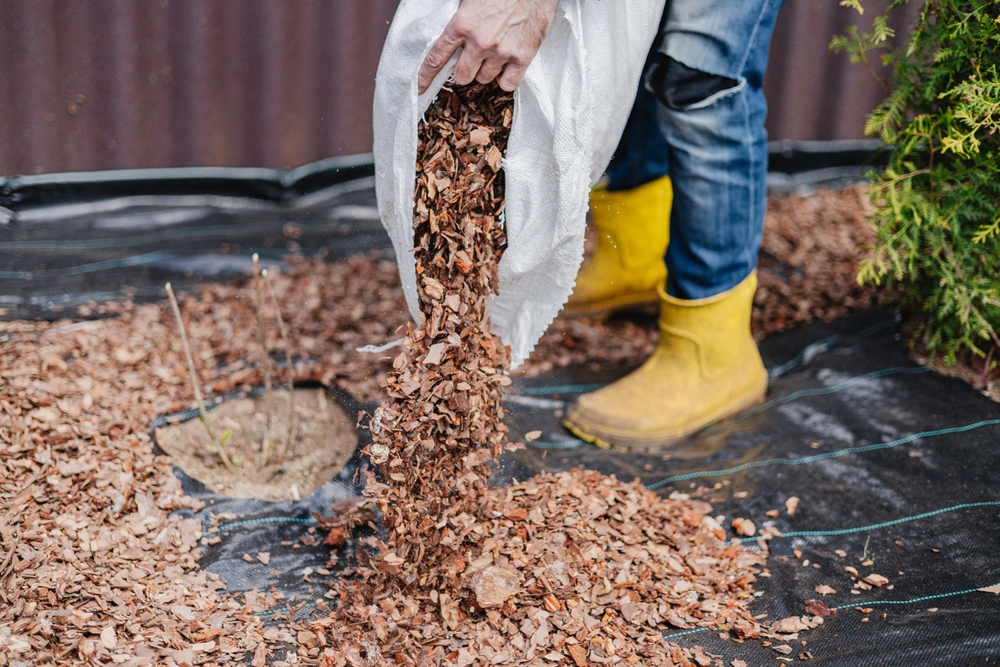
Late summer can make a garden look a little parched around the edges, and fresh mulch can help without making the garden budget groan. Fortunately, gardeners do not always need to visit a garden center and pay for a stack of neatly bagged material. Tree crews, municipalities, neighbors, compost sites, and even the lawn mower can provide useful mulch if gardeners know what to look for.
Free mulch also comes with an important bonus: it often consists of materials that someone else already considers a waste product. Arborist wood chips, shredded leaves, grass clippings, and finished compost can all put organic matter back into the landscape while helping conserve soil moisture and suppress weeds. The trick involves finding the right material, checking its source, and using it correctly once it reaches the garden.
Start With Tree Crews and Arborists
Late summer creates plenty of opportunities to find arborist wood chips because tree-care companies and utility crews routinely cut, prune, and remove trees. A quick call to local tree companies can sometimes produce a surprisingly simple answer: yes, they have chips and would love to drop them somewhere useful instead of hauling them away. Municipal tree crews and yard-waste facilities can offer another source, and some communities provide free chips to residents.
Arborist chips make especially good mulch around trees, shrubs, perennial beds, and garden paths because their coarse texture allows air and water to move through the layer. They also contain a mixture of wood and leaves, which breaks down over time and adds organic matter to the soil. Before accepting a load, ask where the material came from and whether the crew removed diseased trees or trees affected by invasive pests. A giant pile of free mulch stops looking like a bargain if it introduces a plant problem into the yard.
Check the Municipal Yard-Waste Site
The local yard-waste facility deserves a spot near the top of the free-mulch hunting list. Some municipalities collect branches, leaves, and other organic debris, process the material, and make wood chips or compost available to residents. Illinois Extension notes that many municipal sites offer arborist chips for free, although availability and pickup rules vary from one community to another.
A municipal site can also provide finished compost, which serves a different purpose from coarse wood chips. Compost works particularly well when gardeners want to improve soil and add organic matter, while wood chips work beautifully as a surface mulch around established trees, shrubs, and perennial plantings. Late summer makes a good time to check because a fresh supply may appear after storms, pruning projects, or community cleanup work. Call before loading the vehicle because some facilities restrict quantities, require proof of residency, or offer different materials on different days.
Ask About Fresh Grass Clippings
The humble lawn can produce free mulch without a truck, a tree crew, or a heroic wheelbarrow expedition. Grass clippings work well in vegetable gardens when gardeners spread them in thin layers rather than dumping a thick, wet mat around plants.
The source matters just as much as the material itself, particularly when edible crops grow nearby. Avoid clippings from lawns treated recently with herbicides, and do not assume a neighbor’s beautiful green lawn equals garden-safe material. Grass clippings can knit together when gardeners pile them too deeply, which can restrict air movement and create a soggy layer. A thin layer that dries between additions works far better than creating a miniature hay bale beside the tomatoes.
Keep an Eye Out for Free Leaves
Late summer may not deliver the biggest leaf harvest, but gardeners can still start planning for the mother lode that arrives later. Neighbors who maintain large deciduous trees often have more leaves than they know what to do with, and a friendly conversation can turn those future bags of yard waste into useful garden material. Shredded leaves make excellent organic mulch and gradually add organic matter as they decompose.
The smart move involves asking early rather than waiting until every curbside pile disappears. A mower or leaf shredder can chop leaves into smaller pieces, reducing their tendency to form a dense layer. Gardeners can then use the shredded material around perennial beds, beneath shrubs, or in vegetable areas where appropriate. Just remember that free does not mean unlimited, and a mountain of leaves should not bury plant crowns or smother small plants.
Know Where Free Mulch Does Not Belong
A free pile deserves inspection before it gets anywhere near the garden. Wood chips from unknown tree removals can contain material from diseased trees or trees associated with invasive insects, so gardeners should ask about the source rather than accepting every mysterious mountain of chips. The same caution applies to grass clippings when lawn treatments may have involved herbicides.
Application matters, too, because even excellent mulch can cause trouble when gardeners pile it against plant stems or tree trunks. Keep organic mulch away from trunks and stems, and maintain a loose, even layer instead of creating the dreaded mulch volcano. Around trees and shrubs, a few inches usually provides useful coverage, while vegetable beds often need a thinner material suited to the crop.
Make the Free-Mulch Hunt Pay Off
Late summer offers a surprisingly good window for finding mulch because tree crews, municipalities, neighbors, and lawns can all produce useful organic material. The best sources usually cost nothing beyond a phone call, a pickup trip, or some honest shoveling. Arborist chips rank among the most useful finds for established landscape plants, while clean grass clippings and shredded leaves can serve vegetable and perennial gardens in the right circumstances.
Before accepting anything, check the source and think about where the material will go. Keep wood mulch away from trunks and stems, avoid questionable chips from diseased trees, and skip grass clippings when recent herbicide use creates uncertainty. A little caution turns a free pile of yard debris into one of the garden’s most useful resources, and late summer is certainly not too late to start looking.
What is the best free mulch source in your area, and have you ever scored an unexpectedly huge load of wood chips, compost, or leaves?
You May Also Like…
Can Reflective Mulch Improve Harvests in Small Vegetable Beds?
7 Common Mulching Mistakes That Kill Plants Fast
The Cheap Mulch Materials That Can Damage Plants or Soil
Why Mulch Is Essential for Retaining Soil Moisture
8 Garden Materials to Stock Up on When Stores Clear Summer Shelves

Brandon Marcus is a staff writer for FrugalGardening.com at District Media, Inc., where he delivers practical gardening advice with a relatable, no-nonsense style. An avid amateur gardener, he holds a BA degree and with over ten years of professional writing experience, he is also an award-winning published author whose first book, Questions For Deep Thinkers, was released by Adams Media. His work has appeared in major publications including Fandom.com, CHUD.com, TheColdWire.com, and Fansided.com.
Leave a Reply