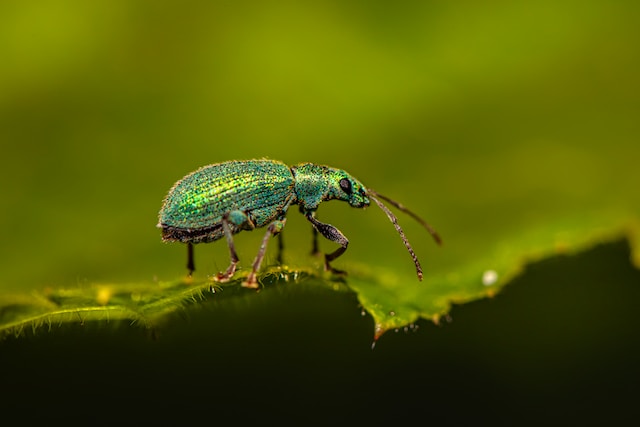
I have a friend who has a pest guy. She calls this guy every time that she finds a bug. Naturally, he’s very helpful. However, hiring a pest control agency can be quite pricy. Therefore, it would be helpful for her to identify the most common plant pests and how to control them. In fact, it’s good advice for all of us.
Top 9 Common Plant Pests and How To Control Them
Notably, the most common plant pests can vary from region to region. This depends on a variety of factors, including:
- climate
- growing conditions
- types of plants grown in a given area
- impact of agriculture, urbanization and international trade on an area
For example, in regions with warm and humid climates, pests such as spider mites and thrips may be more common. In contrast, pests such as scale insects and mealybugs may be more prevalent in colder regions.
Regardless of the region, however, some pests are more commonly encountered than others. Aphids and whiteflies are good examples. As such, it is important for indoor and outdoor growers alike to be aware of common plant pests and how to control them.
So, with that in mind, here are the nine most common plant pests and how to control them. I’ve tried to include the most effective ways to control them as well as some of the most inexpensive options.
Aphids
Aphids are tiny insects that suck the sap from plant leaves. This causes the leaves to wilt and yellow. That is one of the most obvious signs that you might have aphids.
A simple and inexpensive way to control aphids is to make a DIY insecticidal soap using a mixture of water and dish soap. Alternatively, you can actually just use a strong stream of water to knock them off the plant when you see them.
Spider Mites
Spider mites are tiny arachnids that also suck the sap from plant leaves.
A simple and inexpensive way to control spider mites is to regularly mist your plants with water to increase humidity, which can deter spider mites.
You can also use the same DIY insecticidal soap recommended for aphids to control spider mites.
Whiteflies
Whiteflies are small, flying insects that are bad for many plants.
To control whiteflies, you can use that same insecticidal soap. You can also use neem oil for these or the aforementioned posts.
However, you might want to try stick traps for flying pests like whiteflies. You can make a cheap sticky trap using yellow index cards coated with petroleum jelly. Place around your plants and catch those whiteflies.
Mealybugs
Mealybugs are soft-bodied insects that produce a white, waxy substance that protects them from predators. They, in turn, come after your plants.
An inexpensive way to control mealybugs is to dip a cotton swab in rubbing alcohol and use it to wipe off the bugs. This will kill them.
Scale Insects
Scale insects are small, flat insects that attach themselves to plant leaves and stems.
Like with aphids, you can use insecticidal soap, neem oil, or a strong stream of water to knock them off of your plants. In fact, keep this tip in your back pocket as a go to for the most common plant pests and how to control them.
You might also control scale insects by using a toothbrush or cotton swab dipped in rubbing alcohol to remove them from your plants.
Thrips
Thrips are tiny insects that feed on plant leaves, causing them to turn silver or bronze. If you see your plant leaves turning these unusual colors, then you should suspect thrips. They also spread plant diseases. Therefore, you want to get them under control quickly.
To control thrips, you can use insecticidal soap, neem oil, or sticky traps to catch them.
Fungus Gnats
Fungus gnats are small flying insects that feed on plant roots and can cause root damage and plant wilting.
To control fungus gnats, you can use sticky traps. Alternatively, you might want to try using nematodes. These are microscopic worms that feed on fungus gnat larvae. Although they aren’t useful for all of the most common pests and how to control them, they’re great for this particular pest.
Another option is to let the soil dry out between watering, as fungus gnats prefer moist soil. Of course, whether or not this is good for your garden depends a lot on the plants you have. Some will obviously not like dry soil.
Caterpillars
Caterpillars are the larvae of moths and butterflies. Notoriously, they can feed on plant leaves, causing significant damage.
To control caterpillars, you can use Bt (Bacillus thuringiensis), a natural bacteria that kills caterpillars.
Of course, you could also just handpick them off the plant and dispose of them.
Snails and Slugs
Snails and slugs are mollusks that feed on plant leaves, leaving behind holes and chewed edges.
To control snails and slugs, you can use diatomaceous earth or copper tape to create a barrier around the plant.
Another effective and inexpensive way to control snails and slugs is to use crushed eggshells or coffee grounds around the base of the plant, as these materials create a barrier that snails and slugs won’t cross. Whether or not this is effective is up for debate among gardeners. However, it’s easy enough and cheap enough that it’s worth a try.
Preventing vs. Controlling Common Plant Pests
That last point about creating a barrier around your plants for snail control brings up a great point. There’s pest control and then there’s pest prevention. That would actually be a form of prevention. Obviously, prevention is better than developing a pest problem that you have to control.
Pest prevention also includes:
- regularly cleaning and sanitizing gardening tools and pots
- inspecting new plants for signs of pests or diseases before bringing them indoors
- avoiding over-fertilization or over-watering, which can weaken plants and make them more susceptible to pests.
- choosing pest-resistant plant varieties
- planting companion plants that deter pests
- using physical barriers such as row covers or netting to keep pests away from plants
Pest prevention is often the most effective and environmentally-friendly approach. It obviously avoids the need for chemical interventions. However, even with good prevention practices in place, some pest problems may still arise. That’s when you need to consider options to control them like those we’ve shared here.
Read More:
- How to Battle Garden Pests Cheaply and Naturally
- Maintaining a Garden to Keep Your Indoors and Outdoors Clean
- Frugal Ways to Clean and Disinfect Your Garden Tools

Kathryn Vercillo is a long time writer, crafter and author of several books. A resident of San Francisco, she is committed to helping others explore, articulate and share their own individuals stories. When she’s not evaluating investing opportunities Kathryn is an avid knitter, researcher, and blogger.
Leave a Reply