
A rake leaning in the wrong corner can send someone to the emergency room. A gas can shoved next to a lawnmower can turn a simple spark into a garage fire. Fire departments across the country keep responding to accidents that start the same way: tools tossed into garages and sheds without a second thought.
The problem sounds harmless, even boring. After all, who worries about a shovel or a hedge trimmer once the yard work ends? Yet fire officials consistently warn that careless storage of garden tools and equipment leads to preventable injuries and fires every year. The habit feels small. The consequences rarely do.
1. The Pile-It-and-Forget-It Problem
Many homeowners treat the garage or shed like a catch-all zone. Long-handled tools stack in a corner. Power equipment sits wherever it fits. Gasoline containers slide against the wall near the mower. Extension cords snake across the floor. This “pile it and forget it” approach creates real hazards.
Fire departments frequently point to improper storage of flammable liquids as a serious risk. Gasoline vapors ignite easily, and even a small spark from a water heater, electrical outlet, or power tool can trigger a fire. Fires involving flammable or combustible liquids cause thousands of structure fires in the United States each year. When homeowners store fuel in unapproved containers or leave it near ignition sources, they increase that risk dramatically.
Clutter adds another layer of danger. Tools scattered on the floor create trip hazards. In an emergency, blocked walkways slow escape. Firefighters entering a smoke-filled garage or shed face obstacles that waste precious seconds. Organization does not just look tidy; it directly supports safety.
2. Gas Cans and Mowers: A Risky Relationship
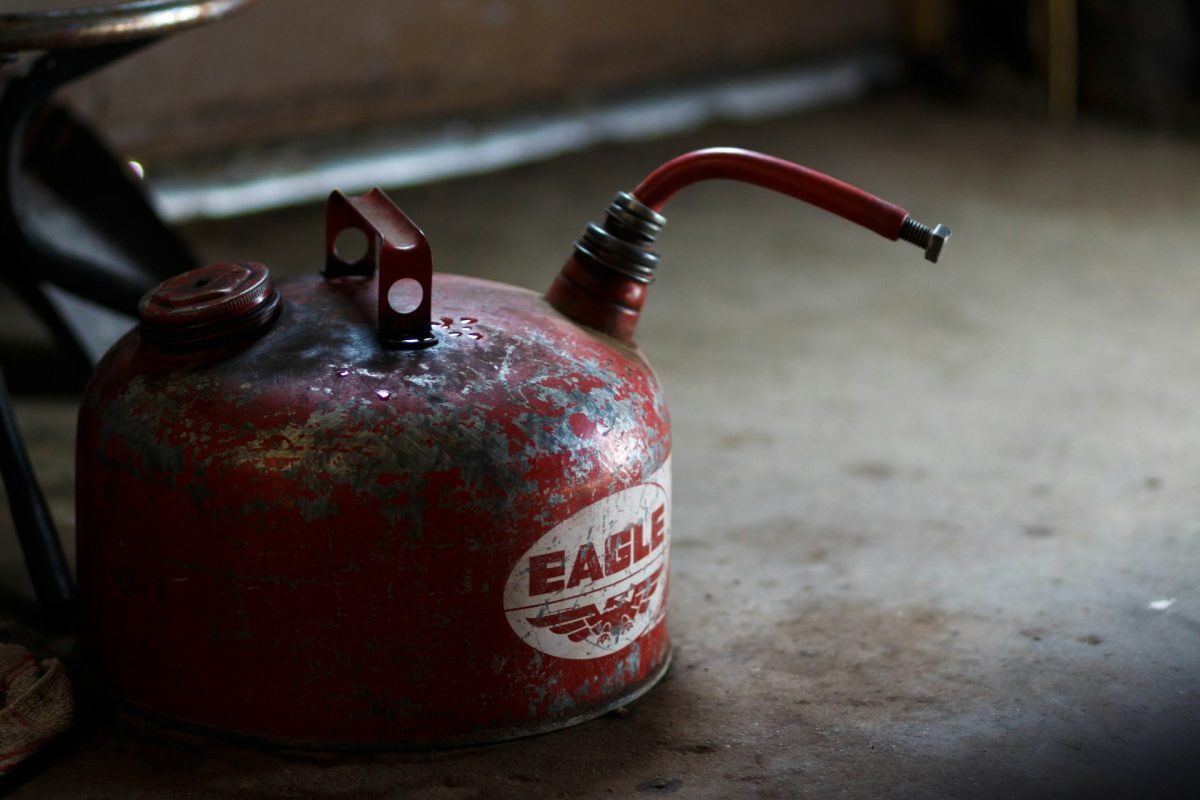
Gas-powered lawn mowers, trimmers, and leaf blowers still dominate many garages. While these machines serve their purpose well, they demand careful handling. Fire officials routinely stress that gasoline must stay in approved containers with tight-fitting caps, stored away from living spaces and ignition sources.
Storing a gas can right next to a mower seems convenient. It also invites trouble. Vapors escape even from closed containers, especially in hot weather. A pilot light in a nearby appliance or a spark from plugging in a charger can ignite those vapors. Garages often house water heaters, freezers, or other appliances that cycle on and off, creating ignition points without warning.
Smart storage means keeping fuel in a cool, well-ventilated area, ideally in a detached shed rather than an attached garage. It also means limiting the amount stored. Buying only what the season requires reduces the volume of flammable liquid sitting on the property. That simple change can dramatically cut fire risk.
3. Lithium-Ion Batteries: The New Kid With a Temper
Battery-powered yard tools have exploded in popularity, and for good reason. They run quieter, produce no exhaust, and eliminate the need for gasoline. However, lithium-ion batteries carry their own hazards if mishandled.
Many local fire departments warn that damaged or improperly charged lithium-ion batteries can overheat and ignite. Storing batteries in extremely hot garages, leaving them on chargers indefinitely, or using incompatible chargers increases the risk. Fires involving lithium-ion batteries burn intensely and spread quickly.
Proper storage involves keeping batteries at room temperature, away from direct sunlight and flammable materials. Charging should take place on a hard, noncombustible surface, not on a pile of cardboard boxes or near paint cans. Once fully charged, batteries should come off the charger. Inspecting batteries for swelling, cracking, or damage before use also helps prevent a dangerous situation from escalating.
4. Blades, Points, and Gravity: Injury Happens Fast
Fire departments respond to more than fires linked to garden tool storage. They also see a steady stream of injuries from tools that fall, tip, or lie hidden under clutter. A rake with tines facing up can puncture skin. A heavy shovel leaning unsecured against a wall can topple onto a child or pet. Hedge trimmers left on low shelves invite curious hands.
Wall-mounted racks or pegboards offer a simple fix. Securing long-handled tools vertically prevents tipping and frees up floor space. Placing sharp tools out of reach and covering blades with protective sheaths adds another layer of protection. Even basic habits, like turning tool heads inward on a rack, reduce the chance of accidental contact.
Garage floors should stay as clear as possible. Clear walking paths reduce trips and falls, especially when carrying heavy equipment. In an emergency, a clear path allows quick exit without stumbling over a hoe or tangled cord.
5. Extension Cords and Overloaded Outlets
Garden tool storage often includes electrical clutter. Chargers for battery packs, extension cords for trimmers, and power strips for various tools can overload outlets if handled carelessly. Fire departments routinely caution against daisy-chaining power strips or using indoor-rated extension cords in damp garage environments.
Overloaded circuits generate heat. Damaged cords with frayed insulation expose wiring that can spark. Storing cords in tight knots or under heavy objects weakens the internal wires over time. A single spark in a cluttered, fuel-filled garage can cause catastrophic damage.
Safer habits include unplugging chargers when not in use, using heavy-duty cords rated for outdoor or garage conditions, and inspecting cords regularly for wear. Power strips should plug directly into wall outlets, never into another strip. These practices require only a few minutes but drastically reduce fire risk.
What Fire Officials Want Homeowners to Change Now
Fire departments consistently emphasize prevention over response. They want homeowners to treat garages and sheds as part of the home’s safety system, not as dumping grounds. That means thinking intentionally about storage layout, fuel management, and electrical use.
Start by clearing out unnecessary clutter. Donate or discard broken tools rather than stacking them in a corner. Install wall racks for long-handled tools. Store gasoline in approved containers, away from ignition sources, and never inside living spaces. Keep lithium-ion batteries cool, dry, and off the charger once fully powered.
Regularly walk through the garage or shed with a critical eye. Identify trip hazards. Look for overloaded outlets. Check for damaged cords or leaking fuel containers. These quick inspections catch small problems before they turn into emergency calls.
A Safer Garage Starts With One Decision
Fire departments respond to chaos after it erupts. They also see the patterns that lead to that chaos. A cluttered corner, an overfilled gas can, a battery left charging for days—these choices stack up. They transform an ordinary storage space into a hazard zone.
Changing course does not require a full renovation or expensive storage system. It requires awareness and follow-through. Secure tools off the floor. Store fuel properly. Respect the power packed inside modern batteries. Create clear pathways and reduce clutter.
What adjustments will take place in your garage or shed this season to make it safer than ever? Let’s talk about it in the comments.
You May Also Like…
Why Your Garden Shed Could Be Harboring Toxic Mold This Winter
The Forgotten Garden Tool That’s Causing Electrical Fires in Sheds
Fire Officials Say This Garden Tool Storage Mistake Is Causing Dangerous Shed Fires
8 Garden Sheds You Should Insure for the Winter Months
How to Catch Hidden Pests Before They Invade Your Shed This Winter

Brandon Marcus is a staff writer for FrugalGardening.com at District Media, Inc., where he delivers practical gardening advice with a relatable, no-nonsense style. An avid amateur gardener, he holds a BA degree and with over ten years of professional writing experience, he is also an award-winning published author whose first book, Questions For Deep Thinkers, was released by Adams Media. His work has appeared in major publications including Fandom.com, CHUD.com, TheColdWire.com, and Fansided.com.
Leave a Reply