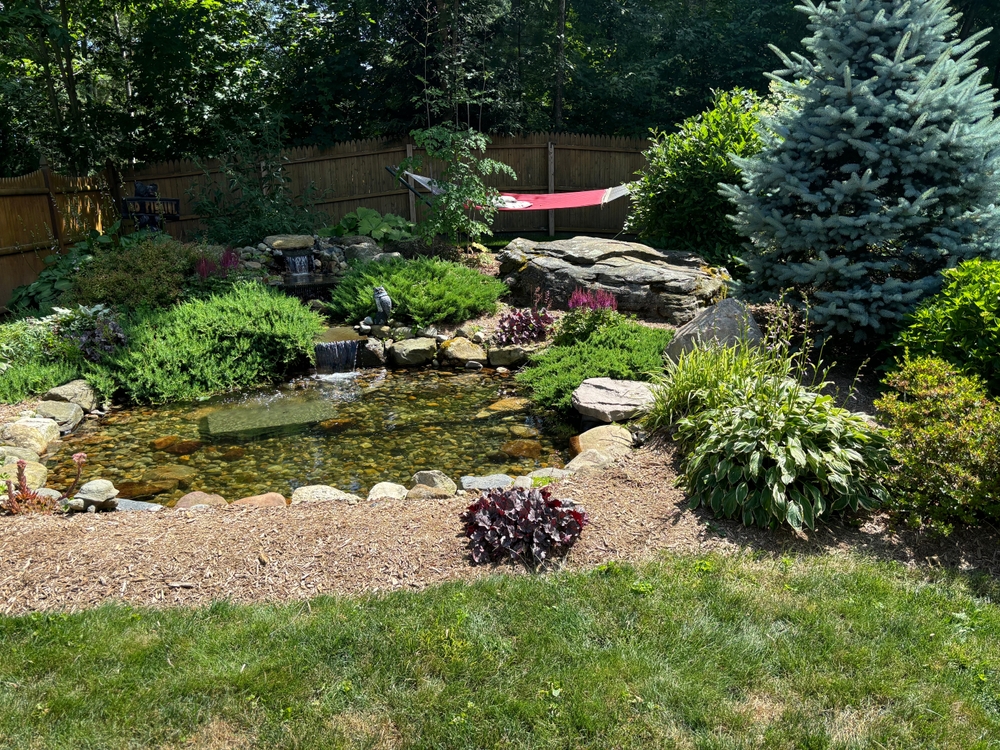
Small wildlife ponds have quietly become one of the most rewarding additions to modern gardens. They do far more than add a pretty reflection to the landscape. Even a pond no larger than a child’s sandbox can invite frogs, dragonflies, birds, and countless beneficial creatures into the yard while creating a peaceful focal point that changes with every season.
Gardeners once believed that ponds required sprawling properties, expensive equipment, and constant maintenance. Today’s wildlife ponds prove the opposite. A carefully designed shallow pond with native plants and clean water can become a miniature ecosystem that practically tells a new story every day. The growing interest comes from a simple idea. People want gardens that feel alive instead of perfectly polished.
1. Small Ponds Bring Wildlife Within Days
One of the biggest surprises comes from how quickly wildlife discovers fresh water. Birds often arrive first for a drink or bath, followed by insects that patrol the surface, while frogs and toads may appear if suitable habitat already exists nearby. Dragonflies frequently investigate new ponds because they search for places to lay eggs, and their larvae later feed on mosquito larvae beneath the water. A single pond can suddenly turn an ordinary afternoon into a front-row seat for nature. That constant activity makes the garden feel dynamic instead of static.
Many gardeners notice that the pond becomes the busiest spot in the yard without any effort. Bees stop by for water before returning to nearby flowers, butterflies pause along damp edges, and songbirds quickly memorize safe watering locations. Wildlife does not need a massive lake to benefit. Clean water and gently sloping edges often matter much more than size.
2. They Help Support Pollinators During Hot Weather
Flowers provide nectar, but pollinators also need water. During long stretches of summer heat, shallow pond edges give bees, butterflies, and hoverflies a safe place to drink without struggling in deep water. Flat stones and partially submerged rocks create natural landing pads that reduce drowning risks. A reliable water source can become especially valuable during dry periods when puddles disappear. That simple feature helps support insects that also pollinate vegetables, herbs, and fruit trees.
Adding native aquatic plants creates even more value because many beneficial insects use them for shelter or resting places. Marsh marigold, pickerelweed, and native sedges all provide structure while keeping the pond attractive. Floating vegetation also shades portions of the water, helping reduce excessive algae growth during warm weather. Every layer of the pond serves more than one purpose.
3. Wildlife Ponds Can Help Reduce Mosquito Problems
Many people avoid ponds because they fear mosquito explosions. Healthy wildlife ponds often produce the opposite result because moving wildlife keeps mosquito numbers in check. Dragonfly larvae eagerly consume mosquito larvae beneath the water, while adult dragonflies continue hunting flying mosquitoes above the pond. Frogs, birds, and other insect-eating visitors also help keep populations balanced.
Good design plays an important role. Gardeners should avoid stagnant water packed with decaying debris and instead encourage a healthy mix of aquatic plants and oxygen circulation. Even a small solar-powered bubbler can gently move water if needed. Nature usually handles much of the work when the pond supports a balanced community of living organisms.
4. They Add Beauty Every Month of the Year
Unlike flower beds that peak for only part of the season, wildlife ponds constantly change. Spring brings fresh aquatic growth and visiting amphibians. Summer fills the pond with buzzing dragonflies and colorful reflections, while autumn leaves create beautiful mirror-like scenes before winter transforms the surface with frost or delicate ice patterns. The pond never really looks the same twice. That constant change keeps the garden interesting throughout the year.
Plants around the pond contribute just as much as the water itself. Ferns, moisture-loving grasses, cardinal flower, and native irises soften the edges while providing shelter for wildlife. Reflections double the visual impact of nearby flowers and shrubs. Even tiny spaces suddenly feel larger because water naturally creates depth and movement.
5. Small Ponds Encourage Natural Pest Control
A healthy garden depends on balance rather than endless spraying. Wildlife ponds attract frogs, toads, birds, and predatory insects that feed on slugs, mosquitoes, flies, and many other garden pests. These helpful visitors become regular patrol teams that quietly work around the clock. Every visitor adds another piece to the backyard ecosystem. The result often leads to healthier plants with less intervention.
Gardeners still need realistic expectations. Wildlife never eliminates every pest, and no pond acts like magic. Instead, the pond strengthens natural relationships that already exist outdoors. That balanced approach often creates a healthier garden over time.
6. They Fit Surprisingly Small Spaces
Many people picture large estate gardens whenever ponds come up in conversation. In reality, a wildlife pond can fit into an unused corner, beside a patio, or near a vegetable garden. Some successful designs measure only a few feet across while still attracting plenty of wildlife. Gentle edges allow creatures to enter and leave safely without becoming trapped. Smart placement often matters more than impressive size.
Sunlight also deserves careful attention. Most wildlife ponds perform best with several hours of direct sun while receiving some afternoon shade in hotter climates. Nearby shrubs or native plants provide cover that encourages birds and amphibians to visit. Simple planning creates a feature that blends naturally into the landscape instead of looking like an afterthought.
7. They Help People Slow Down
Modern gardens often focus on productivity, but wildlife ponds introduce something equally valuable. Quiet moments beside moving water naturally encourage people to pause and notice details that usually go unnoticed. A dragonfly landing on a reed or a bird splashing in shallow water creates a memorable experience that cannot come from a decorative lawn alone. Even a few minutes outdoors can feel refreshing after a busy day. That emotional connection explains why so many gardeners quickly consider their pond the favorite part of the yard.
Children also benefit from watching nature up close. They can safely observe tadpoles developing, birds gathering nesting material, or insects skimming across the water’s surface. Those everyday discoveries build curiosity about the natural world without requiring a trip to a nature preserve. The backyard becomes its own classroom.
A Tiny Pond Can Make a Big Difference
Small wildlife ponds offer far more than attractive landscaping. They support pollinators, invite fascinating wildlife, encourage natural pest control, and create a peaceful retreat that changes with every season. Careful planning, native plants, and clean water transform even a modest backyard into a lively habitat that benefits both nature and the people who enjoy watching it. Sometimes the smallest feature in the garden delivers the biggest reward.
What would convince someone to add a small wildlife pond to a backyard, or has one already become the favorite feature in the garden? Share thoughts and experiences in the comments below.
You May Also Like…
The Backyard Mistake That Can Make Mosquito Problems Worse
9 Backyard Habits That Can Accidentally Invite Pests
How to Tell If You’re Watering Deeply Enough
The Heat-Wave Watering Mistake That Can Kill Container Gardens

Brandon Marcus is a staff writer for FrugalGardening.com at District Media, Inc., where he delivers practical gardening advice with a relatable, no-nonsense style. An avid amateur gardener, he holds a BA degree and with over ten years of professional writing experience, he is also an award-winning published author whose first book, Questions For Deep Thinkers, was released by Adams Media. His work has appeared in major publications including Fandom.com, CHUD.com, TheColdWire.com, and Fansided.com.
Leave a Reply