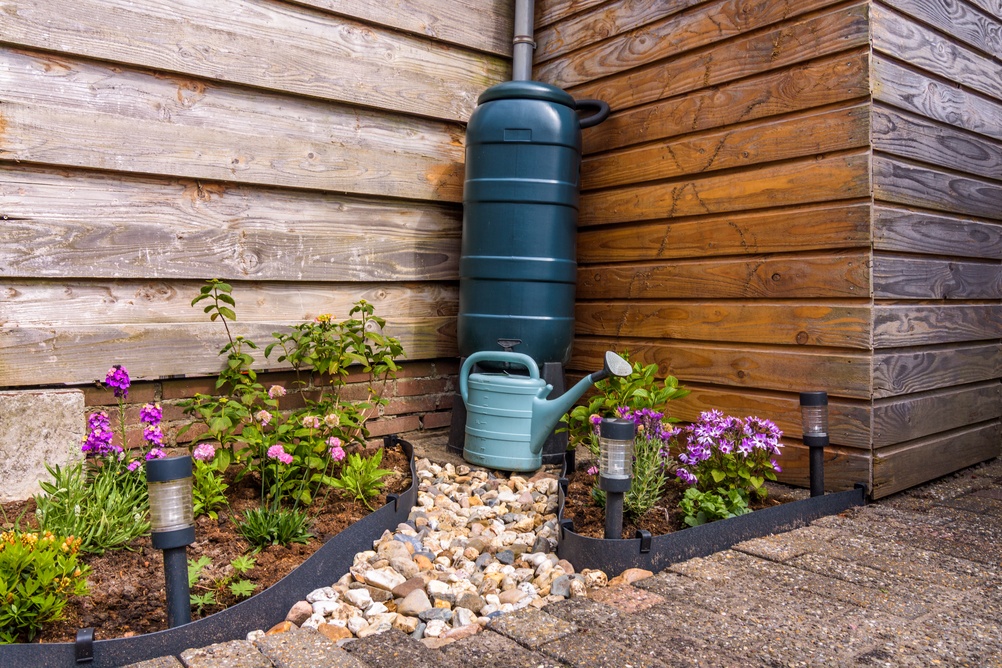
Rain barrels usually sit at the garden’s edge doing one job: collecting water and waiting for a watering can to come along. There is a quieter, smarter trick that turns that storage tank into a slow-release watering system that feeds plants right at the root zone. By carefully adding small punctures near the base, water seeps out gradually instead of rushing away in one go. This approach keeps soil consistently damp where it matters most, especially during dry spells or hot summer stretches. It also cuts down on hauling heavy watering cans back and forth, which the back tends to notice after a few trips.
This method feels almost too simple at first glance, yet that simplicity is exactly the point. Gravity does the work, not pumps or timers or complicated setups that need constant attention. The rain barrel becomes a low-tech irrigation helper that works quietly in the background while the garden does its thing. Plants receive steady moisture instead of dramatic soak-and-dry cycles that stress roots. Once set up correctly, the system runs like a gentle drip that never asks for much in return.
The Idea Behind Controlled “Puncturing” for Steady Water Release
The goal here centers on controlled seepage, not gushing leaks that empty a barrel in a day. Small holes placed low on the barrel allow water pressure and gravity to combine into a slow drip effect. Garden soil absorbs that moisture gradually, which helps roots grow deeper instead of staying shallow near the surface. This creates a more stable moisture zone, especially helpful for vegetables that hate sudden dry spells.
Placement matters more than most people expect, since even a slight change in height affects flow rate. Holes positioned just above the base line tend to release water slowly, while slightly higher holes increase flow a bit more. Many gardeners experiment with spacing to match different plant needs in nearby beds. The result feels less like watering and more like setting a steady rhythm for the soil itself.
Setting Up a Rain Barrel for Gentle, Consistent Drip Feeding
Before any puncturing happens, the barrel needs a stable position on a raised platform so gravity can do its job properly. Elevation improves pressure at the hole openings, which helps water move out at a steady pace instead of barely trickling. A secure base also prevents tipping, which matters when the barrel sits full and heavy after a storm. Once stable, the barrel becomes a dependable water source ready for modification.
Drilling small holes near the lower side wall creates the slow-release points that feed the garden. A tiny drill bit works best since larger openings turn the system into a fast drain rather than a controlled drip. Some gardeners add short lengths of tubing or inserts to direct water toward specific plant rows. This setup keeps moisture targeted instead of letting it disappear into random patches of soil.
Fine-Tuning Flow So Plants Get the Right Amount of Water
After the initial setup, observation becomes the most important tool in the entire system. Soil near the drip zones reveals whether the flow rate matches plant needs, showing dampness without turning muddy. If water moves too quickly, smaller holes or partial plugs help slow things down. If the soil stays too dry, slightly enlarging one or two openings increases output without redesigning everything.
Seasonal changes also affect how the system behaves, especially during heat waves or cooler stretches. Hot weather pulls moisture from soil faster, which may require adjusting flow or adding extra drip points. Cooler periods demand less water, so slowing the system prevents over-saturation. This flexibility keeps the barrel useful year-round instead of only during peak summer gardening months.
Why This Low-Tech Irrigation Trick Works So Well in Real Gardens
This system works because it mimics how soil naturally prefers to receive water: slow, steady, and close to the roots. Plants respond better when moisture arrives consistently instead of in heavy bursts that drain away quickly. The punctured barrel method also reduces evaporation since water enters the soil directly instead of spraying across the surface. That efficiency matters during dry stretches when every drop counts.
There is also a practical bonus that shows up quickly in daily gardening life. Fewer watering trips mean less time dragging hoses or hauling cans across uneven ground. Gardeners often notice healthier soil texture as organic matter stays evenly moist instead of repeatedly drying out. Over time, beds develop a more resilient structure that supports stronger root systems without extra effort.
The Simple Setup That Turns Rainfall into a Quiet Garden Ally
A rain barrel with carefully placed punctures transforms from a passive storage container into a steady partner for plant care. It delivers moisture in a controlled rhythm that supports root growth, soil health, and water efficiency without complicated equipment. Small adjustments to hole size and placement allow full customization based on garden layout and plant type. This approach proves that effective irrigation does not always require technology, just thoughtful design and a bit of experimentation.
The beauty of this method lies in its balance between simplicity and function, turning rainfall into a slow-working resource that keeps feeding the garden long after the storm passes. It rewards patience and observation more than tools or gadgets. With a little setup and occasional tweaking, the rain barrel quietly becomes one of the most useful features in the entire garden.
What creative watering tricks have worked in different garden spaces, and how might they change the way future seasons grow?
You May Also Like…
The Gardening Mistake That Can Destroy Plants After Heavy Rain
Why Some States Are Cracking Down on Rain Barrels Again
The Rain Barrel Revolution: Stop Paying for Garden Water This Summer
Why More Americans Are Looking for Low-Water Gardening Solutions
Why Self-Watering Gardens Are Suddenly So Popular

Brandon Marcus is a staff writer for FrugalGardening.com at District Media, Inc., where he delivers practical gardening advice with a relatable, no-nonsense style. An avid amateur gardener, he holds a BA degree and with over ten years of professional writing experience, he is also an award-winning published author whose first book, Questions For Deep Thinkers, was released by Adams Media. His work has appeared in major publications including Fandom.com, CHUD.com, TheColdWire.com, and Fansided.com.
Leave a Reply