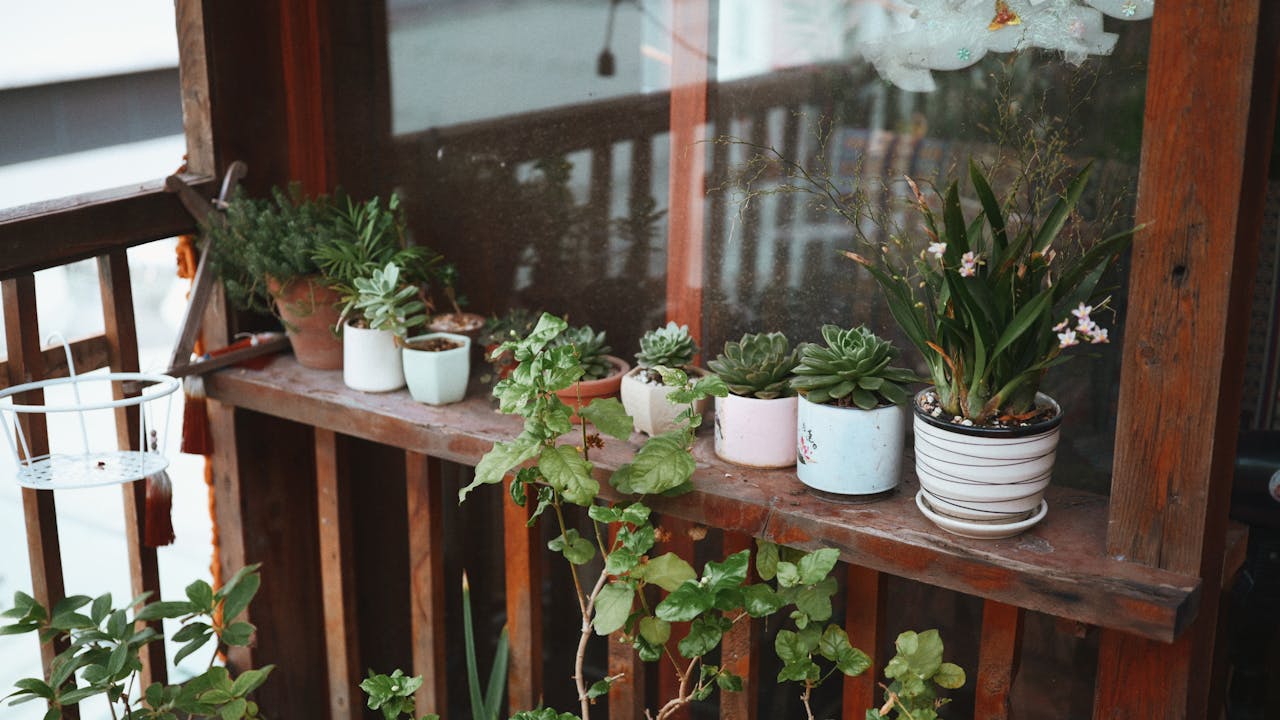
A tiny balcony does not need to limit gardening dreams. In fact, small spaces often spark the most creative, productive, and eye-catching gardens. With the right containers, plant choices, and layout tricks, even a narrow balcony can transform into a lush mini oasis bursting with color and flavor. Every inch matters, and smart gardening turns railings, corners, and vertical space into high-performing green real estate.
Balcony gardening also delivers more than beauty. It brings fresh herbs for cooking, vegetables within arm’s reach, and calming greenery that softens concrete surroundings. Careful plant selection prevents overcrowding and helps each container thrive without constant stress.
1. Herb Explosion in Small Pots
Herbs thrive in containers because they love controlled environments and frequent harvesting. Basil, thyme, rosemary, and parsley all grow happily in small to medium pots placed along sunny railings or clustered on a shelf. A well-drained potting mix and at least six hours of sunlight per day keep herbs productive and flavorful. Compact varieties also prevent overcrowding and allow multiple herbs to share a single large planter without competing too aggressively.
Mixing herbs in creative combinations turns a balcony into a living spice rack. Basil pairs well with oregano in warm climates, while mint prefers its own container due to aggressive spreading. Regular trimming encourages fuller growth and prevents plants from becoming woody or sparse. A steady harvest cycle keeps the plants productive while supplying fresh ingredients for everyday meals.
2. Dwarf Tomatoes That Pack a Punch
Dwarf and patio tomato varieties turn small balconies into productive vegetable gardens without overwhelming the space. These compact plants grow well in five-gallon containers and produce surprisingly generous harvests throughout the season. Consistent sunlight and deep watering schedules help prevent blossom end rot and encourage steady fruit development. Staking or cage support keeps the plant upright and protects ripening tomatoes from touching damp soil.
Cherry and grape tomato varieties perform especially well in container setups due to their resilience and fast production cycles. Regular feeding with balanced fertilizer boosts fruit size and flavor without stressing the plant. Strategic placement near warm walls or railings helps extend the growing season. A single healthy plant can produce enough tomatoes for salads, snacks, and cooking additions throughout the summer.
3. Vertical Strawberry Towers
Strawberry towers maximize vertical space while keeping fruit off the ground and away from pests. Tiered planters or stacked containers allow multiple strawberry plants to grow in a compact footprint. Full sun exposure and consistent moisture create sweet, juicy berries that ripen evenly. Good airflow between tiers helps reduce mold and keeps plants healthy during humid conditions.
Everbearing strawberry varieties produce fruit multiple times per season, making them ideal for balcony setups. Rotating the tower slightly during the week ensures even sunlight exposure on all sides. Lightweight soil mixes improve drainage and prevent root rot in stacked systems. A well-maintained tower can turn a small balcony into a continuous berry-picking station.
4. Leafy Greens Cut-and-Come-Again
Leafy greens like lettuce, spinach, and kale thrive in shallow containers and grow quickly in cooler temperatures. Cut-and-come-again harvesting allows repeated picking from the same plant, extending productivity over several weeks. Partial shade works well for greens, making them perfect for balconies that do not receive full-day sun. Consistent watering keeps leaves tender and prevents bitterness.
Succession planting keeps harvests steady by replacing older plants with new seedlings every few weeks. Mixing different leaf textures and colors creates an attractive edible display. Pest control stays simple in container setups since plants remain elevated and easy to monitor. Fresh greens become a reliable, low-maintenance staple for small-space gardeners.
5. Ornamental + Edible Mixed Containers
Mixed containers combine beauty and function by blending flowers with edible plants. Marigolds, nasturtiums, and calendula add vibrant color while also repelling pests naturally. Pairing them with herbs or compact vegetables creates visually stunning and productive arrangements. Thoughtful spacing prevents overcrowding and ensures each plant receives enough light and airflow.
This design style turns a balcony into a living decorative garden that changes with the seasons. Edible flowers like nasturtiums also bring peppery flavor to salads and dishes. Strategic container placement enhances visual balance and maximizes usable space. The result feels both ornamental and practical, delivering beauty and harvest in one setup.
Small Balcony Gardens That Grow Bigger Than Expected
Small balconies reward creativity, not square footage. Smart container choices, vertical thinking, and plant pairing strategies unlock surprising productivity in tight spaces. Every container becomes a purposeful piece of a larger living system rather than just decoration. With consistent care and thoughtful planning, even the smallest balcony can produce herbs, vegetables, and flowers that rival larger gardens.
The real magic comes from combining function and beauty in every pot and shelf. Plants adapt quickly when given proper light, water, and spacing, proving that limited space never limits potential. A well-designed container garden brings daily joy, fresh harvests, and a deeper connection to outdoor living. Small spaces grow into powerful green retreats when treated with intention and imagination.
What would grow first on your dream balcony garden setup? We want to hear your opinions and ideas below in our comments section.
You May Also Like…
The End-of-Aisle Secret: Finding the Discount Rack at Home Depot and Lowe’s
Why These 3 Invasive Plants Could Hurt Your Home Appraisal This Spring
How to Make a Simple Soil Moisture Meter at Home
The Garden Features That Could Increase Your Home’s Value for Under $50
Apartment Gardening: The $20 Setup for a Balcony Bounty

Brandon Marcus is a staff writer for FrugalGardening.com at District Media, Inc., where he delivers practical gardening advice with a relatable, no-nonsense style. An avid amateur gardener, he holds a BA degree and with over ten years of professional writing experience, he is also an award-winning published author whose first book, Questions For Deep Thinkers, was released by Adams Media. His work has appeared in major publications including Fandom.com, CHUD.com, TheColdWire.com, and Fansided.com.
Leave a Reply