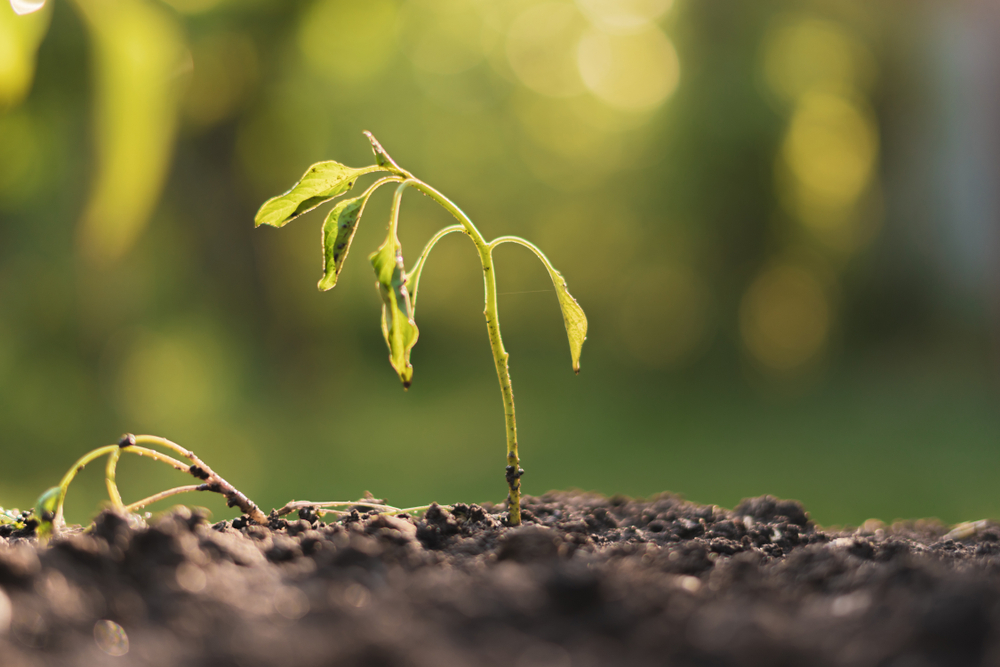
If your trays look great for a week and then flop, melt, or vanish overnight, you’re not alone. Most gardeners blame chilly windowsills, surprise drafts, or “bad luck” for why seedlings keep dying, but that’s rarely the real culprit. The truth is that tiny plants die fast when one basic need stays off-balance for even a couple of days. Once you know what actually causes the crash, you can fix it with simple, low-cost tweaks instead of buying more seeds and repeating the cycle. Let’s get your starts sturdy enough to handle real life, not just the first Instagram photo.
1. Seedlings Keep Dying Because Light Is Too Weak
Most seedlings don’t die from cold—they die from starvation, and weak light is a slow kind of starvation. A bright room to you can still be dim to a sprout trying to build stems and leaves. When light is insufficient, seedlings stretch, fall over, and can’t support themselves even if everything else looks fine. Put the light closer than you think: a few inches above the canopy for shop lights, and raise it as they grow. If you use a window, rotate trays daily and expect slower, leggier growth unless you add a cheap grow light.
2. Overwatering Turns Soil Into A Seedling Graveyard
Constantly wet mix smothers roots, blocks oxygen, and invites fungus to move in. Seedlings have tiny root systems, so they can’t handle the swamp conditions that mature plants sometimes tolerate. Watering on a schedule instead of by feel usually leads to soggy cells and sudden collapse. Aim for evenly damp, not soaked, and let the surface dry slightly before the next watering. Bottom-water when possible, then drain well so the trays never sit in water.
3. Damping-Off Fungus Finishes What Bad Conditions Started
Damping-off looks like a seedling got pinched at the soil line, then toppled over like a snapped toothpick. The fungus loves stagnant air, wet mix, and crowded trays, which is why it hits indoor starts so often. You can’t always “cure” it once it starts, so prevention is the real win to ensure seedlings don’t keep dying. Use clean trays, fresh seed-starting mix, and space your sowing so air can move between stems. Add gentle airflow with a small fan on low, and you’ll cut the odds dramatically.
4. Heat Mats Can Cook Roots Even When Air Feels Cool
A heat mat can help germination, but it can also stress seedlings after they sprout. Warm roots plus cool air often leads to soft growth that can’t support itself, especially if light is marginal. Some gardeners leave mats on too long because the room feels chilly, and the mix stays warmer than they realize. Once most seeds germinate, remove the mat or lower the temperature setting. You’ll grow tougher plants with sturdier stems and less disease pressure.
5. Low Humidity And Sudden Dry-Outs Cause Hidden Damage
Seedlings need consistent moisture, but that doesn’t mean constant wet soil. Dry indoor air can pull moisture from tiny leaves faster than roots can replace it, especially near vents, radiators, or sunny windows. One afternoon of crispy conditions can weaken a seedling enough that it never recovers, even if you water afterward. Use a clear dome early on, then vent it gradually to avoid shocking the plants. If your home is very dry, a shallow tray of water nearby or a small humidifier can make a noticeable difference.
6. Poor Drainage And Bad Containers Create Root Problems
Even “good” soil can fail if the container can’t drain properly. If water pools at the bottom, roots rot, and the top can still look misleadingly dry. Some recycled containers also leach odd residues or have no drainage holes, which turns every watering into a gamble. Choose cell trays, pots, or cups with several holes, and place them in a tray that lets excess water escape. If you DIY containers, poke more holes than you think you need and test drainage before sowing.
7. Transplant Shock Happens When Timing And Technique Are Off
Seedlings can look fine until you move them, then they stall or die within days. This often happens when roots are torn, stems are handled roughly, or the plant gets transplanted before it has enough true leaves. It also happens when you move a cozy indoor seedling into harsher conditions too quickly. Transplant by holding leaves, not stems, and keep the root ball intact as much as possible. Water in gently, then keep light consistent while the plant adjusts.
8. Nutrient Issues Show Up Earlier Than Most People Think
Seed-starting mix has little to no nutrition, so seedlings can run out of fuel quickly. When the first true leaves appear, the plant starts asking for more than water and light. If you wait too long to feed, growth slows, stems weaken, and the plant becomes more vulnerable to disease and stress. Start a weak, diluted liquid fertilizer once true leaves form, and repeat lightly on a regular rhythm. You’ll see greener growth and stronger stems without spending much.
9. Hardening Off Gets Skipped Or Rushed
Hardening off is not a cute optional step—it’s training for the outdoors. Indoor seedlings live in stable temperatures, low wind, and filtered light, so full sun and breeze can hit like a punch. If you move them outside for “just a day” without ramping up exposure, leaves scorch and stems dry out fast. Start with short, sheltered trips outside and increase time and sun gradually over a week. This single habit saves more seedlings than any fancy product.
The Fix Is Balance, Not Luck
When seedlings keep dying, the cause is usually a pile-up of small stresses, not one dramatic cold night. Strong light, smart watering, airflow, and gentle transitions work together like a safety net. Fix the environment first, then add fertilizer and transplanting only when the plant is ready. Keep notes on what you changed so you can repeat what works next season. Your goal isn’t perfect seedlings—it’s consistent, sturdy ones you can actually plant out.
Which of these issues sounds most like why your seedlings keep dying right now—light, water, airflow, or hardening off?
What to Read Next…
9 Late-Season Seedlings That Work in Cold Frames
8 Seedlings That Transplant Better in Cool Weather
From Paper Towel to Potting Soil: The Ideal Time to Transplant Your Seedlings
8 Easy Seed-Starting Setups Using Stuff You Already Own
7 Ways to Prevent Frost Heave From Uprooting Small Plants

Catherine is a tech-savvy writer who has focused on the personal finance space for more than eight years. She has a Bachelor’s in Information Technology and enjoys showcasing how tech can simplify everyday personal finance tasks like budgeting, spending tracking, and planning for the future. Additionally, she’s explored the ins and outs of the world of side hustles and loves to share what she’s learned along the way. When she’s not working, you can find her relaxing at home in the Pacific Northwest with her two cats or enjoying a cup of coffee at her neighborhood cafe.
Leave a Reply