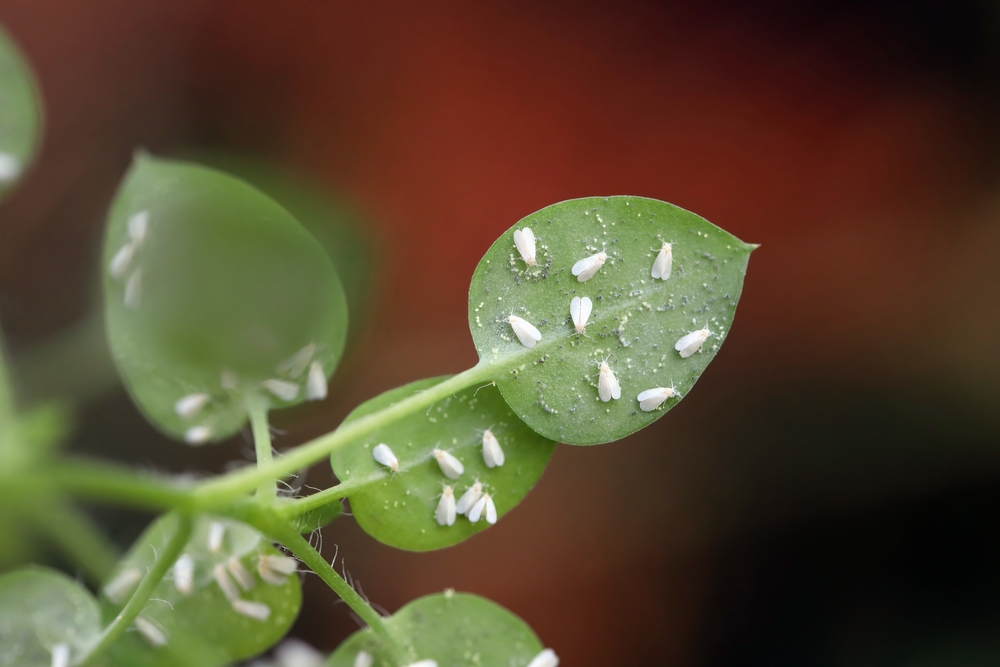
A cloud of tiny white flies lifting from your plants usually points to one familiar garden troublemaker: whiteflies. These small sap-sucking insects can turn a healthy-looking plant into a stressed, sticky mess if gardeners ignore the warning signs.
Whiteflies leave clues behind, and quick action can stop a small pest problem from becoming a full garden headache. Learning what attracts these insects, how they damage plants, and which control methods actually work can help gardeners protect flowers, vegetables, and houseplants with confidence.
Whiteflies Create That Tiny Flying Cloud Around Leaves
Those tiny white insects floating around your plants usually belong to the whitefly family, a group of sap-feeding pests related to aphids and scale insects. Adult whiteflies gather on the undersides of leaves, where they drink plant juices through their straw-like mouthparts. Gardeners often notice the insects when they brush a plant and watch a little white cloud rise like miniature confetti with a very unwanted purpose.
The insects attack many plants, including tomatoes, peppers, cucumbers, ornamental flowers, and houseplants. A quick leaf shake can reveal an infestation, but yellowing leaves, sticky residue called honeydew, and weakened growth often provide bigger clues.
Whiteflies do their damage by removing nutrients and water from plant tissue, which can leave leaves looking pale, curled, or tired. They also produce honeydew, a sugary substance that attracts ants and encourages the growth of sooty mold on leaves. A plant with a heavy whitefly population may struggle because the insects keep stealing the resources it needs to maintain healthy growth. Indoor gardeners often spot the problem on plants near sunny windows because warm, protected spaces give whiteflies a comfortable home. Outdoor gardeners may notice larger outbreaks during warm weather when whitefly populations multiply quickly.
Garden Conditions Can Invite Whiteflies To Move In
Whiteflies do not appear from nowhere, and several garden conditions can make plants more appealing to these pests. Warm temperatures, crowded plant growth, and stressed plants often create the perfect setup for whiteflies to settle in. A neglected greenhouse or a packed vegetable bed can become a whitefly vacation spot with unlimited snacks. Overusing nitrogen fertilizer can also encourage lush, soft plant growth that attracts sap-feeding insects. Healthy garden habits can make plants less attractive targets.
Regular plant inspections help gardeners catch whiteflies before the insects spread across an entire planting area. Check leaf undersides because whiteflies often hide there during the day and lay their eggs in protected spots. A strong spray of water from a garden hose can knock adults and young insects from leaves, giving plants some relief. Yellow sticky traps can help monitor whitefly activity, especially inside greenhouses or near indoor plants. Good spacing between plants improves airflow and makes it easier to spot problems early.
Simple Control Tricks Can Reduce Whitefly Populations
Many gardeners reach for harsh chemicals first, but whiteflies often respond well to simple control methods when gardeners act early. Insecticidal soap and horticultural oils can help manage whiteflies by targeting soft-bodied insects on leaves. These products require careful application because they work best when they directly contact the pests. Gardeners should always follow product labels and test treatments on a small area before treating an entire plant. A little patience often beats a rushed approach.
Beneficial insects can also help keep whitefly numbers in check because lady beetles, lacewings, and parasitic wasps naturally attack these pests. Planting a variety of flowers can encourage helpful insects to visit the garden and create a more balanced ecosystem. Removing heavily damaged leaves can reduce hiding places and slow the spread of an infestation. Houseplant owners should isolate affected plants because whiteflies can move easily from one pot to another. The goal involves reducing the pest population while protecting the plant and the helpful creatures nearby.
The Whitefly Warning Sign Every Gardener Should Catch Early
Tiny white flies rising from plants do not mean the garden has failed, but they do signal that something needs attention. Whiteflies often start with a small population that hides beneath leaves before gardeners notice the damage. Catching the problem early gives plants a much better chance to recover from the stress. A weekly leaf check takes only a few minutes and can prevent many pest problems from growing. Smart gardening often comes down to noticing small changes before they become big problems.
The next time a white cloud lifts from a tomato plant, flower, or houseplant, take a closer look instead of simply waving it away. Whiteflies leave behind recognizable signs, and gardeners who learn those clues can respond quickly. Consistent care, healthy soil practices, and regular inspections create a stronger defense than panic spraying. Every garden attracts a few unwanted visitors, but a watchful gardener can keep tiny pests from taking over. The best pest control tool often starts with a curious eye and a quick check under the leaves.
Do whiteflies show up in your garden or houseplants, and what methods have worked best for keeping them under control? Share your experience in the comments.
You May Also Like…
9 Backyard Habits That Can Accidentally Invite Pests
Which Plant Pairings Naturally Reduce Pests and Improve Yields
Why Some Gardens Attract More Pests
7 Backyard Plants That May Be Attracting More Bugs Than You Realize
Why Stink Bugs Are Suddenly Invading Homes in North Carolina

Brandon Marcus is a staff writer for FrugalGardening.com at District Media, Inc., where he delivers practical gardening advice with a relatable, no-nonsense style. An avid amateur gardener, he holds a BA degree and with over ten years of professional writing experience, he is also an award-winning published author whose first book, Questions For Deep Thinkers, was released by Adams Media. His work has appeared in major publications including Fandom.com, CHUD.com, TheColdWire.com, and Fansided.com.
Leave a Reply