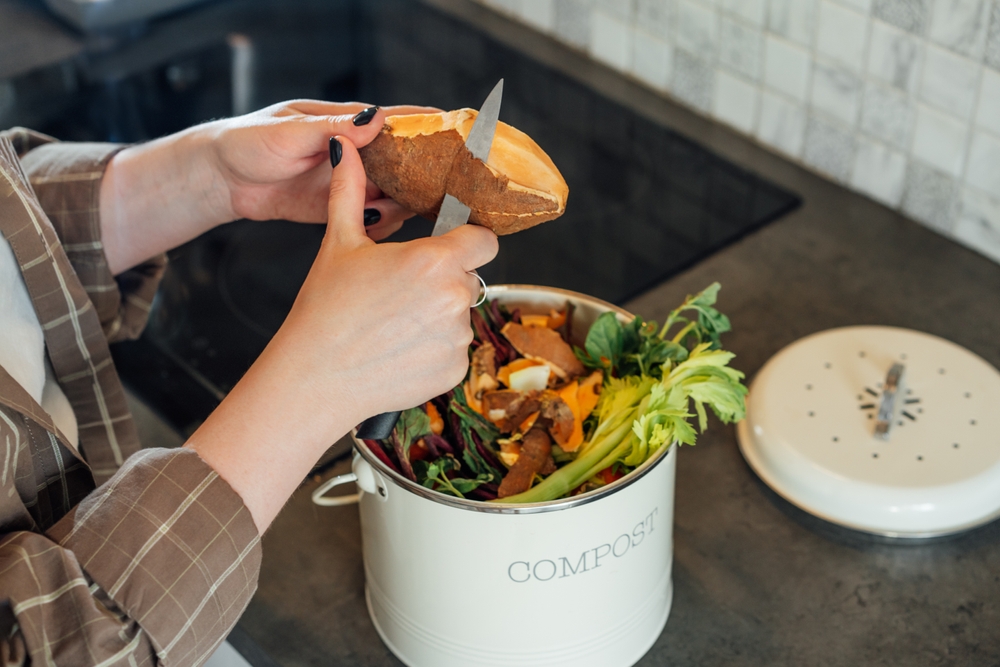
An orange peel hits the trash—and just like that, valuable plant fuel gets tossed away. That moment happens every day in kitchens everywhere, and it adds up fast. Those scraps don’t belong in a landfill; they belong back in the soil, working hard and feeding the next round of growth. With a few smart moves and a little patience, those leftovers can turn into something powerful. Composting doesn’t just cut waste—it builds something alive, rich, and wildly useful.
A pile of scraps might not look like much at first glance, but it holds serious potential. Banana peels pack potassium, coffee grounds deliver nitrogen, and eggshells offer calcium that plants crave. When those ingredients come together the right way, they break down into a dark, crumbly material that gardeners call “black gold.” That transformation doesn’t require a fancy setup or expert-level skills. It just needs consistency, a little know-how, and a willingness to see trash differently.
From Trash to Treasure: What Actually Belongs in the Pile
Not every kitchen scrap deserves a spot in a compost bin, and getting this part right makes all the difference. Fruit and vegetable scraps lead the charge, bringing moisture and essential nutrients that microbes love to break down. Coffee grounds and tea leaves join the mix as excellent sources of nitrogen, which fuels decomposition and keeps the process moving. Crushed eggshells add calcium, but they need a quick rinse and a good crush to break down efficiently. Bread, rice, and pasta can go in too, but moderation matters because they attract pests if overused.
On the flip side, some items should stay far away from any compost setup. Meat, dairy, and oily foods create odors and invite unwanted critters, so they belong in the trash or a specialized compost system designed for them. Citrus peels work in small amounts, but too much acidity can slow the process and disrupt microbial balance. Glossy paper, plastic-coated items, and anything synthetic simply don’t break down properly and will contaminate the final product. A clean, thoughtful selection of scraps keeps the compost healthy and effective.
Balance plays a starring role in this process, and it goes beyond just picking the right scraps. Compost needs a mix of “greens” and “browns” to thrive, and kitchen scraps fall into the green category. Browns include dry leaves, shredded paper, cardboard, and even sawdust, all of which provide carbon. Without enough browns, the pile turns soggy and smelly, which nobody wants hanging around. With the right ratio, the pile heats up, breaks down faster, and produces a nutrient-rich result that plants absolutely love.
The Magic Mix: Building a Compost That Actually Works
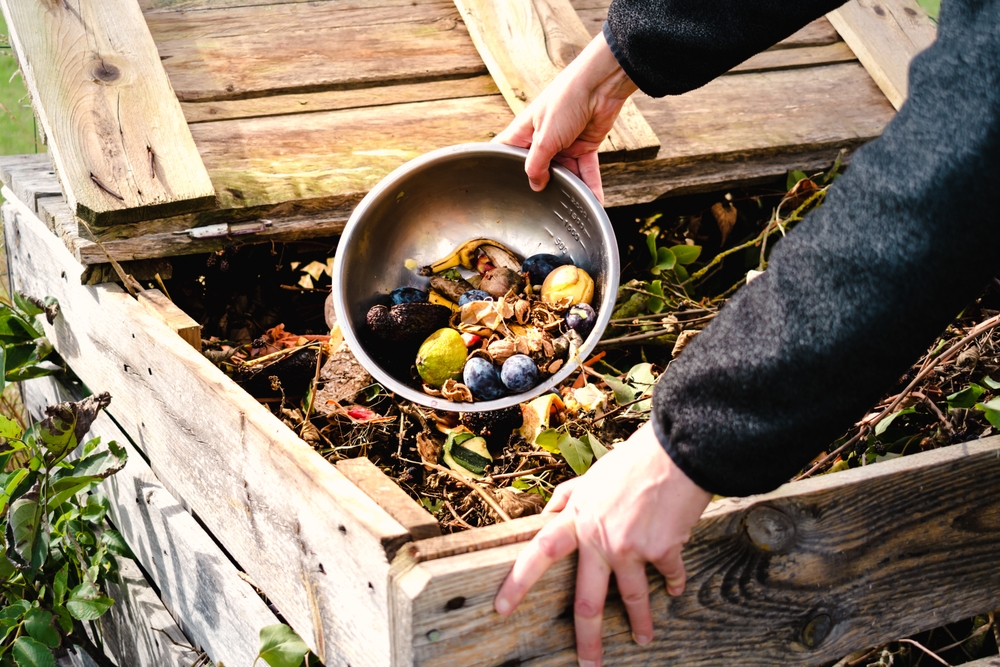
A successful compost pile doesn’t happen by accident—it takes a little structure and a bit of attention. Start with a base layer of browns to help with airflow and drainage, then add a layer of kitchen scraps on top. Keep alternating between greens and browns, aiming for roughly two parts browns to one part greens. That ratio keeps the pile balanced and prevents it from turning into a wet, sluggish mess. Moisture matters too, so the pile should feel like a damp sponge, not a dripping one.
Turning the pile speeds everything up and keeps oxygen flowing, which microbes need to do their job. A quick mix every week or so helps break things down evenly and prevents clumping. Without oxygen, the pile goes anaerobic, which leads to unpleasant smells and slower decomposition. A well-aerated pile, on the other hand, heats up and works efficiently, often breaking down materials in just a few months. That heat also helps kill off weed seeds and harmful pathogens, making the final compost safer to use.
Temperature gives a clear signal about how things are going inside the pile. A warm or even hot center shows that microbes are active and thriving, while a cold pile might need more greens or better moisture balance. If the pile smells bad, it likely needs more browns or better airflow, so a quick adjustment can fix things fast. Composting rewards small tweaks and attention, not perfection. With a little observation and a willingness to adjust, the process becomes surprisingly smooth and satisfying.
Small Spaces, Big Results
No yard? No problem. Composting fits into small spaces with the right setup and a bit of creativity. Countertop compost bins collect daily scraps without taking over the kitchen, and many come with charcoal filters to keep odors under control. Once that bin fills up, the contents can move to a larger system, like a balcony compost tumbler or a community compost drop-off. Even a simple sealed container can store scraps in the freezer until it’s time to process them.
Vermicomposting, or composting with worms, offers another compact and effective option. Special composting worms break down scraps quickly and produce nutrient-rich castings that plants love. A small worm bin can live under a sink or in a closet, quietly turning scraps into fertilizer without creating a mess. The key lies in feeding the worms the right materials and keeping their environment balanced. With proper care, they handle a surprising amount of waste.
Bokashi composting adds yet another option, especially for those who want a faster, low-odor process. This method uses a special bran to ferment kitchen scraps in an airtight container, including items that traditional composting avoids. After fermentation, the material can go into soil or a compost pile to finish breaking down. It works quickly and fits neatly into tight spaces, making it a favorite for urban living. With these options on the table, composting becomes accessible no matter the size of the living space.
Feeding the Soil: How to Use Finished Compost Like a Pro
Finished compost looks dark, crumbly, and earthy, with no recognizable food scraps left behind. That rich material can transform soil, boosting its structure and feeding plants naturally. Mixing compost into garden beds improves drainage in heavy soils and helps sandy soils retain moisture. It also introduces beneficial microbes that support plant health and growth. A few inches worked into the top layer of soil can make a noticeable difference.
Compost also shines as a top dressing for existing plants, adding nutrients without disturbing roots. A light layer spread around the base of plants helps retain moisture and slowly releases nutrients over time. It works beautifully for vegetables, flowers, and even houseplants when used in moderation. Compost tea, made by steeping compost in water, offers another way to deliver nutrients directly to plants. This liquid fertilizer provides a gentle boost and supports healthy growth.
Timing matters when using compost, and spring and fall offer ideal windows for application. Adding compost before planting sets the stage for strong growth, while fall applications help soil recover and prepare for the next season. Overusing compost can overwhelm plants, so moderation keeps things balanced. A thoughtful approach ensures that the compost enhances the soil without creating excess. With consistent use, compost builds healthier soil year after year.
Less Waste, Better Plants, Stronger Soil
Kitchen scraps don’t belong in the trash—they belong in the cycle of growth that keeps soil alive and productive. Composting turns everyday waste into something valuable, cutting down on landfill use and giving plants exactly what they need to thrive. It doesn’t demand perfection, expensive tools, or a massive space. It just asks for a shift in perspective and a bit of consistency. That small change creates a ripple effect that benefits gardens, homes, and the environment.
What could happen if more of your waste turned into growth instead of garbage? Drop some thoughts, favorite composting tricks, or even a few trial-and-error stories in the comments and keep the conversation growing.
You May Also Like…
8 Plants That Grow Well From Grocery Store Scraps
How to Improve Soil Using Kitchen Waste
13 Composting Ideas to Use Holiday Kitchen Waste in Your Garden
7 Natural Fertilizers Found in Your Fall Kitchen
12 Ways to Use Pumpkin Scraps in the Garden

Brandon Marcus is a staff writer for FrugalGardening.com at District Media, Inc., where he delivers practical gardening advice with a relatable, no-nonsense style. An avid amateur gardener, he holds a BA degree and with over ten years of professional writing experience, he is also an award-winning published author whose first book, Questions For Deep Thinkers, was released by Adams Media. His work has appeared in major publications including Fandom.com, CHUD.com, TheColdWire.com, and Fansided.com.
Leave a Reply