Big harvests do not belong exclusively to sprawling backyards and countryside plots. A handful of square feet, a balcony railing, or even a sunny windowsill can turn into a powerhouse of fresh food with the right approach. Small-space gardening does not play by the rules of traditional gardening, and that gives it a serious advantage. It invites creativity, rewards efficiency, and delivers results that feel almost rebellious against the idea that “bigger is better.” The trick lies in choosing smart setups that squeeze every inch for maximum output while keeping things visually exciting and easy to maintain.
Forget the image of neat rows stretching across acres, because this kind of gardening thrives on clever layering, vertical thinking, and bold plant choices. Compact gardens can produce herbs that overflow from pots, vegetables that climb instead of sprawl, and greens that regenerate again and again.
1. The Vertical Powerhouse That Climbs Its Way to Abundance
Walls, fences, and railings hold untapped potential, and vertical gardening unlocks it with serious flair. Instead of letting plants spread outward and compete for limited ground space, this method sends them upward where sunlight often shines more consistently. Trellises, hanging planters, and stacked shelving units transform blank surfaces into lush, edible displays that look as good as they perform. Climbing plants like beans, peas, cucumbers, and even small squash varieties thrive in this setup, producing impressive yields without hogging valuable floor space. Herbs such as basil and thyme also adapt well to vertical pockets, creating layers of fragrance and flavor that feel almost theatrical.
This approach also improves airflow around plants, which reduces the risk of pests and diseases that tend to thrive in crowded conditions. A well-designed vertical garden can turn into a living wall of food, where every level offers something different to harvest. Regular pruning and training keep plants focused on upward growth instead of tangling into chaos, and that attention pays off with cleaner, healthier crops. Lightweight containers and sturdy supports matter here, especially when dealing with heavier fruiting plants. With a bit of planning, vertical gardening delivers both beauty and productivity in a way that feels almost architectural.
2. Container Combos That Work Harder Than They Look
A single pot can do more than hold one lonely plant, and smart container combinations turn that pot into a mini ecosystem. The idea revolves around pairing plants that complement each other in growth habits, nutrient needs, and harvest timing. Fast-growing greens like lettuce or arugula can fill the gaps between slower crops such as peppers or eggplants, ensuring that no space sits idle. This layered planting style keeps soil productive and reduces wasted room, which makes it perfect for patios and balconies where every inch counts.
Flavor also benefits from these combinations, especially when herbs share space with vegetables. Basil planted alongside tomatoes not only saves space but also creates a classic culinary pairing right at arm’s reach. Root depth plays a big role in success, so mixing shallow-rooted plants with deeper ones prevents overcrowding below the surface. Regular feeding keeps these busy containers thriving, since multiple plants draw nutrients quickly from limited soil. With the right combinations, a single container can feel like a full garden in disguise.
3. Windowsill Greens That Refuse to Quit
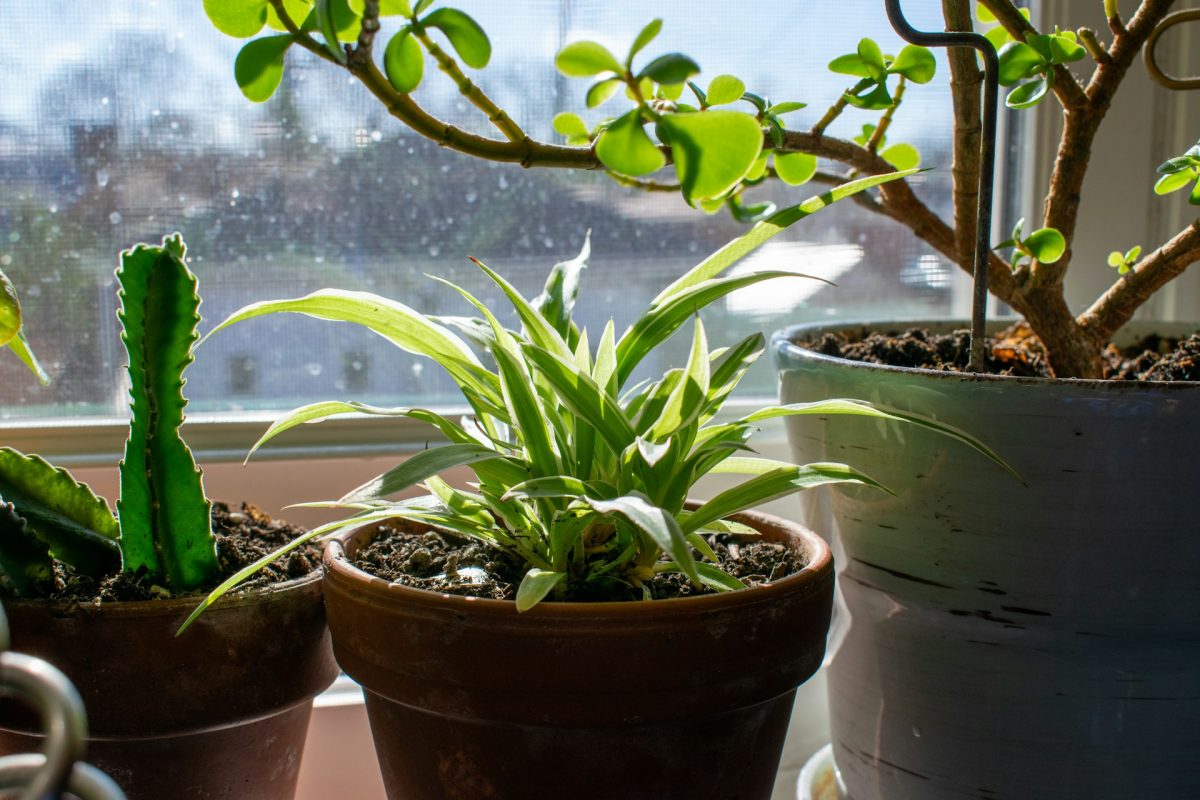
A sunny windowsill might look modest, but it can deliver a steady stream of fresh greens that keep coming back for more. Cut-and-come-again crops like spinach, lettuce, and kale allow repeated harvesting without replanting, which makes them incredibly efficient for tight indoor spaces. These plants grow quickly, respond well to trimming, and thrive in shallow containers that fit neatly along a window. Consistent light and regular watering keep them productive, while a simple rotation ensures even growth on all sides.
Microgreens take this concept even further by offering ultra-fast harvests packed with nutrients and bold flavor. Seeds sprout quickly and reach harvest size in just a couple of weeks, making them one of the fastest ways to grow food at home. A rotation of trays can create a continuous supply without overwhelming the space. Even herbs like chives and parsley perform well on windowsills, adding both greenery and utility. This setup proves that even the smallest indoor spot can pull its weight in a big way.
4. Hanging Gardens That Float With Flavor
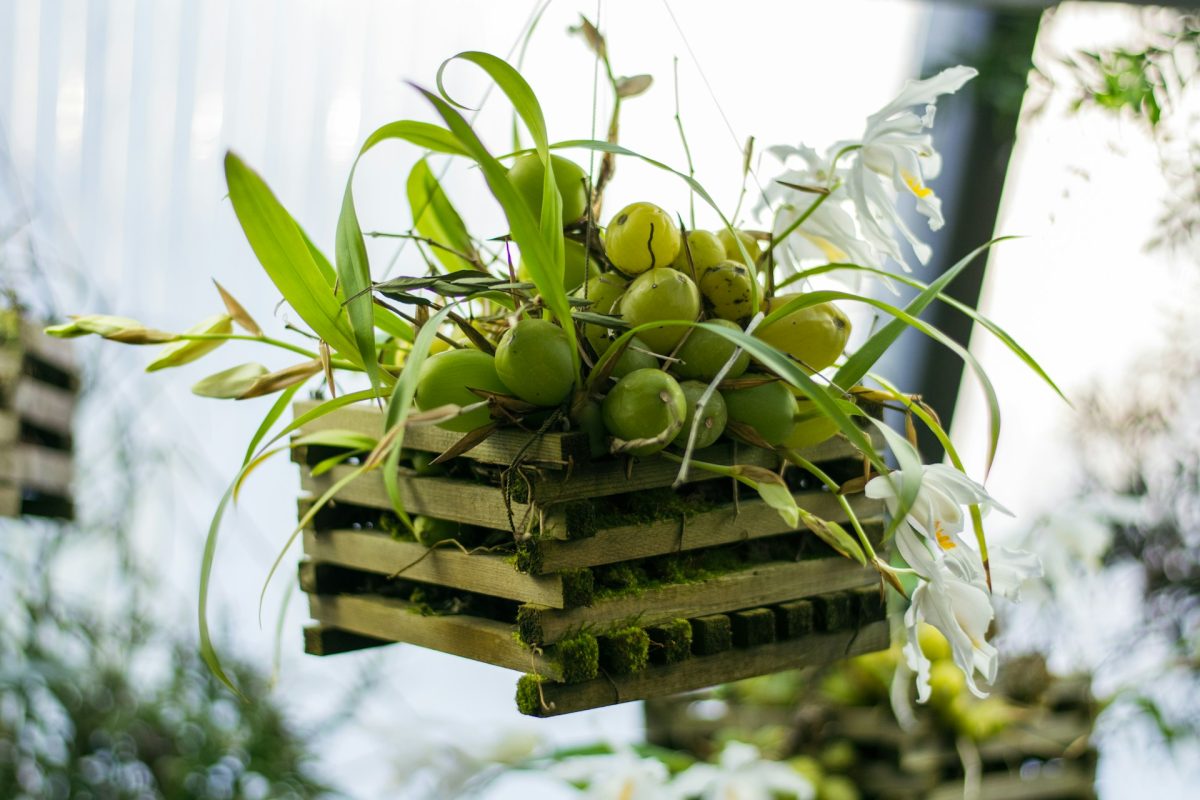
Airspace often goes ignored, yet hanging gardens turn it into one of the most productive zones available. Baskets filled with strawberries, cherry tomatoes, or trailing herbs create a cascading effect that looks stunning while delivering real harvests. These setups free up surfaces below, which allows more room for additional containers or movement. Lightweight soil mixes help reduce strain on hooks and supports, while proper drainage keeps plants healthy and thriving.
Hanging plants also receive excellent sunlight exposure, especially when positioned near open areas or balcony edges. Watering requires a bit more attention since elevated containers tend to dry out faster, but that small effort brings big rewards. Regular feeding and occasional trimming encourage continuous growth and fruit production. The visual payoff adds another layer of satisfaction, turning a simple growing space into something vibrant and dynamic. A hanging garden does not just grow food; it transforms the entire feel of a space.
5. Compact Raised Beds That Maximize Every Inch
Raised beds do not need sprawling dimensions to deliver impressive yields. A compact raised bed, even one just a few feet wide, can produce a surprising amount of food when planted intensively. Square-foot gardening techniques divide the bed into small sections, each dedicated to a specific crop, which eliminates wasted space and keeps everything organized. This method allows close planting without overcrowding, creating a dense, highly productive garden.
Soil quality becomes a major advantage in raised beds, since it stays loose, well-drained, and rich in nutrients. Crops like carrots, radishes, and beets thrive in this environment, producing straight, healthy roots without obstruction. Companion planting adds another layer of efficiency by pairing crops that support each other’s growth or deter pests naturally. Regular harvesting encourages continued production, especially for fast-growing vegetables. A small raised bed can easily outproduce a larger, poorly managed plot when every inch gets used with intention.
6. Herb Towers That Turn Tiny Spaces Into Flavor Factories
Herbs deliver some of the highest returns in small spaces, and herb towers take that concept to the next level. These vertical planters stack multiple planting pockets into a compact footprint, allowing a wide variety of herbs to grow in one place. Basil, mint, oregano, cilantro, and rosemary can all share the same structure while maintaining their individual growth habits. This setup keeps everything within easy reach, which encourages frequent harvesting and keeps plants productive.
Frequent trimming actually boosts herb growth, so these towers reward regular use in the kitchen. Good drainage and consistent watering keep roots healthy across all levels, while rotating the tower ensures even sunlight exposure. The variety of flavors available in such a small space adds serious value, especially for anyone who enjoys cooking with fresh ingredients. Herb towers also bring a strong visual element, creating a lush, layered display that feels alive and vibrant. In a limited space, they offer one of the most efficient and satisfying ways to grow edible plants.
Small Space, Big Energy
Small-space gardening does not settle for less; it simply plays smarter and pushes creativity to the forefront. Each of these ideas proves that limited room does not limit potential, especially when thoughtful design meets the right plant choices. Vertical setups, layered containers, and compact systems all work together to turn tight areas into thriving sources of fresh food. Consistency, attention, and a willingness to experiment make all the difference, transforming small gardens into reliable, productive spaces that keep giving.
Which of these ideas feels like the perfect fit to try first, and what creative twist would make it even better? Share thoughts, strategies, or bold gardening experiments in the comments.
You May Also Like…
Vertical Gardeners Warned: These Popular Plants Are Failing in Winter Conditions
5 Patio Herb Garden Ideas That Work for Renters and Small Spaces
5 Budget Ways to Mark Garden Rows Clearly
How to Keep Garden Tools Rust-Free Without Chemicals
Why Planting Too Early Can Set Back Your Entire Garden

Brandon Marcus is a staff writer for FrugalGardening.com at District Media, Inc., where he delivers practical gardening advice with a relatable, no-nonsense style. An avid amateur gardener, he holds a BA degree and with over ten years of professional writing experience, he is also an award-winning published author whose first book, Questions For Deep Thinkers, was released by Adams Media. His work has appeared in major publications including Fandom.com, CHUD.com, TheColdWire.com, and Fansided.com.
Leave a Reply