Gardening can feel like a delicate dance of watering, weeding, fertilizing, and praying for the sun to shine just right. But imagine stepping into your garden and finding plants thriving on their own, spreading joy and color without you lifting a finger. Certain perennials are the masters of self-proliferation, turning your backyard into a vibrant, ever-expanding paradise.
These plants don’t just survive—they multiply, creating lush carpets of foliage and bursts of blooms that seem to have their own agenda. If you’ve ever dreamed of a low-maintenance garden that grows smarter than you do, get ready to meet the green stars of effortless multiplication.
1. Daylilies That Take Over With Grace
Daylilies are the champions of easy-going perennials. These plants aren’t picky about soil and can flourish in sun or partial shade. Once planted, they often form dense clumps that spread year after year, producing a stunning array of trumpet-shaped flowers in bright oranges, reds, and yellows. Their ability to thrive in challenging conditions means less fussing over fertilizers and watering schedules.
Over time, a single daylily can become a dramatic focal point in your garden, providing continuous bursts of color with practically zero effort. Their resilience makes them perfect for both beginners and seasoned gardeners looking for reliable, show-stopping blooms.
2. Hostas That Expand Quietly And Elegantly
Hostas are like the quiet overachievers of the perennial world. They thrive in shaded spots where other plants might struggle, sending out new shoots that gradually form large, lush clumps. Their leaves range from deep green to blue-gray, often with striking variegation, adding texture and visual interest to any garden bed. Once established, hostas require minimal care, and their multiplication can fill empty corners with thick, leafy goodness. They’re also incredibly forgiving, handling everything from dry spells to heavy rainfall without complaint. In addition, hostas attract pollinators like bees and butterflies, making your shaded areas lively and full of natural activity.
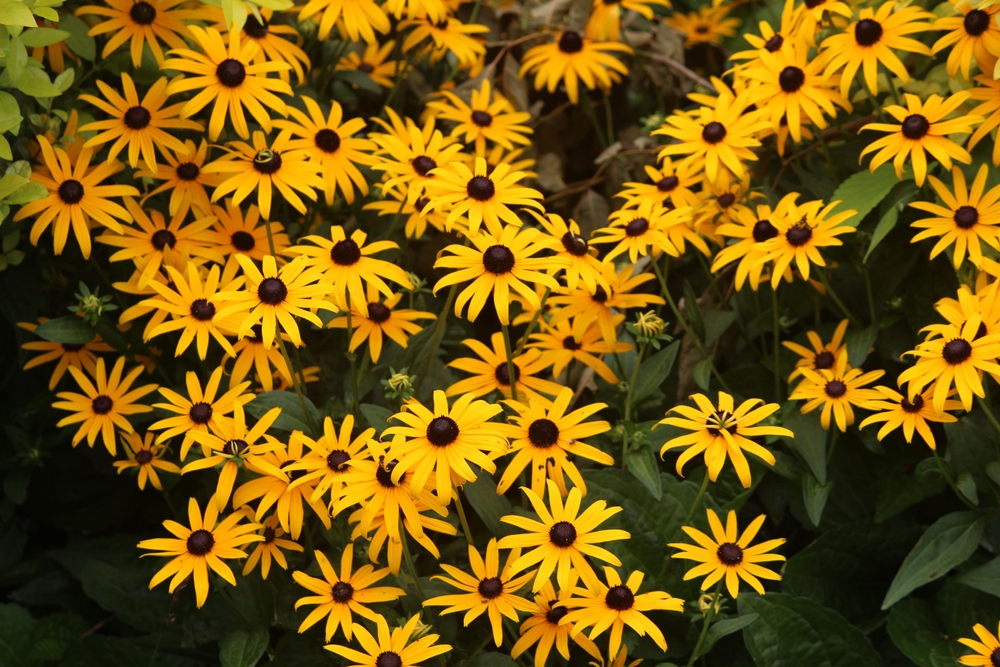
3. Black-Eyed Susans That Burst With Energy
Black-eyed Susans are bright, cheerful, and remarkably self-sufficient. These sunny yellow flowers are notorious for spreading quickly through seeds and underground rhizomes, creating a vibrant, golden display that can dominate your garden in the best way. They thrive in a variety of soils and require little attention once planted, tolerating drought and heat better than many other perennials. Their bold blooms attract pollinators and can even naturalize along walkways or wild corners, creating a carefree, meadow-like feel. By mid-summer, Black-eyed Susans can form thick clusters that bring constant color without the gardener constantly checking in.
4. Sedum That Conquers With Style
Sedum, often called stonecrop, is a succulent superstar that thrives in sun and poor soil. These hardy plants multiply through both seeds and spreading stems, eventually forming ground-covering mats of thick, fleshy leaves. Sedum is drought-tolerant, requires minimal fertilization, and produces clusters of tiny flowers that attract butterflies and bees. They’re particularly perfect for rock gardens, borders, or containers, where they can cascade over edges in dramatic fashion.
Watching a single sedum plant slowly fill a space with glossy greenery and delicate blooms is like seeing nature work its magic with zero intervention.
5. Bee Balm That Paints Your Garden With Color
Bee balm is a pollinator magnet that can take over a garden bed in the most delightful way. Its vibrant red, pink, or purple flowers attract hummingbirds, bees, and butterflies while its clumps expand rapidly, creating a lush, flower-filled zone. Bee balm prefers sun and rich soil, but once established, it spreads eagerly without much fuss. Deadheading can extend blooms, but even left alone, this perennial will continue multiplying year after year. Its fragrant leaves also offer an herbal bonus, perfect for adding a garden-to-table touch or a splash of fragrance to outdoor seating areas.
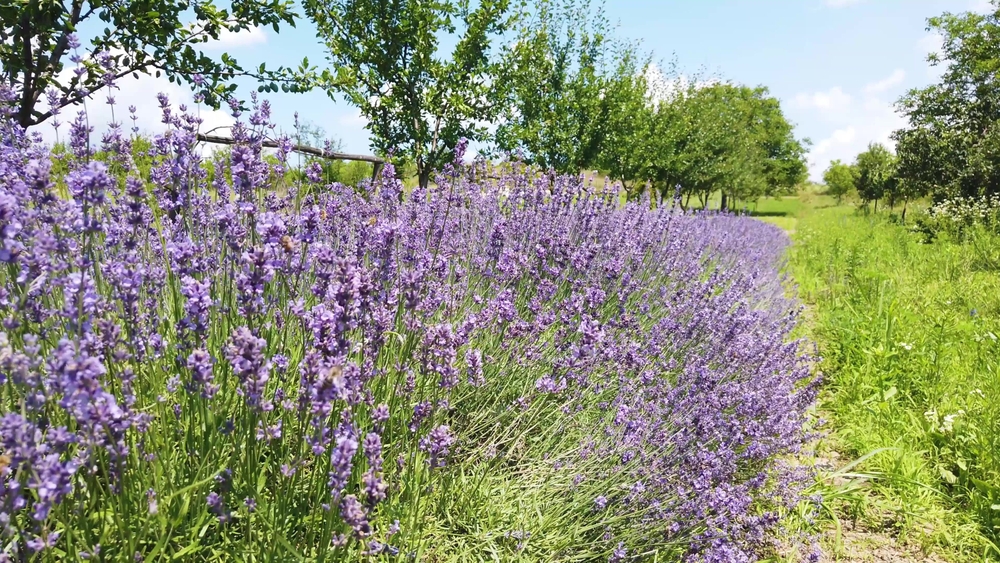
6. Lavender That Expands Fragrant Patches
Lavender isn’t just beautiful—it’s practically magical when it comes to self-spreading. This fragrant herb thrives in sunny, well-drained soil and will gradually form expansive mounds of silvery-green foliage topped with spikes of purple flowers. Lavender attracts pollinators while its aromatic oils keep certain pests away, making it both decorative and practical.
Over time, a single lavender plant can create a thick, fragrant border, and occasional pruning encourages denser growth without much ongoing effort. Its low-maintenance nature and soothing scent make it a perennial favorite for gardeners seeking both style and simplicity.
7. Creeping Phlox That Carpet Your Garden
Creeping phlox is the ultimate ground-hugging superstar. In spring, it erupts with a riot of colors—from pinks to purples to whites—creating a carpet of flowers that seem to have taken over overnight. This perennial spreads through stems that root wherever they touch soil, turning hillsides, rock gardens, and borders into blooming masterpieces.
Creeping phlox tolerates a range of conditions and requires minimal watering once established. Its rapid growth and vibrant display make it a perfect choice for gardeners who want a high-impact visual without constant upkeep.
Let Your Garden Flourish Effortlessly
These seven perennials prove that a stunning, multiplying garden doesn’t have to mean endless work. By choosing plants that naturally spread, you can create colorful, dynamic landscapes that evolve on their own. Every year, you’ll return to see fuller clumps, more blooms, and a sense of wonder as your garden seems to have a life of its own.
Have you tried any of these resilient perennials in your garden? Or perhaps you’ve discovered others that multiply without much care? Leave your thoughts and experiences in the comments.
You May Also Like…
6 Perennials That Thrive When Planted Early on a Budget
How to Safely Move Perennials Before the Ground Freezes
14 Blooming Perennials That Return Stronger Every January
The Perennials You Should Split and Move Right Now
11 Perennials That Should Always Be Mulched in Fall

Brandon Marcus is a staff writer for FrugalGardening.com at District Media, Inc., where he delivers practical gardening advice with a relatable, no-nonsense style. An avid amateur gardener, he holds a BA degree and with over ten years of professional writing experience, he is also an award-winning published author whose first book, Questions For Deep Thinkers, was released by Adams Media. His work has appeared in major publications including Fandom.com, CHUD.com, TheColdWire.com, and Fansided.com.
Leave a Reply