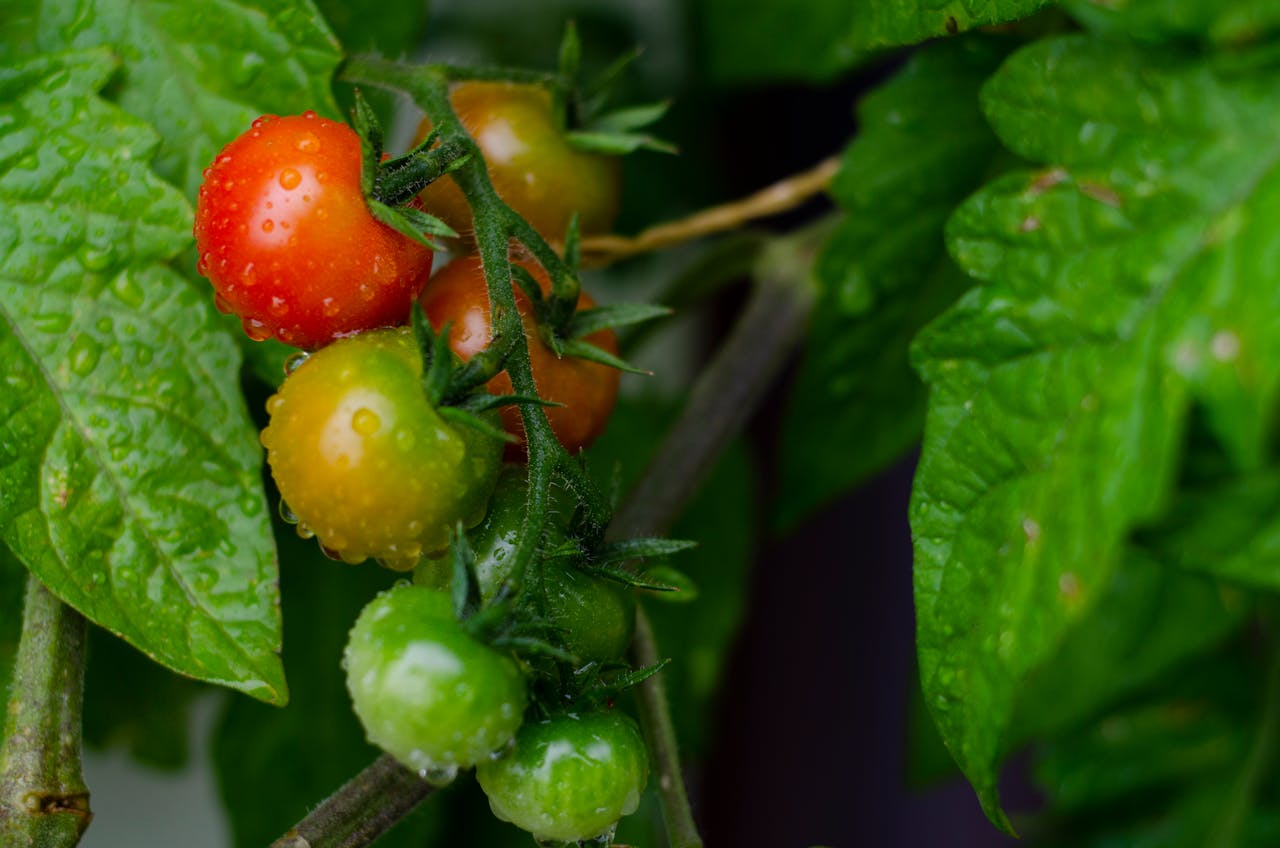
The garden does not reward laziness when it comes to support. Let tomatoes sprawl and beans tangle, and chaos takes over faster than a summer storm rolling across the horizon. Stems snap, fruit rots on damp soil, and suddenly that promising patch looks like a defeated jungle. Strong support changes everything, turning a messy cluster into a vertical masterpiece that breathes, grows, and produces like it means business. The best part? That transformation does not require expensive cages or fancy kits.
Creative gardeners build thriving systems out of almost nothing. With a little imagination and a willingness to repurpose everyday items, even the most budget-conscious grower can create sturdy, reliable support structures. Tomatoes climb with confidence, beans stretch skyward, and every inch of garden space works harder.
The Magic of Stakes: Simple, Strong, and Surprisingly Stylish
A single stake can change the entire trajectory of a tomato plant. Instead of collapsing under its own weight, the plant grows upright, soaking in sunlight and circulating air more effectively. Wooden stakes, bamboo poles, or even straight branches collected from yard cleanup can do the job beautifully without draining a wallet. Push each stake deep into the soil right after planting, because trying to wedge one in later risks damaging roots that have already settled in.
Tie plants gently as they grow, using soft materials like old fabric strips, twine, or even cut-up t-shirts. Tight ties cut into stems, so keep them loose enough to allow movement while still guiding the plant upward. Tomatoes especially benefit from regular tying, since they grow quickly and shift direction in unpredictable ways. Checking ties every few days prevents sagging and keeps everything aligned.
Stakes work best for determinate tomato varieties or smaller bean plants, but they still offer flexibility for larger growers when spaced correctly. Using multiple stakes in a row can create a natural-looking support wall that blends right into the garden. The approach looks clean, functions perfectly, and costs almost nothing when materials come from around the yard. That combination makes staking one of the most reliable tricks in the gardening playbook.
Stakes also encourage better harvesting habits. Fruit hangs at eye level instead of hiding in tangled foliage, which makes picking faster and far more satisfying. Fewer pests find shelter in well-supported plants, and diseases struggle to spread when leaves stay dry and elevated. Every advantage stacks up quickly, all from something as simple as a stick in the ground.
String Trellises: The Budget MVP That Keeps Climbing
String trellises might look minimal, but they deliver serious results. A few lengths of strong twine, secured between a top support and the base of each plant, create a vertical highway for vines to climb. Tomatoes and pole beans grab onto the string naturally, twisting upward with impressive determination. This setup works especially well in raised beds or along fences, where anchor points already exist.
Building one does not require special tools. Hammer a couple of sturdy posts into the ground, run a horizontal line across the top, and drop strings down to each plant. Secure the bottom of each string with a stake or tie it loosely around the plant base. As the plant grows, guide it around the string every few days to keep it moving in the right direction.
String trellises shine in small spaces because they take up almost no room on the ground. That leaves more space for additional plants or companion crops, which boosts overall yield without expanding the garden footprint. The vertical growth also improves airflow, reducing the risk of fungal diseases that thrive in crowded, damp conditions.
Maintenance stays simple with this method. Replace worn strings each season, and reuse the main support structure year after year. The low cost, combined with high efficiency, makes string trellising one of the smartest choices for anyone growing vining crops. It proves that a garden does not need heavy materials to produce strong, healthy plants.
Repurposed Treasures: Turn Junk Into Garden Gold
A pile of old items can transform into a treasure trove of plant supports with the right perspective. That unused ladder leaning against a garage wall can double as a rustic trellis. Wire shelving, discarded fencing, and even bed frames offer sturdy frameworks that vines can grab onto with ease. These materials often hold up better than store-bought options because they were built to handle weight.
Position each item securely before planting, making sure it stands firm against wind and weather. Stability matters more than appearance, although many repurposed supports bring a unique charm that elevates the entire garden. A weathered ladder covered in bean vines creates a striking focal point that feels both practical and artistic.
Repurposed materials also encourage sustainability. Instead of sending usable items to a landfill, gardeners give them a second life in a productive space. That approach reduces waste while saving money, which feels like a win on every level. The garden becomes a place of creativity, where problem-solving leads to better results.
Keep safety in mind when choosing materials. Avoid anything coated in harmful chemicals or treated wood that might leach into the soil. Clean and inspect each item before placing it in the garden to ensure it will not break under pressure. Once everything checks out, those forgotten objects can support a thriving, productive crop without costing a cent.
The Classic Cage Remix: Smarter, Cheaper, Better
Traditional tomato cages often disappoint because they lack height and strength. Plants quickly outgrow them, leaving stems flopping over the sides in a frustrating mess. A simple upgrade fixes that problem without adding much cost. Concrete reinforcing wire or sturdy fencing material can create custom cages that tower over standard versions and actually support heavy growth.
Cut the material into large rectangles, roll them into cylinders, and secure the ends with wire ties. Place each cage over a young plant and anchor it firmly into the soil. The wider diameter allows more room for growth, while the extra height keeps vines contained and upright. Tomatoes thrive in these cages, producing more fruit with less breakage.
These upgraded cages also reduce the need for constant tying. Plants naturally lean against the structure, finding support from multiple angles as they grow. That saves time and keeps maintenance manageable, especially in larger gardens where daily adjustments can become overwhelming.
Storage stays simple, too. Stack the cages together at the end of the season, and they take up minimal space until the next planting cycle begins. With a small upfront effort, this method delivers years of reliable support. It turns a flawed classic into a powerhouse solution that keeps plants strong and productive.
Teepee Trellises: A Backyard Statement That Works Hard
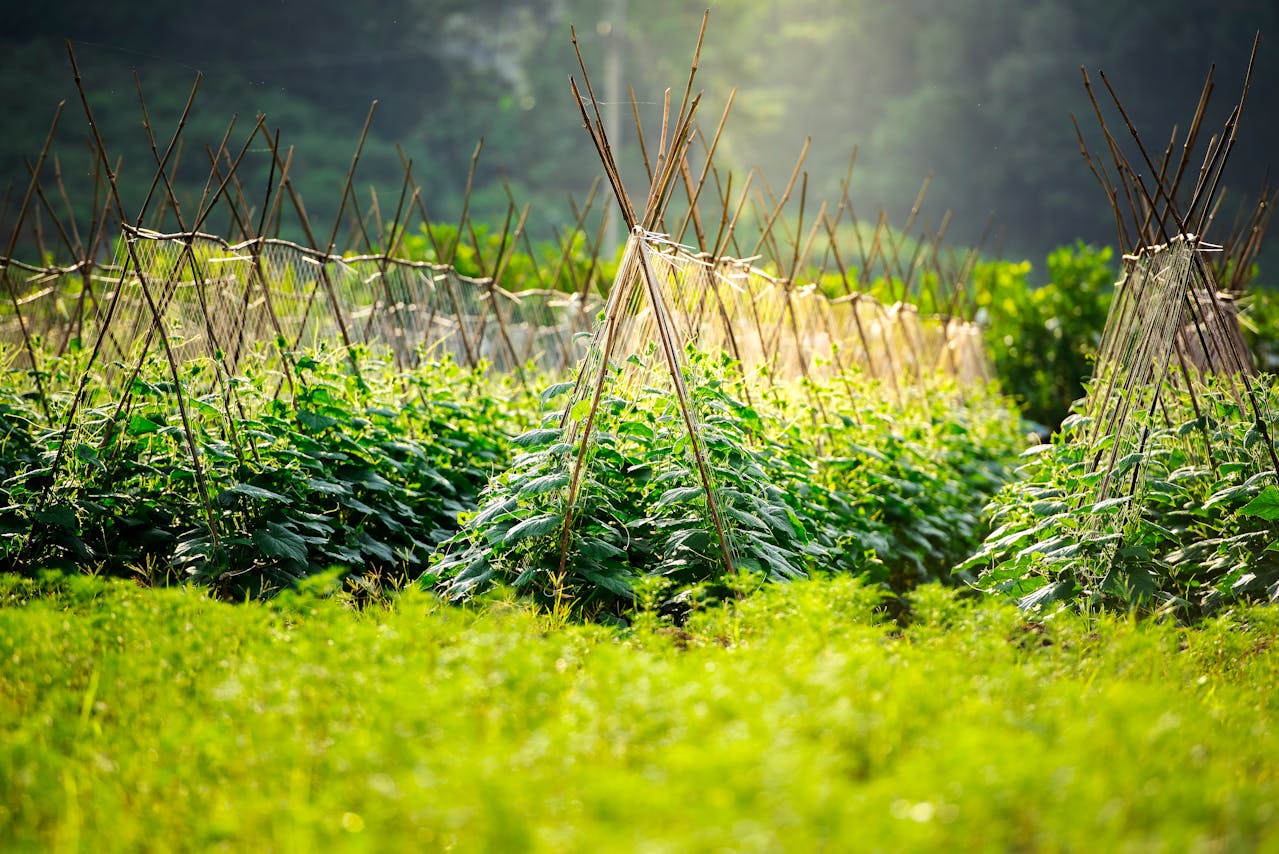
Teepee trellises bring both function and flair to the garden. Three or more poles tied together at the top create a cone-shaped structure that vines love to climb. Beans especially thrive on this setup, wrapping around the poles and filling the space with lush greenery in a matter of weeks. The shape maximizes vertical growth while keeping the base compact.
Building a teepee requires minimal materials. Bamboo poles, long branches, or even PVC pipes can form the structure, and a simple knot at the top holds everything together. Spread the base wide enough to give plants room to grow, then plant seeds around the perimeter. As the vines climb, they create a natural canopy that looks as good as it performs.
This design encourages airflow and sunlight penetration, both of which play a crucial role in healthy plant development. Leaves dry quickly after rain, reducing the chance of disease, while consistent sunlight boosts flowering and fruit production. The result feels like a well-balanced system that supports growth from every angle. Teepee trellises also add personality to the garden. They stand out visually, creating a sense of structure and intention that elevates the entire space. With almost no cost involved, this method delivers both beauty and productivity in equal measure.
Grow Up, Not Out
Vertical gardening unlocks potential that horizontal sprawl simply cannot match. When plants grow upward, they use space efficiently, capture more sunlight, and stay healthier throughout the season. Cheap support systems make that transformation accessible, proving that a thriving garden does not depend on expensive gear. Every stake, string, and repurposed piece plays a role in building a stronger, more productive environment.
Consistency matters just as much as creativity. Checking supports regularly, adjusting ties, and reinforcing structures before problems arise keeps everything running smoothly. A little attention goes a long way, preventing small issues from turning into major setbacks. Strong support leads to stronger plants, and stronger plants deliver better harvests.
What clever, low-cost support ideas have worked best in your garden, and which ones are you excited to try next? We want to hear your thoughts below.
You May Also Like…
Why Some Residents Are Being Fined for Growing Vegetables in the Front Yard
9 Vegetables That Taste Sweeter After Frost
6 Vegetables That Don’t Need Premium Fertilizers
7 Vegetables That Tolerate Cold Starts
Why Some Cities Are Cracking Down on Front Yard Vegetable Gardens Again

Brandon Marcus is a staff writer for FrugalGardening.com at District Media, Inc., where he delivers practical gardening advice with a relatable, no-nonsense style. An avid amateur gardener, he holds a BA degree and with over ten years of professional writing experience, he is also an award-winning published author whose first book, Questions For Deep Thinkers, was released by Adams Media. His work has appeared in major publications including Fandom.com, CHUD.com, TheColdWire.com, and Fansided.com.
Leave a Reply