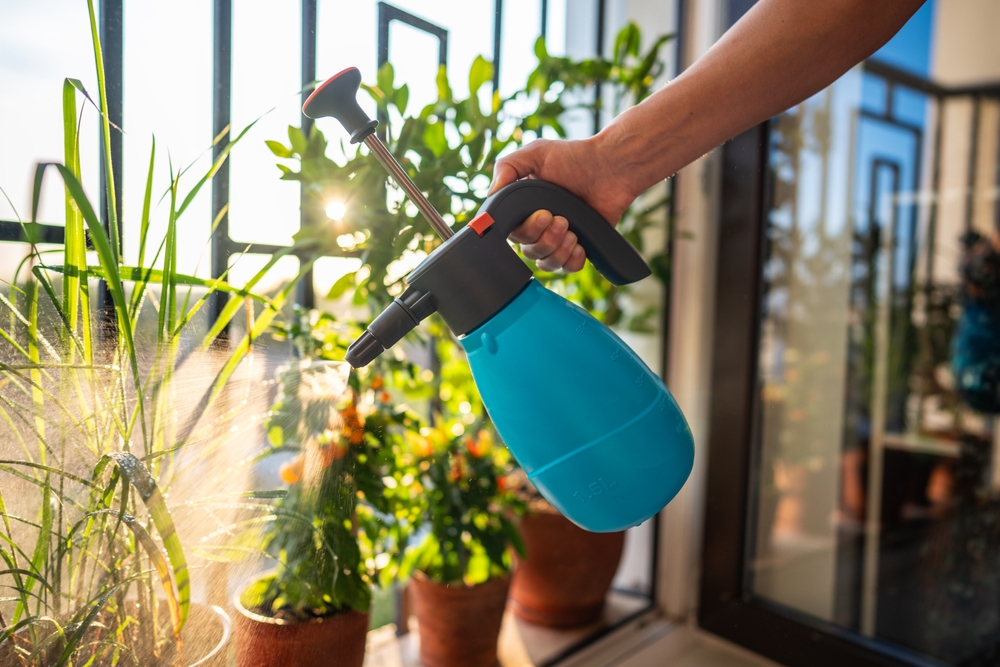
The excitement starts the moment those first green shoots pop through the soil, and suddenly every windowsill turns into a mini greenhouse full of hope, promise, and tiny leaves reaching for the sun. You check them every morning, maybe every afternoon, and definitely every night, because these seedlings feel like your responsibility and your pride.
Watering feels like love, attention, and good gardening instincts rolled into one satisfying ritual. Yet many gardeners unknowingly smother their plants with kindness long before the plants ever feel outdoor air. Overwatering indoor plants does not just cause short-term messes like soggy soil or fungus gnats; it can quietly train plants to struggle once they move outside.
Why Overwatering Happens Indoors
Indoor gardening encourages overwatering because the environment tricks your instincts at every turn. Pots dry more slowly inside, especially when cool air, limited airflow, and shallow light exposure slow evaporation. Grow lights and sunny windows feel intense to humans, but they rarely replicate the drying power of real sunlight and wind.
Many gardeners also water on a schedule rather than responding to what the soil actually needs, which stacks moisture on top of moisture. Every extra splash deprives roots of oxygen, and roots need air just as badly as they need water to function well.
How Too Much Water Weakens Young Plants
Overwatered plants often look healthy at first, which makes the problem sneaky and frustrating. Roots that sit in wet soil stay shallow because they never need to stretch downward in search of moisture. Shallow roots create plants that rely heavily on constant watering rather than resilience. Excess moisture also softens cell walls, which leads to leggy stems that flop or snap under mild stress.
When gardeners later move these pampered plants outside, wind, sun, and temperature swings overwhelm them almost instantly. Plants that never learned how to struggle just a little rarely handle the real world with confidence.
Signs Your Seedlings Get Too Much Water
Plants usually try to tell you when something feels wrong, but their signals can confuse even experienced gardeners. Leaves may turn pale green or yellow even though you provide plenty of nutrients. Stems may look thin, weak, or stretched, especially near the soil line. Soil may smell sour or earthy in an unpleasant way, which signals poor oxygen flow underground.
Algae or mold on the soil surface often appears when moisture lingers too long between waterings. Seedlings may wilt despite wet soil because damaged roots cannot absorb water properly. When several of these symptoms show up together, watering habits deserve immediate attention.
The Right Way To Water Before Plants Go Outside
Smart watering indoors focuses on teaching plants independence rather than constant comfort. Allow the top inch of soil to dry out before reaching for the watering can, even if the plant looks slightly thirsty. Lift pots to feel their weight, since light pots usually need water while heavy pots still hold moisture. Water deeply and thoroughly rather than offering frequent sips, because deep watering encourages roots to grow downward.
Empty saucers after watering, so roots never sit in pooled water. Use containers with drainage holes—or make your own—because standing water suffocates roots faster than almost any other mistake. When you water with intention instead of habit, plants respond with stronger growth and better structure.
How Watering Affects Hardening Off Success
Hardening off challenges plants gently so they adapt to outdoor life, and watering plays a major role in that process. Plants raised in constant moisture often panic when the soil dries faster outside. Slightly drier soil indoors prepares roots for fluctuating conditions outdoors.
Reduced watering also encourages thicker stems that resist wind damage. Plants that manage minor stress indoors activate natural defense mechanisms that boost resilience later. When gardeners water carefully during hardening off, plants transition more smoothly and recover faster from minor setbacks.
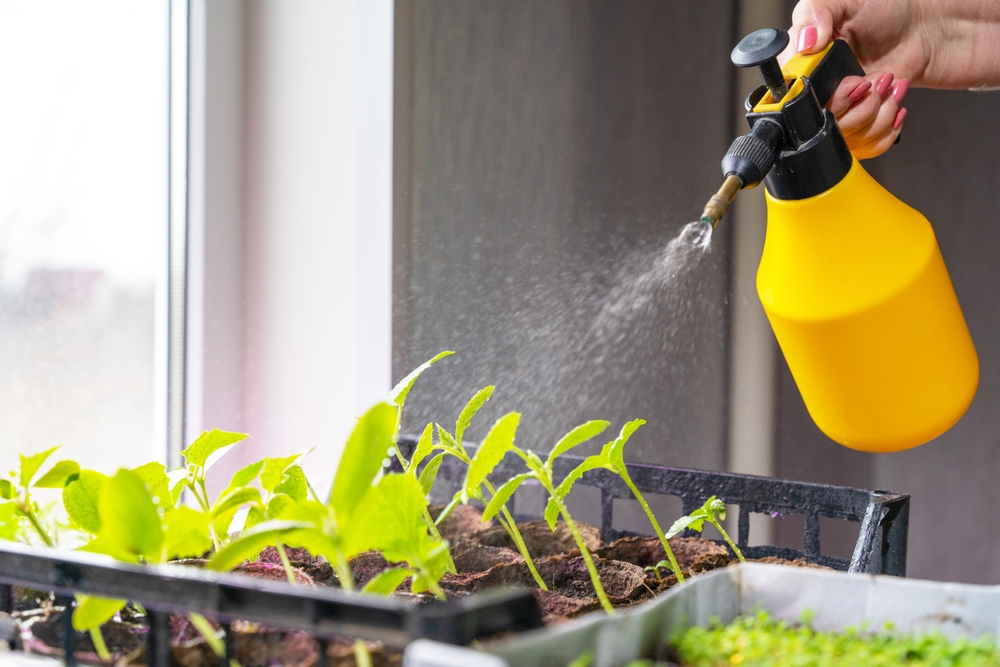
Container Size And Soil Choice Matter More Than You Think
Watering problems rarely exist alone, because containers and soil influence moisture retention dramatically. Oversized pots hold more soil than small roots can manage, which leads to consistently wet conditions. Dense, heavy soils trap water and restrict airflow around roots. Light, well-draining seed-starting mixes support healthy root growth and faster drying times.
Containers with breathable materials like terracotta help moisture evaporate more evenly than plastic. Choosing the right pot and soil combination makes proper watering easier and more forgiving.
Confidence Grows When Watering Gets Balanced
Indoor gardeners often struggle with confidence because overwatering feels safer than underwatering. In reality, most plants recover quickly from mild dryness but struggle to bounce back from root damage caused by excess moisture. Learning to trust the soil and observe plant behavior builds stronger instincts over time.
Every successful adjustment reinforces your ability to read subtle cues rather than follow rigid routines. Plants grown with balanced watering habits develop sturdier roots, thicker stems, and more reliable growth patterns. When you finally move them outdoors, they behave like seasoned travelers rather than fragile houseguests.
Let Your Plants Speak Up
Overwatering before plants go outside may feel generous, but restraint often creates stronger, happier plants in the long run. Plants benefit from thoughtful challenges that encourage deep roots and resilient growth rather than constant comfort. By paying attention to soil moisture, container choices, and plant signals, you give your seedlings the best possible start. Every gardener collects stories about learning the hard way, adjusting habits, and finally finding the right balance.
Feel free to add your experiences, lessons, or surprises in the comments section below, because every growing season teaches something new.
You May Also Like…
10 Winter Watering Rules for Trees and Shrubs
8 Cold-Weather Watering Mistakes That Cause Winter Rot
10 Plants Gardeners Should Always Protect Before It Snows
Master Gardeners Say This Common January Habit Is Killing Houseplants
Why Early Garden Planning Reduces Water Bills Later

Brandon Marcus is a staff writer for FrugalGardening.com at District Media, Inc., where he delivers practical gardening advice with a relatable, no-nonsense style. An avid amateur gardener, he holds a BA degree and with over ten years of professional writing experience, he is also an award-winning published author whose first book, Questions For Deep Thinkers, was released by Adams Media. His work has appeared in major publications including Fandom.com, CHUD.com, TheColdWire.com, and Fansided.com.
Leave a Reply