A plant can look perfectly fine one week and suddenly act like it has given up on life the next. Leaves droop, growth slows, and watering stops working the way it should. That shift doesn’t happen by accident, and it rarely shows up without a reason. Roots, hidden out of sight, often hold the answer. When they run out of space, everything above the soil line starts to feel the squeeze.
Plants thrive on balance, and roots demand room to stretch, branch out, and do their job properly. When that space disappears, plants don’t just get uncomfortable, they start sending signals that something has gone wrong. Catching those signals early can save a plant from stress and bring it right back to thriving. Ignore them, and even the most resilient greenery can stall out in a frustrating way.
The Pot Is Packed: When Roots Take Over Every Inch
Roots don’t politely stop growing when they hit the edge of a pot. They push, circle, and tangle into a dense mass that fills every bit of available space. That packed condition creates what gardeners call “root-bound,” and it shows up more often than people expect. A plant in this state doesn’t have room to expand, which means it can’t absorb water and nutrients efficiently anymore. Growth slows down because the roots simply have nowhere left to go.
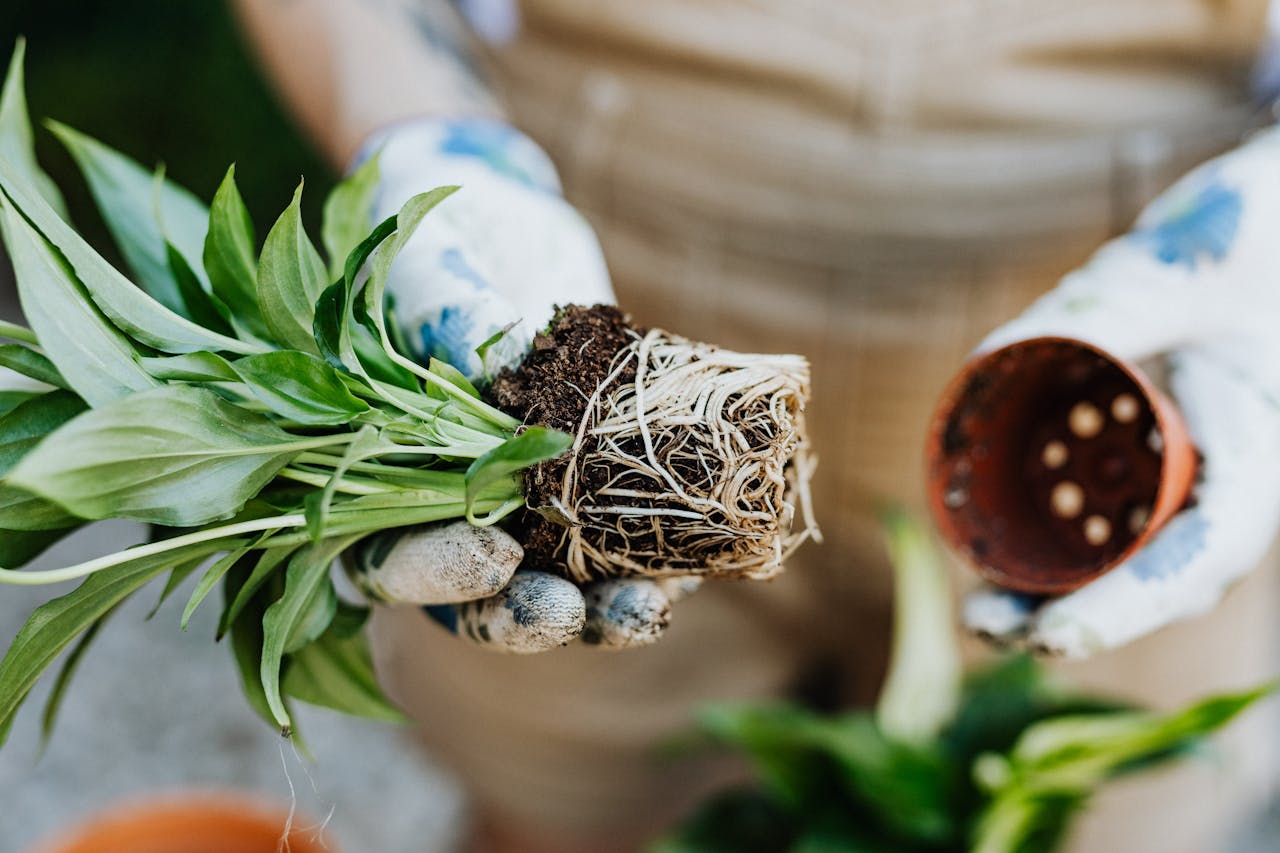
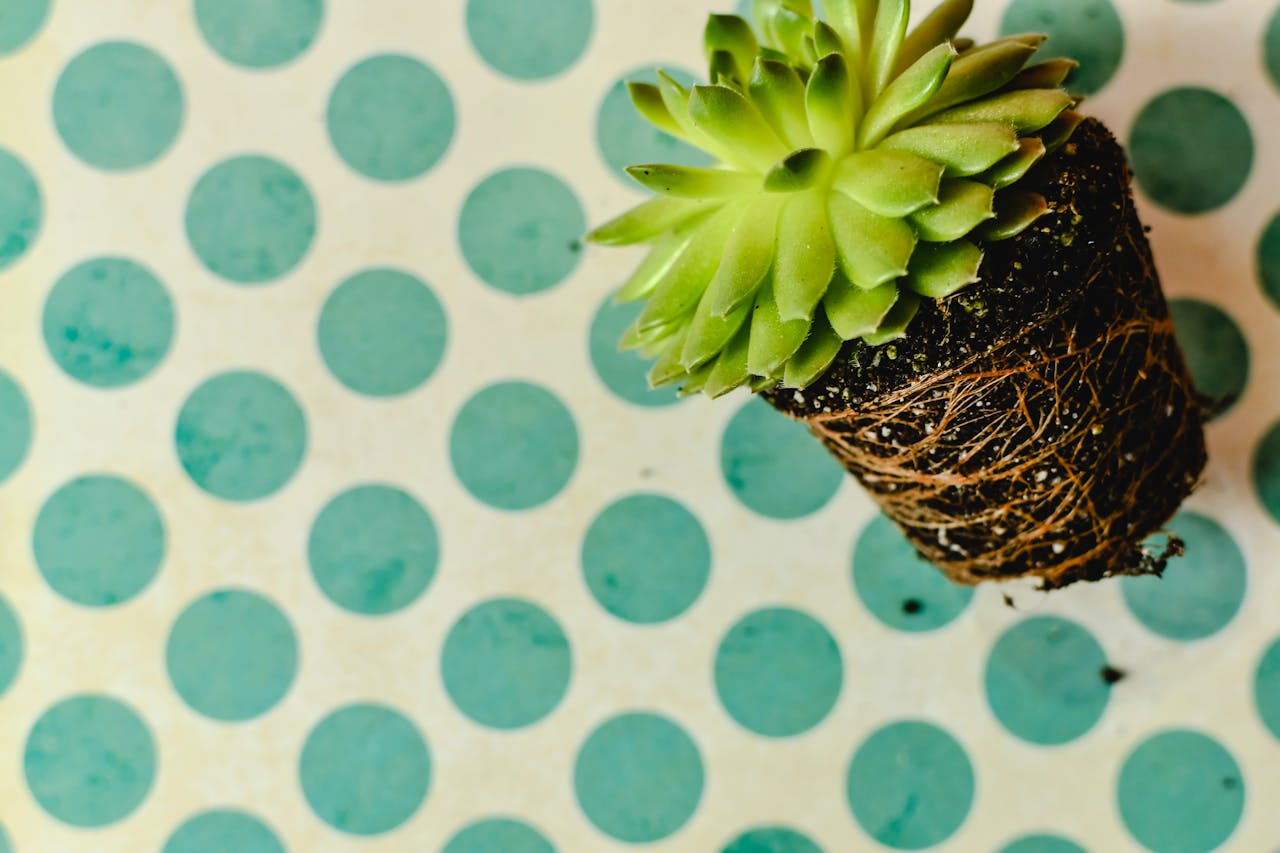
A quick check can reveal a lot. Slide the plant gently out of its pot and look at the root ball. Healthy, spaced-out roots look loose and airy, but a root-bound plant shows tight spirals circling the container’s shape. Those roots often form thick mats that feel solid rather than flexible. In extreme cases, barely any soil remains visible because roots dominate the entire structure. That crowded situation signals that the plant needs more room immediately.
The problem doesn’t stay underground. Leaves may look smaller than usual, and new growth might appear stunted or weak. Some plants even start pushing roots out through drainage holes in a desperate attempt to escape confinement. That visible sign acts like a flashing warning light that shouldn’t get ignored. Giving the plant a larger home at this stage can completely transform its health.
Water Woes: When Soil Dries Out Too Fast or Not at All
Watering becomes unpredictable when a plant turns root-bound. Sometimes the soil dries out shockingly fast because there’s barely any soil left to hold moisture. Other times, water runs straight through the pot without soaking in properly. Both situations create stress because the roots can’t access consistent hydration. That inconsistency leads to leaves wilting even when watering seems regular.
A packed root system disrupts the natural balance between soil and moisture. Soil normally acts like a sponge, holding water long enough for roots to absorb it. When roots take over, that sponge disappears. Water slips through gaps or sits unevenly, leaving parts of the root system dry while others remain soggy. This imbalance can confuse even experienced plant owners who think they’re doing everything right.
Checking how water behaves offers a strong clue. If water pours out immediately after hitting the soil or if the top dries out within a day, the roots likely crowd the pot. Lifting the plant can also reveal something unusual. A root-bound plant often feels lighter than expected because soil volume has decreased. That small observation can point directly to a bigger issue below the surface.
Leaves Don’t Lie: The Above-Ground Warning Signs
Plants communicate through their leaves, and root-bound stress shows up in ways that don’t stay subtle for long. Yellowing leaves often appear first, especially near the bottom of the plant. That color change signals that nutrients aren’t reaching all parts of the plant effectively. As the condition continues, leaves may drop more frequently than usual, even when watering stays consistent.
Growth patterns also shift in noticeable ways. A plant that once pushed out new leaves regularly might suddenly stop producing them. Existing leaves can look dull, lifeless, or smaller than expected. Some plants even develop brown tips or edges, which often get mistaken for watering issues but actually stem from root stress. Paying attention to these changes helps connect the dots before the plant declines further.
In flowering plants, blooms may become scarce or disappear entirely. The plant simply doesn’t have the energy to support flowering when roots struggle to function. That shift can feel frustrating, especially after a plant has thrived for a long time. Recognizing that roots drive all of this growth helps make sense of what’s happening. Fix the roots, and everything above them has a chance to recover.
The Pot Test: Simple Checks That Reveal the Truth
A few easy checks can confirm whether a plant has outgrown its container. One of the most reliable methods involves gently tipping the pot and sliding the plant out just enough to inspect the roots. If the plant resists or feels stuck, that resistance often comes from tightly packed roots pressing against the sides. That alone can indicate that it’s time for a change.
Another simple test involves observing how quickly the plant drinks water. Plants that need watering more frequently than before often signal that roots have taken over. That rapid drying doesn’t happen randomly. It points to reduced soil volume and increased root density. Keeping track of watering patterns can reveal this shift without even removing the plant from its pot.
Drainage holes also tell a story. Roots poking out from the bottom don’t just look messy, they show that the plant has run out of internal space. Some plants even push roots upward, creating visible loops on the soil surface. Those signs leave little doubt about what’s happening below. Acting quickly at this stage can prevent more serious stress and keep the plant on track.
Repotting Rescue: Giving Roots Room to Breathe Again
Repotting offers the fastest way to fix a root-bound plant, and timing makes a huge difference. Moving the plant into a slightly larger pot—usually one or two inches wider—gives roots space without overwhelming them. A pot that’s too large can hold excess moisture, which creates new problems. Choosing the right size keeps everything balanced and manageable.
Before placing the plant in its new home, loosening the roots helps them adjust. Gently teasing apart the outer roots breaks up tight spirals and encourages new growth outward. This step might feel risky, but it actually supports healthier development. Fresh soil also plays a key role, providing nutrients and improving water retention. Skipping that step can limit the benefits of repotting.
After repotting, consistent care helps the plant settle in. Water thoroughly, but avoid overwatering while roots adjust to their new space. Keep the plant in a stable environment with good light and airflow. Within a few weeks, signs of recovery usually appear through stronger growth and healthier leaves. That transformation shows just how much roots influence the entire plant.
Give Those Roots Some Freedom and Watch the Magic
Healthy plants don’t just happen by chance. They respond to attention, observation, and a willingness to act when something feels off. Root-bound conditions might seem hidden, but the signs show up clearly once you know where to look. From circling roots to unpredictable watering and stressed leaves, every clue points toward the same issue. Catching those signs early can turn a struggling plant into a thriving one again.
What’s the most surprising sign of a root-bound plant that you’ve noticed, or do you have a go-to trick for checking roots without making a mess? Share your thoughts, tips, or plant rescue stories in our comments section.
You May Also Like…
Tips for Growing Strong Roots in Tight, Compacted Soil
Planting Depth Errors That Prevent Roots From Developing Properly
How to Protect Roots From Late Frosts Without Covers
7 Mulch Moves That Prevent Freeze Damage to Roots
Why Late Fall Watering Saves Roots From Damage

Brandon Marcus is a staff writer for FrugalGardening.com at District Media, Inc., where he delivers practical gardening advice with a relatable, no-nonsense style. An avid amateur gardener, he holds a BA degree and with over ten years of professional writing experience, he is also an award-winning published author whose first book, Questions For Deep Thinkers, was released by Adams Media. His work has appeared in major publications including Fandom.com, CHUD.com, TheColdWire.com, and Fansided.com.
Leave a Reply