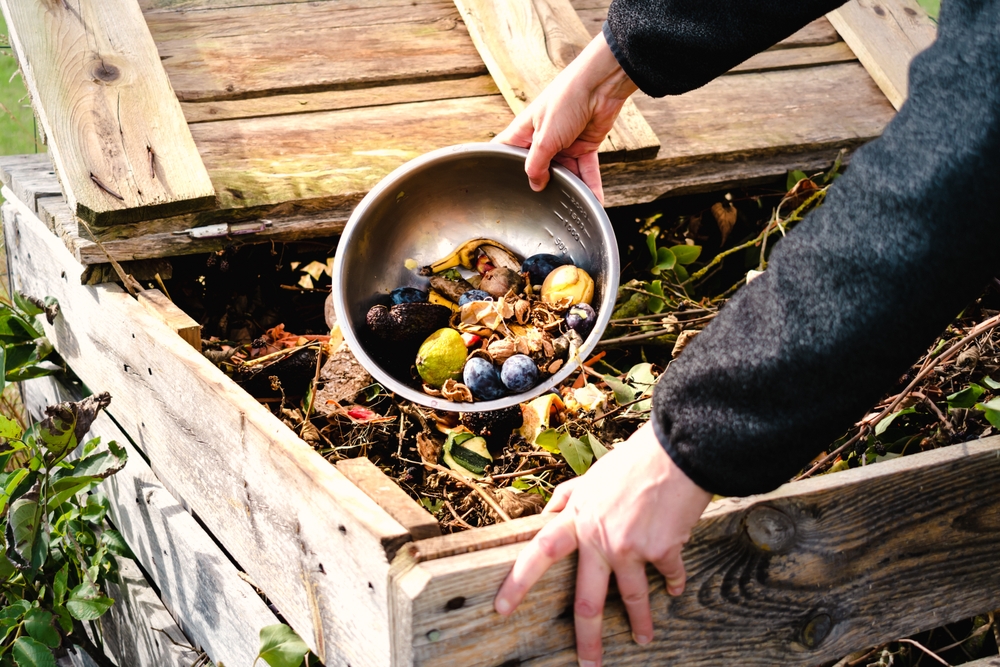
Composting is one of the most satisfying DIY projects out there — it reduces waste, enriches soil, and makes you feel like you’re doing something good for the planet. But studies have thrown a surprising twist into the mix: some DIY compost piles may be harboring dangerous bacteria, including strains that can cause illness if handled improperly.
Before you panic and sprint to the backyard with a flamethrower, take a breath. Composting is still safe, still beneficial, and still one of the best things you can do for your garden. But like any biological process, it comes with risks — especially when the compost doesn’t reach high enough temperatures or contains materials that shouldn’t be there in the first place.
Some Compost Piles Aren’t Getting Hot Enough
Analyzing samples from home compost bins has found that several contained bacteria commonly associated with foodborne illness, including E. coli and Salmonella. These bacteria aren’t new to the composting world — they’re naturally present in many raw food scraps and yard materials. The issue arises when compost piles fail to reach the temperatures needed to kill them.
A well‑managed compost pile can heat up to 130–160°F, which is hot enough to destroy most harmful pathogens. But many backyard piles never get close to that range. Small piles, dry piles, or piles that aren’t turned regularly tend to hover at much lower temperatures. When that happens, bacteria can survive and even multiply.
When done correctly, composting is safe. When done haphazardly, it can create conditions where harmful microbes persist.
Why DIY Compost Can Become a Breeding Ground for Bacteria
Compost is essentially a buffet for microorganisms. They feast on organic matter, break it down, and generate heat in the process. But if the balance of ingredients is off, the pile can become a haven for bacteria you don’t want.
One of the biggest culprits is adding materials that shouldn’t be composted at home. Meat, dairy, oily foods, and pet waste can introduce pathogens and attract pests. Even vegetable scraps can carry bacteria if they come into contact with contaminated surfaces before being tossed into the bin.
Another issue is airflow. Compost needs oxygen to heat up properly. When a pile becomes compacted or soggy, it shifts into anaerobic decomposition, which not only smells terrible but also creates conditions where harmful bacteria can thrive.
Experts Say the Fix Is Simple: Compost Like a Pro
You don’t need a degree in microbiology to keep your compost safe. Experts emphasize that a few simple habits can dramatically reduce the risk of harmful bacteria surviving in your pile.
First, aim for the right balance of “greens” and “browns.” Greens include food scraps and fresh yard waste, while browns include dried leaves, cardboard, and straw. A roughly 1:3 ratio of greens to browns helps maintain proper moisture and airflow.
Second, turn your compost regularly. This introduces oxygen, distributes heat, and helps the pile reach pathogen‑killing temperatures. Even turning it once every week or two makes a big difference.
Third, monitor moisture. Compost should feel like a wrung‑out sponge — damp but not dripping. Too much water cools the pile and encourages anaerobic bacteria.
What Gardeners Should Do Before Handling Finished Compost
Even well‑managed compost can contain small amounts of bacteria, which is why experts recommend basic precautions when handling it. Wear gloves, especially if you have cuts or scrapes on your hands. Wash your hands afterward. Avoid inhaling dust from dry compost, as it can irritate your lungs.
If you’re using compost on edible plants, apply it to the soil — not directly onto leaves or fruits. This reduces the chance of contamination. And if you’re growing root vegetables, consider washing and peeling them before eating, even if they were grown in your own backyard.
Compost Is Amazing — Just Treat It With Respect
Composting is one of the most rewarding parts of gardening. It turns waste into nourishment, improves soil structure, and supports a thriving ecosystem right in your backyard. But like any natural process, it works best when you understand what’s happening beneath the surface.
Do these findings make you rethink your composting habits, or are you already a backyard compost pro? Give us your insight in our comments section.
You May Also Like…
Is Composting at Home Still the Cheapest Soil Option?
8 Winter Compost Additives That Speed Up Breakdown
Wildlife Officials Say This Popular Bird Feeder Setup Is Spreading Disease
Why Garden Composting in Winter Works Better Than You Think
Use These 8 Winter Composting Tips for Gardeners

Brandon Marcus is a staff writer for FrugalGardening.com at District Media, Inc., where he delivers practical gardening advice with a relatable, no-nonsense style. An avid amateur gardener, he holds a BA degree and with over ten years of professional writing experience, he is also an award-winning published author whose first book, Questions For Deep Thinkers, was released by Adams Media. His work has appeared in major publications including Fandom.com, CHUD.com, TheColdWire.com, and Fansided.com.
Leave a Reply