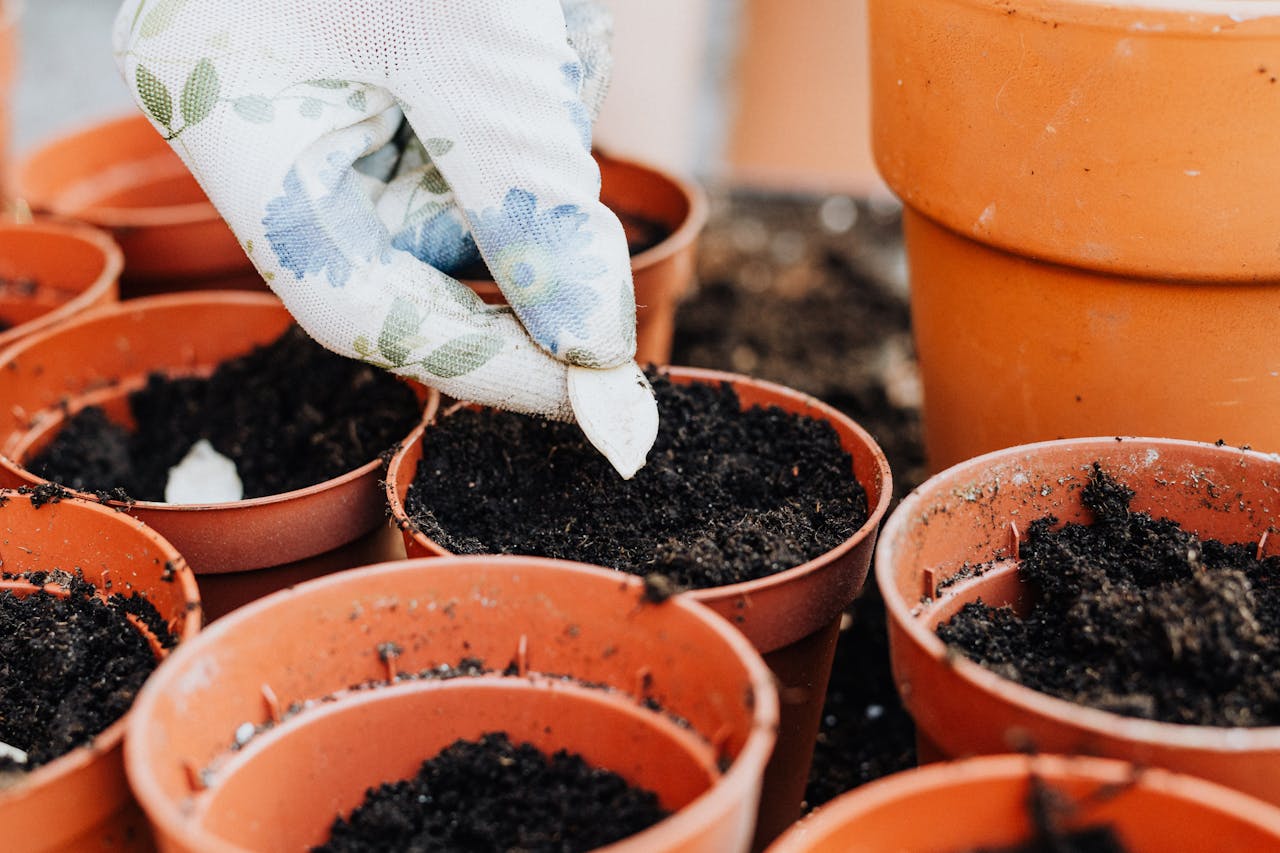
Gardening is more than digging dirt and watering plants—it’s a masterclass in patience, strategy, and a little bit of magic. Imagine the thrill of growing vegetables, flowers, and herbs from seeds you’ve harvested yourself. Every packet of store-bought seeds you skip is money saved, and every seed you nurture is a victory. Seed-saving isn’t just for frugal gardeners; it’s an eco-friendly, smart way to stay connected to the rhythm of your garden while controlling exactly what grows each year.
The joy of seed-saving doesn’t stop at your wallet. It turns your garden into a mini archive of flavors, colors, and textures that can evolve season after season. Once you understand a few simple techniques, you’ll start seeing your garden as a living library of possibilities. Each tomato, sunflower, or zucchini you grow carries the potential to produce seeds for the next year, letting your garden expand organically, one generation at a time.
1. Pick the Perfect Plants for Saving
Start with plants that love passing their traits on. Tomatoes, peppers, beans, and lettuce are perfect for beginners because their seeds store well and germinate reliably. Focus on plants that have matured fully in your garden; these are more likely to produce seeds that thrive next season. Avoid seeds from plants that are diseased, misshapen, or stunted. Genetics matter here—saving seeds from strong, healthy plants helps ensure your next crop is vigorous and productive.
Variety matters, too. Keep track of the different cultivars in your garden, because a seed saved from a hybrid may not produce the same plant next year. Open-pollinated and heirloom varieties are your best bets for consistent results, producing offspring true to type. Choosing wisely at the start means less heartbreak when seedlings sprout next spring, giving you more confidence in your garden’s legacy. Treat your garden like a seed bank in miniature, and you’ll be amazed at the options you can preserve for years to come.
2. Let Nature Do Its Thing
Timing is everything. Allow fruits, pods, and flowers to fully ripen before harvesting seeds. Tomatoes should get deep and rich in color, beans need their pods to dry on the vine, and sunflowers should droop and brown naturally before collecting seeds. Rushing this process can mean underdeveloped seeds that struggle to germinate.
Nature has a rhythm, and observing it closely improves success rates. Leaves, stems, and pods provide clues—if they’re crisp and brown, seeds are likely ready. Avoid washing off all of a fruit’s pulp too early; some fruits need a little fermentation to release viable seeds. This stage feels like slow gardening magic: patience pays off, and the payoff is a pile of seeds with true potential, ready to carry your garden’s story into the next season.
3. Keep Seeds Dry and Cool
Moisture is the enemy of saved seeds. Once seeds are collected, spread them on paper towels, coffee filters, or trays to dry completely for at least a week. Avoid sunlight that’s too harsh, which can degrade the seeds’ viability. Store them in airtight containers in a cool, dark place—think cupboards, drawers, or even a mini fridge for long-term storage.
Temperature and dryness aren’t just technical concerns; they determine whether your seeds will sprout or sulk next season. Humidity can trigger mold or premature germination, turning all your work into disappointment. Label your containers carefully with the seed type and collection date. A little organization now saves a lot of frustration later, and the excitement of planting perfectly preserved seeds is unmatched.
4. Use Simple Tools for Cleaning
Cleaning seeds may sound like a chore, but it’s easier than most imagine. Beans and peas can be rubbed gently to separate seeds from pods, while tomato seeds can ferment in water for a few days to remove the pulp naturally. Lettuce and carrot seeds often need sieving to remove chaff and debris. A bit of care here makes germination much more reliable.
You don’t need fancy equipment—just patience and basic kitchen tools. Coffee filters, mesh screens, and small bowls are enough to turn messy seed clusters into neat, ready-to-store treasures. Cleaning seeds properly protects them from mold, insects, and accidental rot, making every seed you save a solid investment in next year’s harvest. Doing this little ritual can feel oddly satisfying, almost like prepping ingredients for a secret recipe only your garden knows.
5. Rotate Your Seeds
Keeping your garden’s genetics fresh matters. Seeds don’t last forever, and planting the same seed every year without refreshment can reduce vigor. Rotate your saved seeds with new purchases occasionally, or exchange with other gardeners to maintain diversity. This keeps crops strong, flavorful, and resilient to pests or weather shifts.
Rotation isn’t just about genetics—it’s about experimentation and growth. Trying new seeds keeps gardens dynamic, allowing you to discover unexpected flavors or colors. Even minor variations in planting strategy—different beds, spacing, or sun exposure—can influence seed viability. Think of rotation as a way to preserve history while inviting novelty. Your garden becomes a lively experiment that evolves naturally, and every season presents new possibilities.
6. Label and Track Everything
A simple notebook or spreadsheet can transform chaotic seed jars into a well-oiled gardening system. Record the plant variety, harvest date, and any notes about plant health or growth quirks. Label every jar and envelope; without this step, you might forget whether that packet contains basil from June or peppers from August.
Tracking seeds also encourages reflection. Over time, patterns emerge—some varieties thrive in certain conditions, while others might falter. Detailed notes help refine future planting strategies, making your garden smarter, year by year. Organization turns saving seeds from a guessing game into a science with consistent, repeatable results.
7. Experiment With Storage Methods
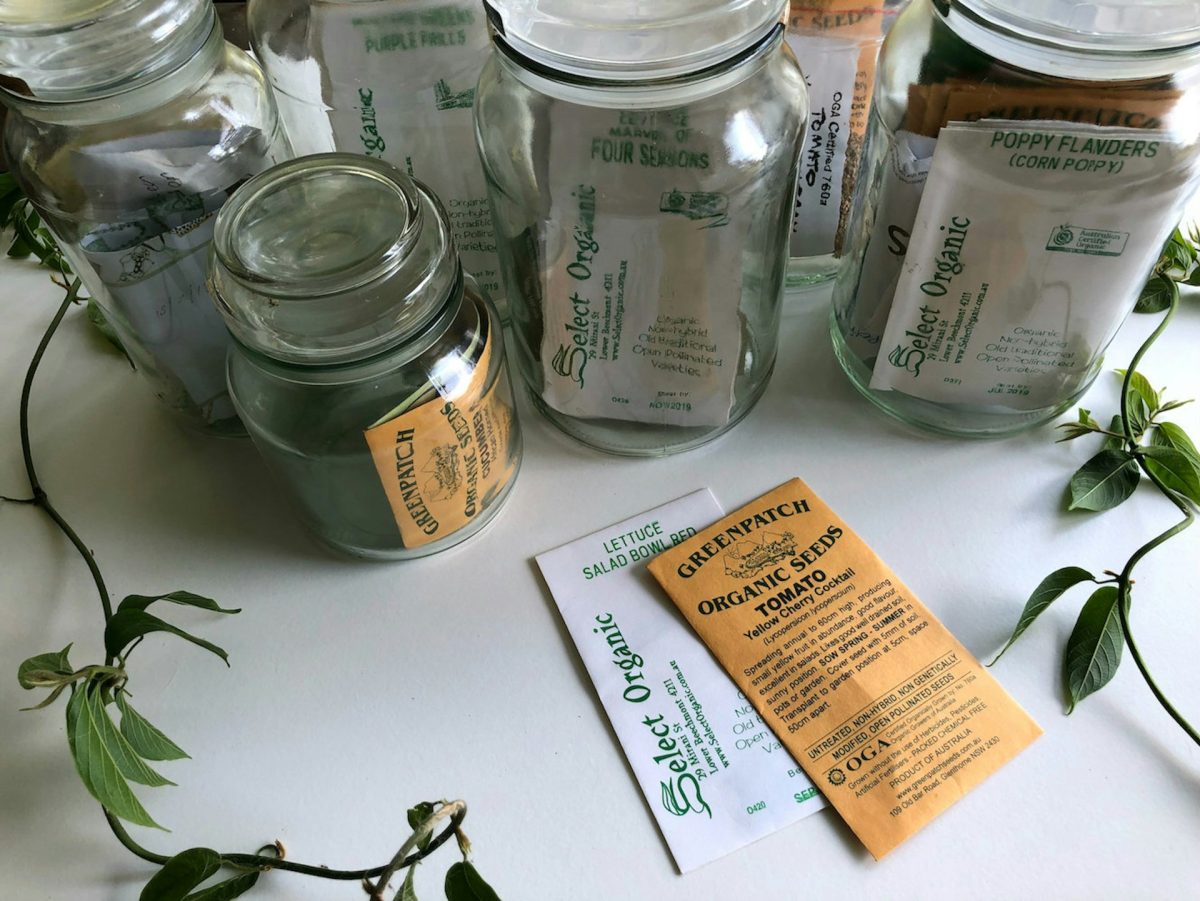
Seeds can be surprisingly adaptable when stored creatively. Glass jars, paper envelopes, vacuum-sealed bags, or even repurposed spice containers all work if kept dry and cool. Some gardeners use silica gel packets to ensure total dryness, especially for small seeds like basil or parsley. A little experimentation reveals what works best for each plant type.
Exploring storage methods is also fun—it turns your seed collection into a mini science project. You can see firsthand which techniques extend seed life for years versus which fail in weeks. It’s a satisfying blend of gardening and ingenuity, and it keeps the seed-saving habit exciting rather than routine.
8. Celebrate Your Seed Success
Saving seeds isn’t just about economy—it’s about connection. Each seed represents a season’s worth of care, growth, and observation. Sharing seeds with neighbors or friends creates a community of gardeners who continue the cycle of life and flavor. Watching these seeds sprout the following season is deeply rewarding, like meeting old friends who’ve grown in unexpected ways.
Celebrate your victories, no matter how small. Even a tiny jar of successfully saved carrot seeds is a triumph of patience, planning, and observation. Your garden literally carries your touch from season to season, a living archive of effort and discovery. This connection makes every meal, bouquet, or harvest moment richer because it carries the story of persistence, care, and curiosity.
Grow Smarter, Save More, Repeat
Seed-saving transforms a garden from a seasonal hobby into a sustainable, creative endeavor. Every jar, envelope, and labeled container becomes a toolkit for next year’s successes. Learning to pick the right plants, time the harvest, dry and clean seeds, and track storage turns the mundane into an adventure. The beauty of it lies in its simplicity: patience, observation, and a willingness to experiment bring enormous rewards.
What’s your favorite seed-saving success story or a clever method you’ve discovered? Share your strategies, tips, or even funny mishaps in the comments because gardening thrives on shared wisdom and inspiration.
You May Also Like…
Why Some Seeds Never Germinate and How to Improve Your Success Rate
The Little-Known Secret to Strong, Healthy Seedlings That Costs Almost Nothing
How to Strengthen Seedlings Without Buying Products
How to Save Seeds Instead of Buying New Packets
The Cheap Seed Starting Tray That’s Warping Roots and Killing Crops

Brandon Marcus is a staff writer for FrugalGardening.com at District Media, Inc., where he delivers practical gardening advice with a relatable, no-nonsense style. An avid amateur gardener, he holds a BA degree and with over ten years of professional writing experience, he is also an award-winning published author whose first book, Questions For Deep Thinkers, was released by Adams Media. His work has appeared in major publications including Fandom.com, CHUD.com, TheColdWire.com, and Fansided.com.
Leave a Reply