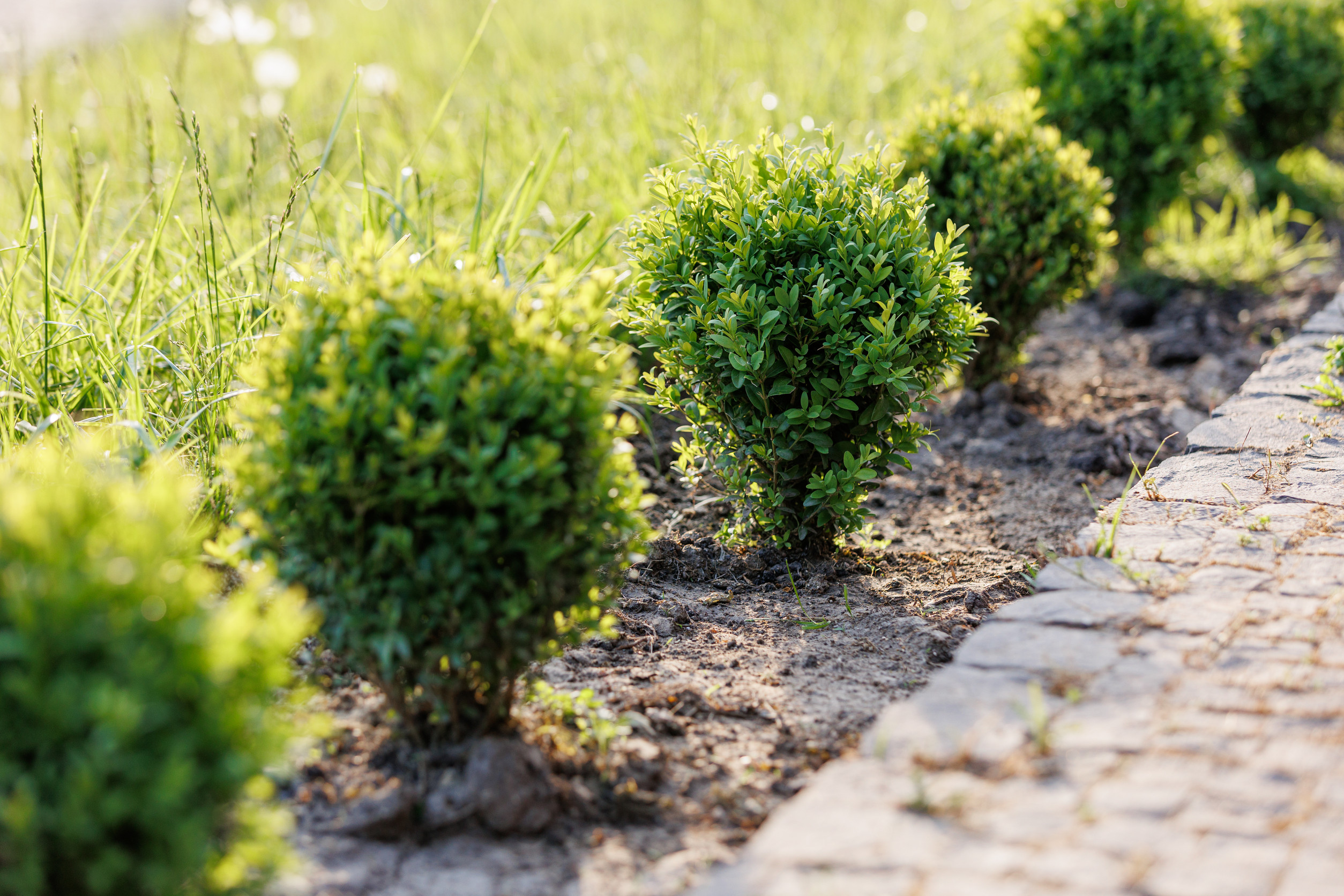
Many homeowners plant shrubs for privacy or curb appeal. While they are relatively low-maintenance, there is a hidden cost. Some shrubs, while attractive, quietly attract or shelter invasive insects. These insects can damage not only the plant itself but also nearby gardens, trees, and ecosystems. Ultimately, it creates a headache for you. Here we’ll highlight seven innocent-looking shrubs that harbor invasive insects.
1. Burning Bush (Euonymus alatus)
Burning Bush is popular for its bright red fall foliage. You may love the color, but did you know this bush can create pest problems? This shrub is known to attract scale insects that spread quickly and are hard to manage. Scale insects weaken plants and can transfer to nearby trees. Be aware, they are also toxic to people and pets.
2. Japanese Barberry (Berberis thunbergii)
Dense growth and simple leaf clusters make Japanese Barberry a favorite hedge. This shrub can grow anywhere from 3′ to 7′ and is invasive in nature. Many states have banned barberry sales because of this. It also harbors ticks and leafminers, creating health and garden risks. Barberry’s thorny cover protects insect populations, perpetuating the issue. As a result, Japanese Barberry is a major problem shrub in many regions.
3. Privet (Ligustrum spp.)
Privet has been used in formal hedges for decades. But it has a very bad reputation for being unruly and hard to manage. It seeds wildly in every direction and takes over your garden. Plus, the shrub hosts whiteflies and mealybugs, which spread to ornamentals. Privet’s dense foliage creates a breeding ground for infestations. Chemical control may be the only option to solve the issues this shrub creates.
4. Viburnum (Certain species)
Some viburnums are hardy, but invasive beetles target them. Watch out for Snowball, Mapleleaf, Arrowwood, Southern Blackhaw, and Korean Spice varieties. Their nectar attracts beetles. Viburnum leaf beetles can strip shrubs bare in weeks. Infestations will spread fast once established. In addition, it’s very easy to confuse healthy and infested varieties.
5. Rose of Sharon (Hibiscus syriacus)
Rose of Sharon are beloved for their summer blooms. On the positive side, the shrub has long-lasting blooms, is low-maintenance, drought-tolerant, and deer-resistant. But it attracts Japanese beetles that devastate leaves and flowers. These infestations often spill over into vegetable gardens. Maintaining Rose of Sharon and keeping bugs at bay becomes a constant battle.
6. Spirea (Certain varieties)
Spirea’s compact size makes it a common landscape plant. However, aphids thrive on its tender shoots. Heavy infestations of aphids can cause leaf curl and spread to nearby plants. Gardeners often underestimate aphid damage until it’s too late.
7. Forsythia (Forsythia spp.)
Forsythia is celebrated for its bright spring flowers. Yet, it provides shelter for invasive scale insects and aphids. Infestations of scale insects and aphids weaken shrubs and surrounding plantings. This makes Forsythia deceptively cheerful but pest-prone.
Why Shrub Choices Matter as Much as Flowers
Attractive shrubs often hide costly problems that are hard to manage. Gardeners must weigh beauty against the risk of harboring invasive insects. Choosing native or pest-resistant plants can reduce long-term maintenance and headaches. A smart garden isn’t just pretty; it’s pest-resilient.
You May Also Like…
- 8 Lawn Treatments That May Be Killing the Pollinators You Need
- 10 Gardening Habits That Are Actually Destroying Your Soil
- 7 Innocent-Looking Plants That Are Banned in Some States
- 5 Bugs in Your Garden That Could Be Destroying Your Home’s Foundation
- 10 Common Garden Plants That Are Actually Invasive Species

Teri Monroe started her career in communications working for local government and nonprofits. Today, she is a freelance finance and lifestyle writer and small business owner. In her spare time, she loves golfing with her husband, taking her dog Milo on long walks, and playing pickleball with friends.
Leave a Reply