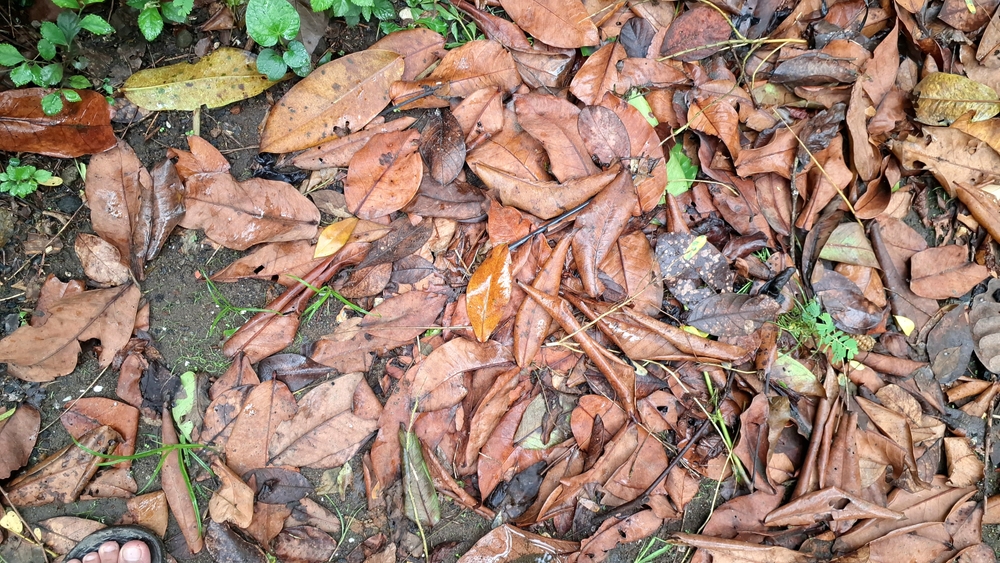
Autumn is coming, and the ground will soon be blanketed in colorful leaves. Many people see piles of fallen leaves and think “trash,” but savvy gardeners know there’s hidden treasure under those crunchy layers. Leaf mold, the dark, crumbly substance created when leaves break down naturally, is like a secret superfood for your soil. It’s not flashy like compost, but it quietly enriches your garden in ways that chemical fertilizers can’t touch.
If you want your plants to thrive next season, learning to make and use leaf mold is one of the smartest moves you can make today.
Why Leaf Mold Is Gardening Gold
Leaf mold is essentially nature’s slow-motion compost. Unlike regular compost, it focuses almost exclusively on leaves, which break down into a lightweight, nutrient-rich material. This spongy, crumbly substance improves soil structure, retains moisture, and encourages beneficial microorganisms to thrive. What’s fascinating is how unassuming it looks—it’s not flashy, but the effect on your garden is profound. Using leaf mold is like giving your plants a secret weapon they didn’t know they needed.
It also boosts soil fertility without risking over-fertilization. Because leaves are naturally balanced in nutrients, they feed your garden slowly and evenly. Over time, this creates a healthier ecosystem in your garden, reducing the need for synthetic chemicals. Leaf mold doesn’t just enrich the soil; it helps it breathe, making roots stronger and more resilient. For gardeners looking for long-term results, it’s pure gold.
Collecting Leaves Without The Stress
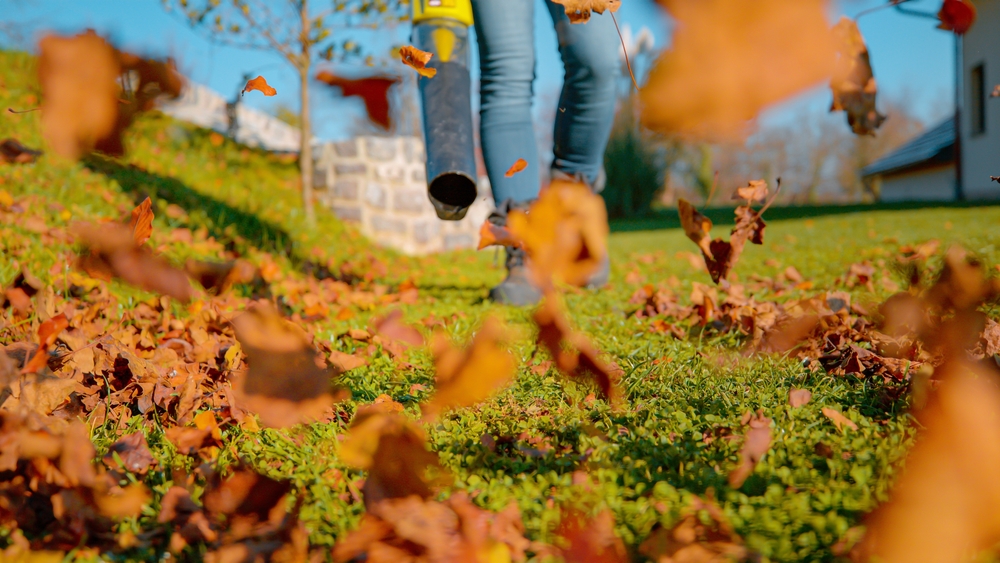
The first step to leaf mold success is gathering the right materials. Fallen leaves can be collected with a rake, a leaf blower, or even by hand if you enjoy that kind of meditative yard work. Avoid leaves that are diseased or covered in pesticides, because they can harm the final product. Mixing different types of leaves can enhance the nutrient profile, giving your soil a more balanced boost. Don’t worry about shredding them, though it speeds up decomposition—it’s not mandatory.
Timing matters, too. Start collecting leaves early in the fall, and make sure they’re dry when you pile them. Wet, compacted leaves can become slimy and smelly, which slows down the decomposition process. You don’t need a perfect pile; even imperfectly gathered leaves will turn into valuable leaf mold eventually. The key is patience and letting nature do the work. The more leaves you collect, the more leaf mold you’ll have ready for next year’s garden.
How To Make Leaf Mold Fast And Efficiently
Making leaf mold is mostly about giving leaves the right environment to break down naturally. Pile your leaves in a corner of the yard, a bin, or even a mesh bag to contain them without restricting airflow. The decomposition process takes time—usually around one to two years—but occasionally turning or shredding the leaves can speed things up. Moisture is essential; leaves should be damp, like a wrung-out sponge, to encourage microbial activity. Too dry, and decomposition slows; too wet, and it can get slimy.
It’s worth noting that patience pays off in flavor for your garden. Unlike quick compost methods, leaf mold develops slowly, allowing fungi and microbes to fully break down the leaves. These organisms create a humus-rich material that improves soil structure in a way standard compost sometimes doesn’t. Turning the pile a few times a year introduces oxygen and prevents compaction, which accelerates the process. By next growing season, you’ll have a rich, dark, spongy soil amendment ready to work wonders.
Applying Leaf Mold In Your Garden
Once your leaf mold is ready, it’s time to unleash the magic. You can spread it directly on garden beds as a top dressing or mix it into the soil to improve aeration and moisture retention. It’s perfect for flower beds, vegetable gardens, and even potted plants. The spongy texture allows roots to penetrate easily and keeps water near the root zone longer. You’ll notice healthier, more vibrant plants with less watering stress and stronger root systems.
Leaf mold also helps with soil that’s heavy in clay or sandy. In clay soils, it loosens compacted areas, improving drainage. In sandy soils, it acts like a sponge, holding nutrients and water for plants. Its versatility makes it an essential tool for gardeners in any region. The best part? It’s completely natural and free, turning what was once waste into a valuable asset.
Leaf Mold And Environmental Benefits
Using leaf mold is more than just good for your garden—it’s good for the planet. Instead of bagging leaves and sending them to landfills, where they release methane as they decompose anaerobically, you can recycle them into a resource that nurtures new life. Leaf mold reduces the need for chemical fertilizers, which often pollute waterways. It encourages biodiversity in the soil by fostering a healthy microbial community. Essentially, by making leaf mold, you’re helping the earth while also helping your garden.
It’s a small act with a big ripple effect. Healthy soil absorbs more water, reduces erosion, and supports the local ecosystem. Even birds and beneficial insects will benefit from gardens enriched with leaf mold. It’s a simple, sustainable practice that gardeners can adopt with almost no effort. The environmental payoff is an added bonus to the already impressive results in your yard.
Tips To Perfect Your Leaf Mold Process
While leaf mold is forgiving, a few tips can make it even better. Shredding leaves before piling them accelerates decomposition, creating usable mold faster.
Keep your piles moist but not soggy, checking periodically to ensure they don’t dry out. Rotate or turn the pile once in a while to maintain airflow and prevent compaction. Mixing in a small amount of garden soil introduces helpful microbes that kickstart the process. And remember, the bigger the pile, the more heat is retained, which encourages faster breakdown without much effort.
Consistency is key. Even checking on your pile a few times a season ensures the environment stays optimal. Over time, you’ll develop a rhythm that makes leaf mold production feel effortless. The results—dark, spongy, nutrient-rich soil—make every rake and handful of leaves worthwhile. Before long, you’ll wonder why you ever threw leaves away at all.
Share Your Leaf Mold Wins
Leaf mold is one of those gardening secrets that transforms your soil, your plants, and even your perspective on yard waste. It’s simple, sustainable, and incredibly rewarding to watch leaves you once considered trash turn into a treasure for next year’s garden. By collecting, piling, and patiently waiting, you’re not just improving soil—you’re building a garden ecosystem that thrives year after year.
Have you tried making leaf mold or have tips of your own? Share your thoughts, stories, or favorite leaf mold moments in the comments!
You May Also Like…
6 Leaf Mold Hacks for Healthier Soil
Why Leaf Mold Becomes “Black Gold” by Spring
Should You Leave Fallen Leaves or Clean Them Up? The Real Answer
The Right Way to Move Houseplants Indoors Without Losing Leaves
Why Shortened Days Impact Leafy Crops Differently

Brandon Marcus is a staff writer for FrugalGardening.com at District Media, Inc., where he delivers practical gardening advice with a relatable, no-nonsense style. An avid amateur gardener, he holds a BA degree and with over ten years of professional writing experience, he is also an award-winning published author whose first book, Questions For Deep Thinkers, was released by Adams Media. His work has appeared in major publications including Fandom.com, CHUD.com, TheColdWire.com, and Fansided.com.
Leave a Reply