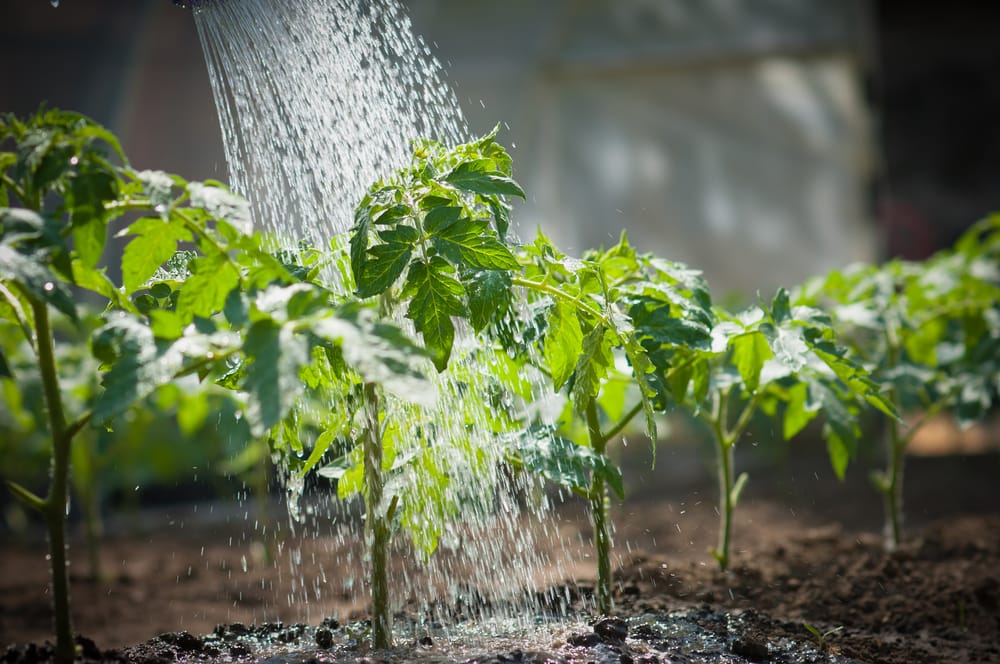
You know that slightly smug feeling you get in the fall when your garden still looks fantastic while everyone else’s plants are starting to give up on life? That joy lasts exactly until the first cold snap, when suddenly your previously thriving greenery looks like it’s auditioning for a winter disaster movie.
Here’s the twist most people don’t learn until it’s too late: your winter garden success has far less to do with mulch and fertilizer than it does with the timing of your watering. Yes, watering—during the very season when everything seems frozen solid. The right schedule can make the difference between roots that survive like champions and roots that literally crack under icy pressure.
Let’s break down the surprisingly simple, science-backed, and wildly overlooked watering routine that keeps plants alive, soil stable, and ice damage at bay all winter long.
Why Winter Watering Matters More Than You Think
Most gardeners assume roots go dormant in winter and stop needing attention, but that’s where the trouble begins. Even in the cold, roots continue to respirate, grow, and store energy—just more slowly. When soil becomes too dry, those roots lose insulation and become far more vulnerable to icy temperatures. Worse, dry soil freezes faster and deeper, creating ice pockets around roots that cause splitting and stress. Watering before cold snaps keeps soil dense, moist, and stable—exactly what roots need to stay warm and flexible.
The Perfect Timing For Cold-Season Hydration
Timing winter watering is much more strategic than simply “whenever you remember.” The magic window is just before the temperature drops but long enough ahead that the water can soak in without freezing on the surface. Watering early in the day ensures the liquid reaches deeper layers before frost forms. This creates a thermal buffer underground, slowing the rate at which cold penetrates the soil. A well-timed watering can reduce freeze-depth by inches, which is often the difference between a thriving plant and a springtime tragedy.
How Soil Type Changes The Game
Not all soil behaves the same in winter, and knowing yours gives you a huge advantage. Sandy soil drains quickly, meaning it cools quickly too, so it needs more frequent pre-freeze watering to maintain warmth. Clay soil holds water for longer, but if allowed to dry out, it becomes rigid and cracks as ice expands. Loam—gardening’s golden child—retains moisture beautifully but can still lose insulation if neglected in dry spells. Understanding your soil’s personality helps you tailor the schedule so your plants get exactly what they need.
The Ideal Watering Schedule For Root Protection
For most cold climates, watering deeply every two to three weeks during winter is the sweet spot, especially when precipitation is low. Deep watering strengthens the soil’s ability to slow freezing and prevents roots from drying out. Shallow watering barely penetrates the top layer and can actually worsen freeze-thaw cycles by creating icy crusts. When in doubt, think slow and steady: long, deep soaks instead of quick sprinkles. This schedule keeps plant systems stable and prevents the shock that occurs when roots oscillate between frozen and parched.
Why Watering Before A Freeze Prevents Ice Damage
It may sound strange, but slightly wet soil actually insulates plants better than dry soil during a freeze. Moist earth conducts heat more slowly, meaning the frost takes longer to reach the roots. Dry soil, on the other hand, allows freezing temperatures to travel quickly downward, forming ice pockets that expand and put pressure on root systems. The result? Splits, rot, and cellular damage that weaken plants long before spring. Watering correctly prevents this by creating a protective layer of stability around the root zone.
Avoiding Overwatering When It’s Cold
Yes, winter watering is important, but overdoing it brings its own problems. Plants still need oxygen at the root level, and too much water can suffocate them even in cold weather. The key is to water deeply but allow enough time for the soil to drain before the next deep soak.
Always avoid watering when temperatures are already below freezing, as this risks ice forming around stems or trunks. As long as your timing is right, you’ll hydrate roots without turning your garden into a frozen science experiment.
The Secret Benefits Most Gardeners Don’t Know About
Winter watering isn’t just about preventing damage; it strengthens your garden for the entire next growing season. Hydrated roots store more energy and recover more quickly in spring. Moist soil also promotes healthier microbial activity, even in cold temperatures, supporting long-term nutrition. Plants that receive proper winter hydration show better leafing, flowering, and disease resistance once warm weather arrives. In short, this strategy doesn’t just save your plants—it upgrades them.
When To Stop Watering In Spring Transition
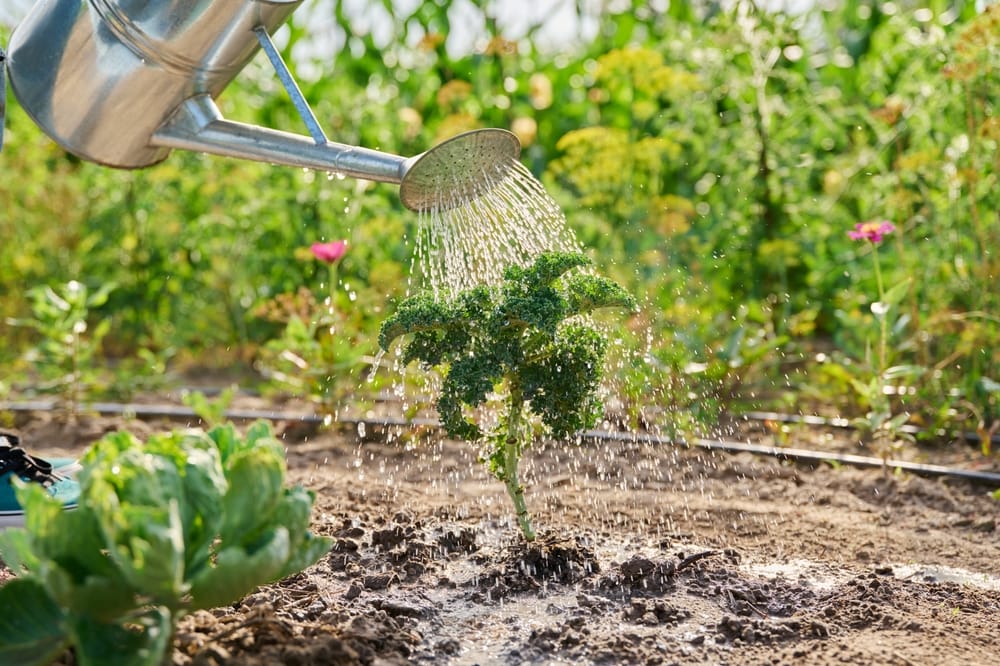
As the weather warms up, it’s tempting to jump straight back into frequent watering, but patience pays off here too. Early spring soil is often still saturated from melting snow and ice, so adding more water can drown roots just as they’re waking up. Wait until the soil dries slightly at the surface before resuming your normal watering schedule. Letting plants adjust gradually prevents shock and strengthens their ability to handle sudden warm spells. This transition period sets the foundation for strong, consistent growth all year long.
Protect Roots And Prevent Ice Damage With Smart Watering
Winter watering might not be the first thing gardeners think about, but it’s one of the most powerful tools for protecting plants and preventing cold-weather disaster. With the right timing, soil awareness, and deep-soak routine, you can shield roots from freezing, reduce ice damage, and give your garden a serious advantage when spring arrives.
Have you experimented with a winter watering schedule or learned your own tricks for keeping roots safe? Let us all know in the comments below.
You May Also Like…
Why Late Fall Watering Saves Roots From Damage
Your Plants Don’t Need as Much Water as You Think in November — Here’s Why
12 Crops That Need Extra Watering Before Frost
Why Rainwater Collection Is Easier in Fall
6 Garden Pests That Hibernate in Your Soil

Brandon Marcus is a staff writer for FrugalGardening.com at District Media, Inc., where he delivers practical gardening advice with a relatable, no-nonsense style. An avid amateur gardener, he holds a BA degree and with over ten years of professional writing experience, he is also an award-winning published author whose first book, Questions For Deep Thinkers, was released by Adams Media. His work has appeared in major publications including Fandom.com, CHUD.com, TheColdWire.com, and Fansided.com.
Leave a Reply