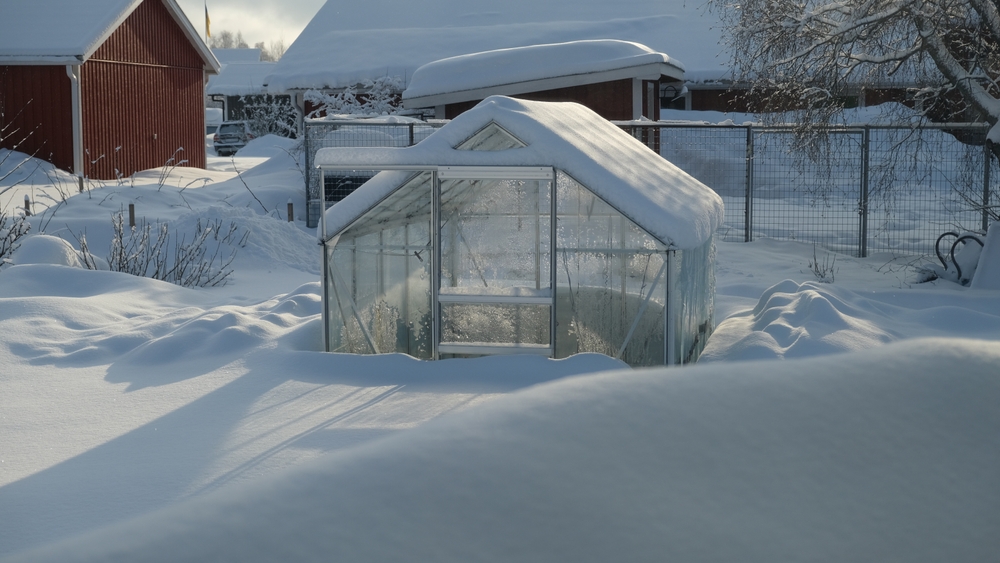
A surprise cold snap can make a healthy tray of seedlings look rough overnight, even when everything’s technically “indoors.” Leaves curl, stems go limp, and the soil suddenly stays wet like it forgot how to dry. The frustrating part is that many setups look protective but don’t actually hold steady warmth where seedlings need it most. That’s why indoor greenhouses can feel like a safe shortcut, then disappoint the second temperatures swing. Here’s what experts flag as the real weak points, plus simple fixes that keep seedlings alive without turning your home into a science lab.
Why Indoor Greenhouses Fail During Sudden Cold Snaps
Most mini setups don’t create true heat—they just trap a little air, and that air cools fast when the room does. Seedlings suffer because their roots are sensitive, and a chilly root zone slows growth even if the leaves look fine at first. The biggest issue is temperature instability, where warm afternoons and cold nights swing harder inside a small enclosure than you’d expect. If the plastic is thin or leaky, it can actually amplify drafts by funneling cold air down onto the tray. The goal isn’t “covered,” it’s “consistent,” and that’s where many products fall short.
The Hidden Temperature Drop On Windowsills
A sunny window can feel like free heat, but glass turns into a cold plate the second the sun disappears. At night, the air next to the window can be significantly colder than the rest of the room, and seedlings sit right in that chill zone. If your trays rest on stone, tile, or an uninsulated sill, the cold sinks straight into the soil. Many indoor greenhouses are placed in windows for light, but that location can be the worst place during a cold snap. Moving the setup just a few feet inward and adding a grow light often stabilizes temperatures more than any clear cover.
Humidity Domes Turn Into Disease Traps
When air turns colder, it holds less moisture, so condensation builds fast inside covered trays. That constant dampness encourages fungal issues like damping-off, which can wipe out seedlings in a day or two. A dome that looks “cozy” can become a drip factory, especially if you water right before a temperature drop. Indoor greenhouses also reduce airflow, and seedlings need gentle air movement to build stronger stems. If you must use a cover, crack it daily, wipe pooled moisture, and treat ventilation like a required step, not a bonus feature.
Soil Stays Cold Even When Air Feels Warm
Seedlings don’t care if the room feels comfortable to you if the soil stays cold and soggy. Cold soil slows root function, which means water uptake drops and the plant can look wilted even though the mix is wet. This is why overwatering spikes during cold snaps—people see droop and add water when the real issue is temperature. A heat mat with a thermostat is the most reliable way to protect the root zone without overheating the tops. If you’re using indoor greenhouses, pairing them with controlled bottom heat usually matters more than adding another layer of plastic.
Budget Fixes That Actually Protect Seedlings
Start by insulating under the tray with cork, cardboard, or a folded towel so cold surfaces can’t steal heat from the soil. Add a cheap thermometer at tray level, because “room temp” doesn’t tell you what your seedlings are experiencing inside the enclosure. If you can’t buy a thermostat, at least elevate the tray and keep it away from exterior walls, which radiate cold during overnight drops. Indoor greenhouses work better when you treat them like windbreaks, not heaters, and you provide the heat source separately. A simple grow light positioned close enough for warmth (without burning) can also help smooth out temperature swings when the house cools at night.
The Setup That Keeps Seedlings Steady, Not Stressed
Think in layers: stable warmth at the roots, steady light above, and gentle airflow to prevent disease. Choose one reliable heat source and control it, because guessing is how seedlings get cooked or chilled. Keep watering conservative during cold snaps, and judge moisture by the soil feel, not the leaf drama. If you need a cover, use it like a temporary tool and vent it regularly so humidity doesn’t spike. With the right basics, indoor greenhouses stop being a gamble and start acting like the protection you thought you were buying.
Have you had seedlings crash during a cold snap, and what single change made the biggest difference in your setup?
What to Read Next…
9 Late-Season Seedlings That Work in Cold Frames
10 Terrariums Indoor Greenhouses You Can Set Up This Winter
Why Your Compost Bin Could Be Breeding a Fungus That Kills Seedlings
How to Keep Your Greenhouse Warm Without Skyrocketing Energy Bills
The Real Reason Your Seedlings Keep Dying—And It’s Not the Cold

Catherine is a tech-savvy writer who has focused on the personal finance space for more than eight years. She has a Bachelor’s in Information Technology and enjoys showcasing how tech can simplify everyday personal finance tasks like budgeting, spending tracking, and planning for the future. Additionally, she’s explored the ins and outs of the world of side hustles and loves to share what she’s learned along the way. When she’s not working, you can find her relaxing at home in the Pacific Northwest with her two cats or enjoying a cup of coffee at her neighborhood cafe.
Leave a Reply