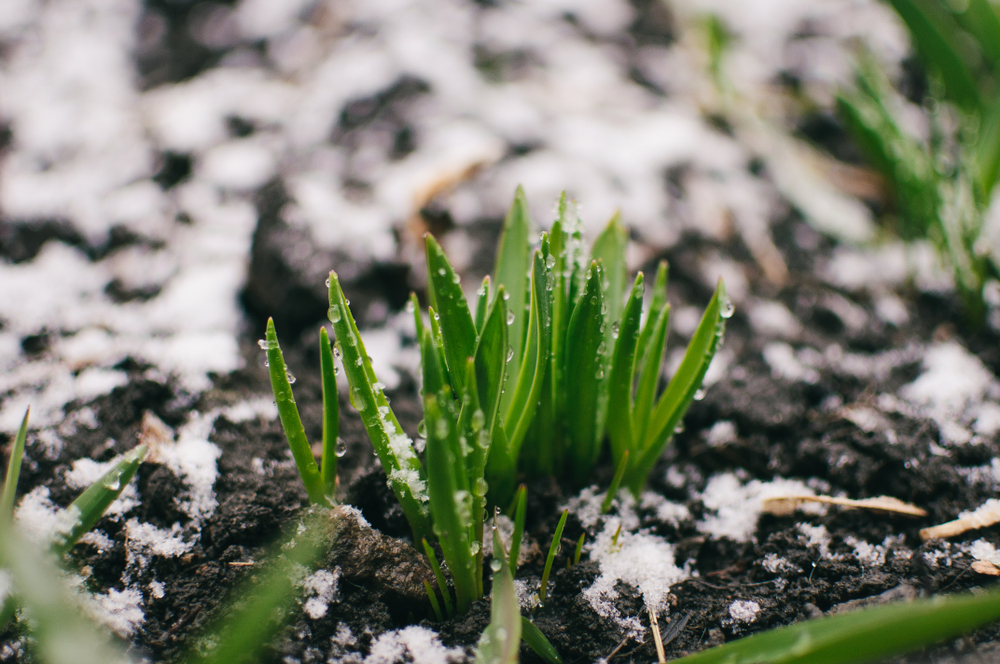
Winter can be absolutely brutal on your garden, especially when those plunging temperatures sneak in overnight and leave your plants shivering beneath the soil. Roots, more than anything else, need insulation, stability, and a protective barrier that keeps warmth in and icy winds out. Mulch becomes the unsung hero of the season, acting like a cozy blanket that defends your plants from freeze-thaw cycles that can crack soil and stress even the toughest greenery.
Choosing the right mulch doesn’t just help your garden survive—it helps it bounce back stronger, fuller, and healthier once spring arrives. So grab your gloves, because we’re diving into the very best mulches that turn winter from your roots’ worst enemy into a mild inconvenience.
1. Wood Chips
Wood chips are a classic for a reason—they’re dependable, long-lasting, and naturally insulating. They help lock in soil warmth during even the chilliest nights, creating a barrier that keeps roots from experiencing sudden temperature shifts. Because they break down slowly, you won’t need to replace them often, making them a great long-term winter strategy. They also improve soil structure over time as they decompose. If you want no-fuss winter protection with bonus soil benefits, wood chips are a top-tier choice.
2. Straw Mulch
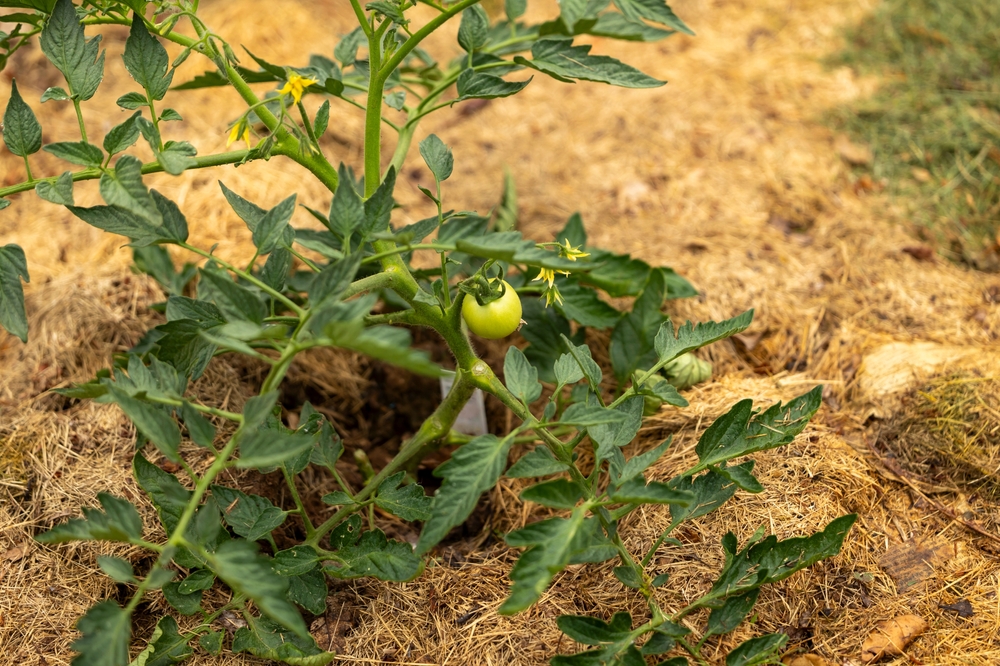
Straw mulch is one of the fluffiest, most insulating mulches you can spread across your garden. Its airy structure traps warmth beautifully, shielding fragile roots from harsh freezes. Gardeners love it because it’s lightweight and easy to spread, even over large areas. It also deters soil compaction, allowing water and nutrients to continue flowing freely. For vegetables, perennials, and herb beds, straw is practically a winter superhero.
3. Shredded Leaves
Shredded leaves are the ultimate free resource for winter-ready gardening—nature hands them out, and all you have to do is gather and reuse them. When shredded, they form a dense but breathable layer that keeps your soil warm and nutrient-rich. As they break down, they infuse organic matter into the earth, giving your plants a nutritious boost just in time for spring growth. They’re especially great for woodland plants or any garden that thrives on humus-rich soil. If you want a mulch that performs double duty, shredded leaves deliver.
4. Pine Needles
Pine needles create a surprisingly effective winter blanket thanks to their ability to interlock while still allowing airflow. They won’t blow away easily, even during fierce winter winds, which makes them excellent for open or exposed gardens. Their slightly acidic nature also benefits plants like blueberries, azaleas, and hydrangeas. Because they don’t compact, they keep soil conditions loose and healthy all winter long. If you want mulch that’s tidy, durable, and tailor-made for acid-loving plants, pine needles are the answer.
5. Compost Mulch
Compost mulch brings both warmth and nutrition to winter-challenged roots, acting like an all-in-one soil spa treatment. Its dense texture helps hold heat in the soil where roots need it most. As it decomposes during the colder months, it steadily releases vital nutrients that improve soil fertility. It’s an excellent choice for beds that need a gentle winter boost before bursting into spring growth. Think of compost mulch as both insulation and a slow-release feast for your garden.
6. Bark Mulch
Bark mulch creates a sturdy and slow-decomposing shield that holds warmth and blocks frost from penetrating deep into the soil. Larger bark pieces lay down a firm layer that resists heavy snow and winter winds without shifting. Its longevity makes it ideal for perennial beds and landscaped areas that don’t get regular turnover. Even in midwinter, it helps maintain steady soil temperatures when the weather keeps swinging wildly. If you want mulch that stands strong through every storm, bark mulch is worth the investment.
7. Grass Clippings
Grass clippings, when dried properly, can form a surprisingly effective winter insulation layer. They’re rich in nutrients, which gradually enrich the soil as they break down beneath the snow. Because they pack tightly, they help trap warmth close to plant roots. However, they must be fully dried to prevent matting, which can restrict airflow if applied wet. When used correctly, they offer an eco-friendly and readily available insulation option.
8. Cocoa Bean Hulls
Cocoa bean hulls create one of the most visually appealing mulches while also offering excellent winter protection. Their lightweight but dense texture helps stabilize soil temperature and reduce moisture evaporation. As they break down, they add organic richness to the soil, helping improve plant health long-term. They’re known for producing a pleasant aroma, which makes winter gardening a little more enjoyable. If you want insulation that also adds beauty and scent, cocoa bean hulls provide a luxurious touch.
9. Evergreen Boughs
Evergreen boughs—like fir, pine, and spruce branches—make an excellent seasonal mulch that’s both breathable and insulating. Their natural arching structure creates a loose cover that keeps soil warm without suffocating your plants. They also help prevent frost heaving, which can push delicate roots upward during freeze-thaw cycles. As they decompose, they release a subtle dose of organic material into the soil. If you want mulch that feels festive and functional, evergreen boughs are a fantastic winter solution.
Your Roots Deserve a Winter Survival Plan
Choosing the right mulch can make the difference between plants that barely endure winter and those that thrive afterward. Each mulch type offers unique benefits, from locking in warmth to improving soil structure long-term. By matching your plants’ needs with the mulch that complements them best, you can protect your garden with confidence all season long. Winter doesn’t have to be a root-wrecking nightmare when the right insulation is in place.
Have you tried any of these mulches in your garden? Share your favorite winter care strategies, stories, or questions in the comments below.
You May Also Like…
Why Mulch Thickness Matters Most Now
Why Garden Beds Sink After Leaf Mulching
How Garden Lighting Changes Everything in the Winter Landscape
Your Garden Shed Might Be the Most Important Structure This Winter
11 Mulching Mistakes That Can Suffocate Roots

Brandon Marcus is a staff writer for FrugalGardening.com at District Media, Inc., where he delivers practical gardening advice with a relatable, no-nonsense style. An avid amateur gardener, he holds a BA degree and with over ten years of professional writing experience, he is also an award-winning published author whose first book, Questions For Deep Thinkers, was released by Adams Media. His work has appeared in major publications including Fandom.com, CHUD.com, TheColdWire.com, and Fansided.com.
Leave a Reply