
Composting doesn’t have to be a smelly, slow-moving chore that sits in the corner and mocks your intentions. In fact, it can be downright fun, efficient, and oddly satisfying when done right. Forget the fancy, overpriced compost bags that promise the world but barely deliver; nature has been perfecting this process for millions of years, and with a few simple tricks, you can beat anything a store sells.
Imagine turning your leftover coffee grounds, vegetable scraps, and even shredded newspaper into rich, earthy soil that practically grows plants on autopilot. It’s not just about saving money—though that’s a sweet bonus—it’s about taking control, experimenting, and watching science happen right in your backyard. These tricks don’t just improve compost; they make it faster, cleaner, and more productive, leaving you wondering why you ever bought those flimsy plastic bags in the first place.
1. Turn Your Scraps Into a Speedy Soil Factory
One of the easiest ways to make compost work like magic is to chop, shred, or grind your scraps before tossing them in. Smaller pieces break down faster because microbes and fungi don’t have to work as hard, which means your compost heats up and matures much quicker. Instead of tossing in whole cores of apples or huge carrot tops, slice them into bite-sized chunks or even blend them for an instant jumpstart.
Layering these chopped scraps with dry, carbon-rich materials like shredded paper, dry leaves, or cardboard creates a perfect balance of greens and browns. This combination boosts aeration, reduces odors, and encourages the microbial army that makes decomposition happen. Keep your pile moist, but not soggy—think damp sponge, not swamp—and turn it every few days to introduce oxygen, which speeds up the process. Within weeks, you’ll have a dark, crumbly compost that rivals anything store-bought and gives your garden a nutrient boost without chemicals.
Adding eggshells, coffee grounds, and even stale bread in moderation can further enrich the mixture. Eggshells provide calcium, coffee grounds attract worms, and bread adds additional microbial food. Avoid large amounts of meat, dairy, or oily leftovers—they slow decomposition and attract pests. Stick to plant-based scraps, grind them up, layer them, and watch the compost pile transform from a pile of waste into a powerhouse of plant energy.
2. Embrace Worms Like Tiny Garden Ninjas
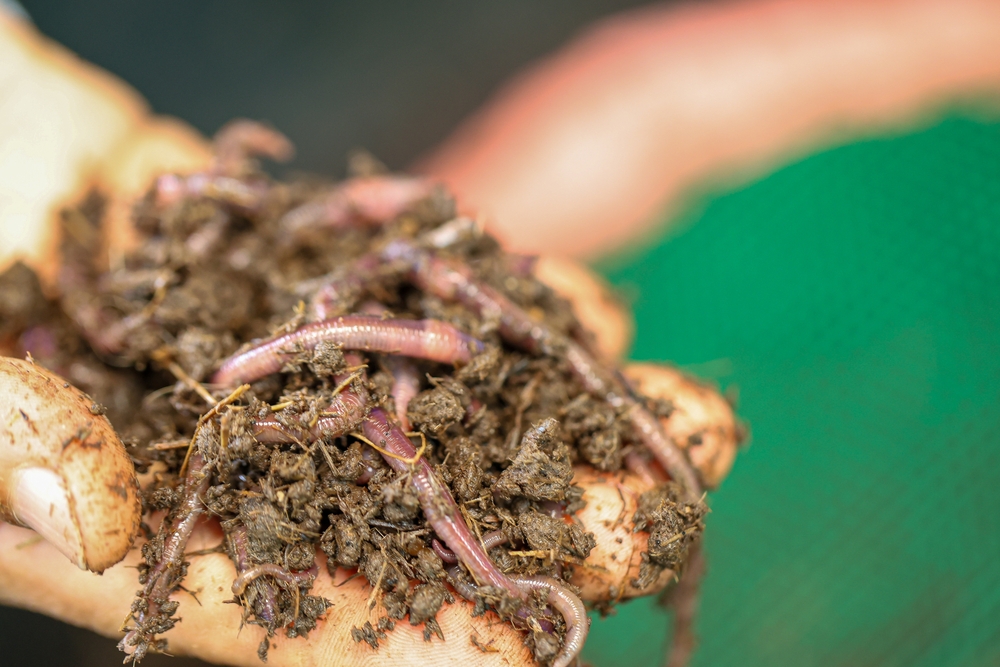
Vermicomposting might sound fancy, but it’s basically just inviting earthworms to do the heavy lifting. These wriggly superheroes turn food scraps into nutrient-rich castings that plants adore. Set up a worm bin in a cool, shaded area and fill it with shredded paper, cardboard, and your kitchen scraps. Red wigglers are the gold standard—they’re voracious, breed quickly, and thrive in confined spaces.
Worm composting is not only efficient but surprisingly low-maintenance. Feed them regularly, keep the bedding damp, and don’t overstuff the bin or toss in meat and citrus. Worms process organic material up to five times faster than traditional composting methods, and the resulting castings are packed with nitrogen, phosphorus, and potassium—three essential nutrients your plants crave. The best part? It doesn’t just happen in the soil—worms work in layers, aerating and enriching the mix from the bottom up, creating a dynamic, living compost that’s practically self-sustaining.
Integrating worms into a regular compost pile can turn a slow, smelly heap into a thriving micro-ecosystem. Even if you don’t want a full worm bin, adding a handful of worms to your compost can accelerate breakdown dramatically. Think of them as tiny composting consultants who never ask for a raise, and suddenly your garden soil is richer, darker, and more robust than anything you can buy in a bag.
3. Harness Heat Like a Compost Furnace
One secret that many people overlook is temperature. Microbes thrive when compost is warm, which is why piles that stay cold can stagnate. A properly built compost pile can reach 130–160°F, hot enough to kill seeds and pathogens while speeding up decomposition. Achieving this heat requires layering greens and browns, keeping moisture consistent, and turning the pile to introduce air.
Insulating your pile with straw, leaves, or even a tarp can retain heat in colder months and keep decomposition steady year-round. A hot pile not only accelerates composting but also keeps critters away. Hot composting can reduce waste to usable soil in as little as a month, compared to several months for a slow, cold pile. Track the temperature with a simple compost thermometer, and adjust by adding more greens or browns to maintain optimal heat.
Strategically managing temperature allows for faster, cleaner compost without relying on chemical accelerators or bagged solutions. The process also gives you flexibility—you can compost faster for big garden projects or slow it down for small-scale needs. Master the heat, and you transform from a casual composter into a composting powerhouse who commands the microbial workforce with confidence.
4. Go Beyond Scraps With Coffee, Tea, and Citrus
Most people toss coffee grounds in the trash, but those little brown specks are compost gold. Packed with nitrogen and minerals, they energize microbes and attract worms like a magnet. Tea bags, leftover loose leaves, and even citrus peels add flavor and nutrients, though citrus should be balanced with other scraps to avoid acidity slowing down microbes. Mixing these items into the pile in moderation keeps decomposition moving smoothly.
Citrus peels, when used wisely, can help repel pests in the garden and add subtle nutrients to the soil. Drying or chopping them first reduces the chance of slowing the pile and prevents unwanted critters. Coffee grounds work wonders in both vermicomposting and traditional piles, offering a dark, rich soil booster that smells amazing. By thinking outside the box and using everyday kitchen items creatively, compost becomes more than a chore—it becomes a laboratory for producing nutrient-dense, vibrant soil for your plants.
Rotating these materials into your pile every few days ensures that nutrients distribute evenly and that no one part of the compost pile stagnates. The mix of textures, moisture levels, and chemical compositions keeps microbes active, heat levels consistent, and worms happily munching. With this approach, your compost pile evolves into a thriving, dynamic system that keeps giving back to your garden long after scraps vanish.
Turn Trash Into Treasure Without Breaking a Sweat
At the end of the day, composting is about transformation—taking what seems useless and creating something vital, beautiful, and productive. By chopping scraps, inviting worms, managing heat, and integrating nutrient-rich materials, you make a compost pile that outperforms any store-bought bag, both in quality and speed. Each technique reinforces the others, turning a simple pile into a sophisticated ecosystem that benefits the garden and the planet.
Experimentation is part of the fun. Mix and match materials, adjust layers, and find what makes your pile hum. Composting doesn’t just save money or reduce waste; it teaches patience, creativity, and respect for the tiny organisms that make life flourish. As your plants thrive in the rich, dark soil, it’s impossible not to feel a thrill at the sheer ingenuity of nature amplified by human hands.
How will you elevate your compost game? Share your favorite tricks, unexpected discoveries, or even epic failures in the comments—we all grow together.
You May Also Like…
Is Composting at Home Still the Cheapest Soil Option?
13 Composting Ideas to Use Holiday Kitchen Waste in Your Garden
The Compost Mistake That Wastes Money Every Spring
Use These 8 Winter Composting Tips for Gardeners
The Best Free Garden Amendments

Brandon Marcus is a staff writer for FrugalGardening.com at District Media, Inc., where he delivers practical gardening advice with a relatable, no-nonsense style. An avid amateur gardener, he holds a BA degree and with over ten years of professional writing experience, he is also an award-winning published author whose first book, Questions For Deep Thinkers, was released by Adams Media. His work has appeared in major publications including Fandom.com, CHUD.com, TheColdWire.com, and Fansided.com.
Bury vegetables and fruit kitchen scraps at least a spade tool below the soil level. This is great if you don’t want, or have, a compost heap to put them in. Rats, etc., wont dig them up. (I’m not sure about other critters.) Also, put grass, clover, weeds, etc., in pail buckets and fill with water to steep at least a couple of months outside. Make sure they have lids placed on them securely while the contents is decomposing. (Make sure the plants are decomposed!) Pour the decomposed “tea” around plants in garden beds and bury the solid contents under the soil level.
Enjoy!