• Skip to primary navigation
  • Skip to main content
  • Skip to primary sidebar

Frugal Gardening

Simple ways to save money while you garden

  • About
  • Contact Us
  • Garden Frugally
  • Buy These
  • Our Editorial Commitment
  • Navigation Menu: Social Icons

    • Facebook
    • Pinterest
    • Twitter

How to Use Baking Soda for Weed Control

December 28, 2020 by Steph Coelho Leave a Comment


How to Use Baking Soda for Weed Control

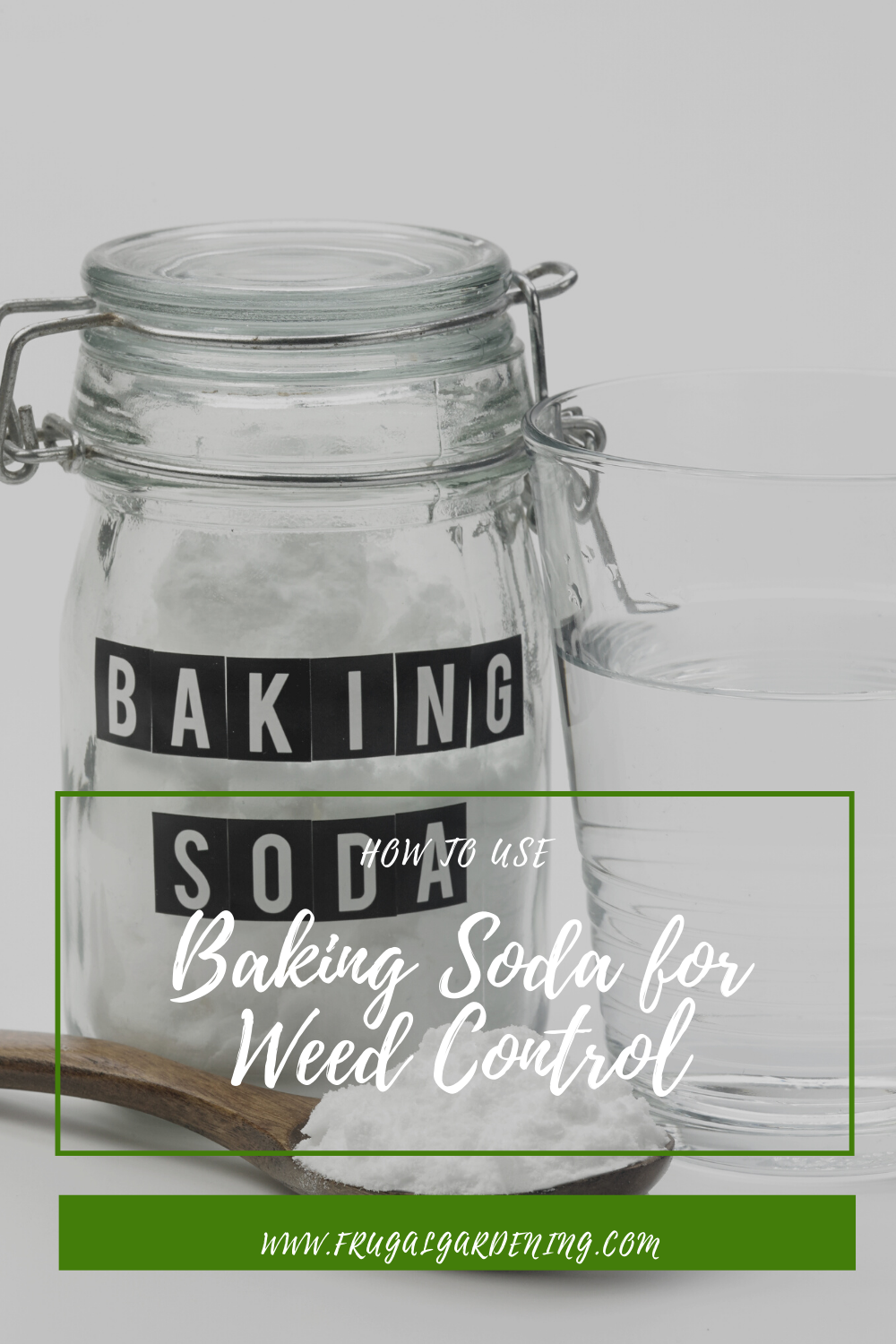
I’ve dealt with some nasty weeds in my day. I’ve also tried a lot of methods to get rid of said weeds. A lot of those so-called “tried-and-true” methods are actually bogus. Like so many gardening pieces of wisdom, a lot of weed control tricks aren’t really useful. What about baking soda for weed control? Does it work?

Baking soda’s many uses

I always have a box of baking soda in my cupboard—usually two, in fact. Baking soda has many uses. It’s a frequent baking ingredient. It’s great for sopping up urine stains (something I have to deal with sometimes as a dog owner) and it deodorizes almost like magic. I also always have a box in the fridge to deal with stubborn smells that permeate from containers of leftovers.

But does it work for killing weeds? Can you use baking soda for weed control?

Baking soda in the garden

I have a love-hate relationship with weeds. I genuinely believe that some weeds are lovely. Dandelions, for instance, are a treat and I love how they attract dozens of bees to my garden. Invasive vines, on the other hand? Kill them with fire! Or maybe baking soda?

Here’s the deal. Baking soda is not a magic weed killer. Don’t believe the hype. It contains sodium, which will surely kill weeds if you pile on the stuff. But, salt is also going to harm other green living things around your garden. Salt can also leech into your soil and can cause harmful runoff.

TLDR: It works but it can also cause problems.

It seems like a harmless substance, but I don’t recommend it for use in the garden. There are plenty of better ways to deal with weeds.

Baking soda alternatives

Here are a few alternatives to using baking soda for weed control.

  • Landscape fabric. Prepare beds with landscape fabric to prevent weeds from popping up in the first place.
  • Plastic mulch. Plastic mulch is another easy-to-use alternative that can easily suffocate weeds.
  • Organic mulch. Good ole’ organic mulches like wood chips and straw can help prevent weed growth. If you have a bed infested with weeds, though, don’t use mulch until you’ve pulled out most of the invading plants.
  • Your hands. If you’re dealing with a minor weed infestation, just use your hands or a trowel to dig the weeds up by the roots. Remember to dig up the whole plant or else it’ll pop up again.
  • Cardboard. Lay down cardboard before planting to prevent weeds from growing back.
  • Get some chickens. Chickens won’t selectively pick out weeds for you but they will eat the remnants that you’ve pulled up. That way, you won’t have to find a way to dispose of them.

Quick tip: Never toss weeds into your household compost. You can contaminate your garden this way!

While I have you here: if you really hate those dandelions. I suggest not letting them go to waste. Pick them and use them to make tea.

Photograph of Steph Coelho.
Steph Coelho

Steph Coelho is a freelance writer gardening in zone 5b. She is a certified Square Foot Gardener and has taught various garden-related workshops. When she’s not digging in the dirt or writing, she’s cooking up fresh produce, running, or listening to her favorite podcasts.

Filed Under: weeds Tagged With: getting rid of weeds, mulch, preventing weeds, weeds

Previous Post: « How I Feel About the Hunting of Garden Pests
Next Post: Gardening Goals for the New Year »

Reader Interactions

Leave a Reply Cancel reply

Your email address will not be published. Required fields are marked *

Primary Sidebar

Struggling to get your garden off the ground? Put those days behind you with our special starter kit – perfect for thrifty green thumbs everywhere. Get growing and add a splash of color today!

Popular Posts

  • usda free seeds websiteHow To Get Free Seeds From The Government by Amanda Blankenship Seeds might seem like a small expense, but any seasoned…
  • Enviro Ice On PlantsShould I Use Enviro Ice On My Plants? by Kathryn Vercillo Every week, I receive food from Hungryroot. It's a great…
  • is shredded paper good for the gardenFrom Trash to Treasure: Transform Shredded Paper Into Garden Gold by Amanda Blankenship Should you use shredded paper as garden mulch? It might…
  • Enviro IceWhat Happens to Plants If You Use Enviro Ice on Them? by Amanda Blankenship About a year ago, I wrote our first article about…
Don’t Let Your Herbs Bolt—Pinching Tricks to Keep Cilantro and Basil Going

Don’t Let Your Herbs Bolt—Pinching Tricks to Keep Cilantro and Basil Going

Fresh herbs can turn a simple meal into something unforgettable, but cilantro and basil often sprint to seed before gardeners enjoy a steady harvest. One week the leaves look lush and fragrant, and the next week tall stems shoot upward with flowers stealing energy from leaf production. Heat, long daylight hours, and inconsistent harvesting habits…

Read More

It’s Not Too Late! Start Sweet Potatoes and Pumpkins Now With Money-Saving Tips

It’s Not Too Late! Start Sweet Potatoes and Pumpkins Now With Money-Saving Tips

A late start in the garden does not shut the door on a strong harvest of sweet potatoes and pumpkins. Many gardeners assume spring planting holds all the magic, yet warm-weather crops still respond well when planted with smart timing and care. Soil temperature, sunlight, and quick-growing strategies matter far more than the calendar date…

Read More

Skip the Transplants: These Warm-Weather Veggies Excel When Direct-Sown Now

Skip the Transplants: These Warm-Weather Veggies Excel When Direct-Sown Now

Late spring heat opens a golden window for gardeners who want fast, reliable crops without the stress of transplant shock. Many warm-weather vegetables perform better when seeds go straight into the soil instead of starting in trays indoors. Direct sowing helps roots establish naturally, which leads to stronger plants that handle summer heat with confidence….

Read More

8 Beginning Gardening Tips That Will Make You a Better Grower

8 Beginning Gardening Tips That Will Make You a Better Grower

Gardening looks simple from the outside, but every sprout tells a different story once seeds hit the soil. New gardeners often feel excited at first, then quickly run into droopy leaves, stubborn soil, or plants that refuse to grow the way expected. The good news shows up fast: small changes in technique create big improvements…

Read More

  • About
  • Contact Us
  • Garden Frugally
  • Buy These
  • Our Editorial Commitment
  • Navigation Menu: Social Icons

    • Facebook
    • Pinterest
    • Twitter
  • Facebook
  • Pinterest
  • Twitter

Copyright © 2026 · Foodie Pro & The Genesis Framework