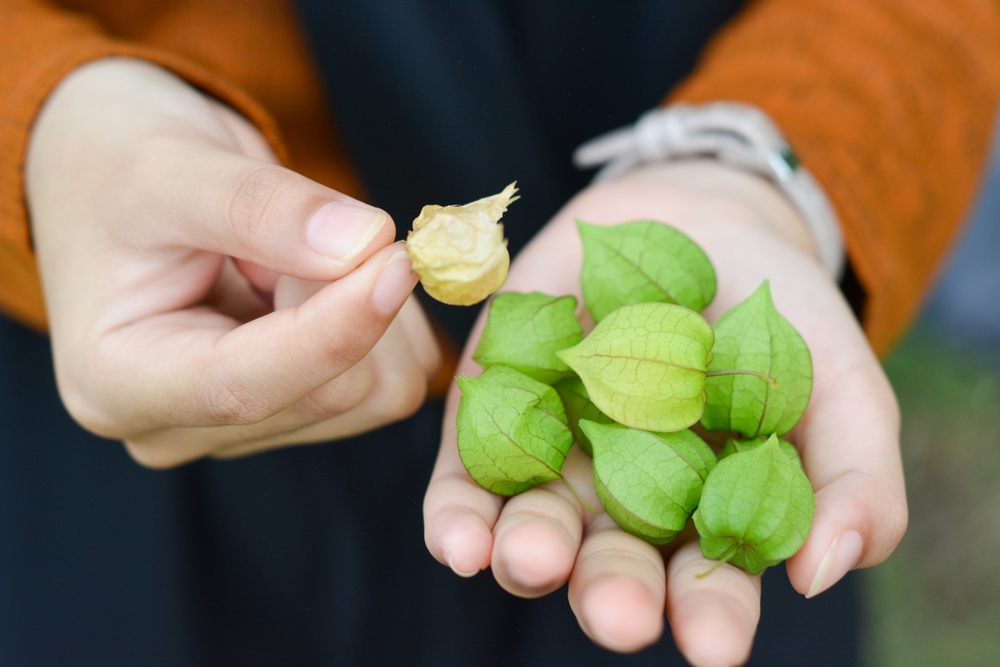
Ground cherries have one wonderfully strange harvest signal: they fall off the plant when they ripen. But when those little papery husks hit the soil while the fruit inside still looks green, the garden suddenly feels like it has changed the rules halfway through the game. The good news is that a few early drops do not automatically mean the crop has failed, but gardeners should check the fruit and the plant before tossing everything into the compost.
The trick lies in separating normal dropping from premature dropping. A ripe ground cherry usually carries a dry, tan or beige husk and a golden-yellow fruit inside, while a prematurely fallen fruit often looks noticeably green or immature. That distinction matters because truly ripe ground cherries make excellent fresh snacks, while unripe fruit should stay off the menu because immature ground cherries contain toxic compounds common to several nightshade plants.
First, Figure Out Whether the Drop Is Actually a Problem
A ground cherry falling onto the soil does not automatically deserve a garden emergency siren. These plants naturally release ripe fruit, and that little tumble onto the ground serves as one of the easiest harvest signals in the vegetable garden. Look at the husk first, because a dry, papery husk that has shifted from green toward tan usually points toward ripeness. Then peek inside and check for the characteristic golden-yellow color rather than assuming every fallen berry needs more time.
Premature drops look different, with a green-tinged husk or a fruit that still looks distinctly green inside. Penn State Extension notes that ground cherry husks sometimes fall prematurely while the fruit remains green, and those fruits seldom finish ripening properly. That does not mean every slightly green fallen fruit belongs in the trash, because some gardeners have successfully finished mildly underripe fruit indoors. Still, the farther the fruit sits from its mature color, the less confidence a gardener should place in its ability to develop the sweetness and flavor of a fruit that ripened on the plant.
Give Slightly Green Fallen Fruit a Chance
When a fallen fruit looks only slightly underripe, keep the husk intact and bring the fruit indoors rather than peeling it immediately. Place the fruit in a shallow bowl or tray at ordinary room temperature, away from direct sunlight, and check it periodically for changes in color and signs of decay. Keeping the husk attached gives the fruit some protection while it sits, and gardeners can monitor a small batch rather than gambling the entire harvest. A slightly green fruit may improve indoors, although the finished flavor can fall short of fruit that completed ripening on the plant.
Do not treat every green ground cherry as a secret indoor ripening project, however. If the fruit remains strongly green, shrivels, develops mold, or shows damage from insects or animals, discard it rather than sampling it. Ground cherries belong to the nightshade family, and their unripe fruits contain alkaloid compounds that can make them unsafe to eat. Wait for the fruit to reach its mature color and sweet flavor before turning the harvest into a snack, pie, jam, or salsa.
Check the Plant for Clues
A few premature drops may simply reflect the quirks of the plant, but a sudden pile of green fruit on the ground deserves closer inspection. Start with moisture because ground cherries need consistent watering during the growing season, and drought can stress plants and interfere with flowering and fruit production. Check the soil beneath the plant rather than judging moisture by the surface, especially when foliage creates a shady little canopy that makes dry soil harder to spot. A layer of mulch can help conserve soil moisture while also making fallen fruit much easier to find.
Next, inspect the foliage and developing fruit for chewing damage, insect activity, or signs of disease. Ground cherries can attract the same general pest crowd that visits other nightshades, including hornworms, cutworms, and Colorado potato beetles. Also look at sunlight and plant growth, because ground cherries produce fruit over an extended season and cool autumn weather eventually slows flowering and fruit production. If the plant looks healthy but only a handful of green berries have fallen, the situation may simply require patience rather than a dramatic gardening intervention.
Make the Harvest Easier Next Time
Ground cherries practically beg gardeners to make harvesting easier because ripe fruit hides beneath sprawling foliage and drops onto the soil. Spread clean straw or another suitable mulch beneath the plant so the golden berries do not disappear into dirt, weeds, or the general chaos of late summer. Check underneath the plants regularly and collect ripe fruit promptly, especially after windy weather or a vigorous watering session. That simple routine turns harvest time from a scavenger hunt into a manageable garden chore.
A tomato cage or other support can also help lift some foliage and expose the fruit, although ground cherries naturally sprawl and do not require elaborate training. Keep an eye on the ground because ripe fruit can quickly become wildlife snacks, and missed berries can also produce volunteer plants the following season. Gardeners who want fewer surprises should collect fallen fruit regularly, including fruit they do not plan to eat. Ground cherries have a reputation for self-seeding, so one forgotten berry can turn next year’s garden into an unexpected sequel.
Let the Golden Berries Tell the Story
The most important clue comes from the fruit itself, not simply from where it landed. A dry, papery husk paired with a golden-yellow berry usually means the plant has done exactly what it should, while a green berry inside a prematurely dropped husk deserves caution and a little observation. Keep mildly underripe fallen fruit in its husk indoors and give it a chance, but do not expect every green berry to become dessert-worthy. For the best flavor and safest eating, wait until the fruit reaches its mature color and characteristic sweetness.
Have ground cherries ever fallen while they still looked green, and did they finish ripening indoors? Share what happened in the comments!
You May Also Like…
6 Ways to Protect Ripening Fruit From Sudden Splitting
8 Fruits You Should Never Plant Too Close Together
The Fruits and Nuts You Can Still Harvest This Month
10 Fruits to Preserve While They’re at Peak Flavor
6 Fruits That Actually Taste Better After a Chill

Brandon Marcus is a staff writer for FrugalGardening.com at District Media, Inc., where he delivers practical gardening advice with a relatable, no-nonsense style. An avid amateur gardener, he holds a BA degree and with over ten years of professional writing experience, he is also an award-winning published author whose first book, Questions For Deep Thinkers, was released by Adams Media. His work has appeared in major publications including Fandom.com, CHUD.com, TheColdWire.com, and Fansided.com.
Leave a Reply