It’s not surprising that homeowners love adding shrubs that promise color, structure, and low‑maintenance beauty to their gardens. They are a lovely way to add that extra pop.
But as more people refresh their landscapes, one particular shrub has been popping up in yards everywhere — and it’s far from the harmless plant many assume it to be. In fact, this popular ornamental can be extremely dangerous for cats, even though it’s often marketed as a simple, attractive addition to the garden. If you share your home with a curious cat who loves exploring the yard, knowing which plants pose a threat is essential. Some shrubs are beautiful but contain compounds that can cause serious illness if ingested, and cats are notorious for nibbling on leaves without hesitation.
The Pretty Shrub With a Not‑So‑Pretty Secret
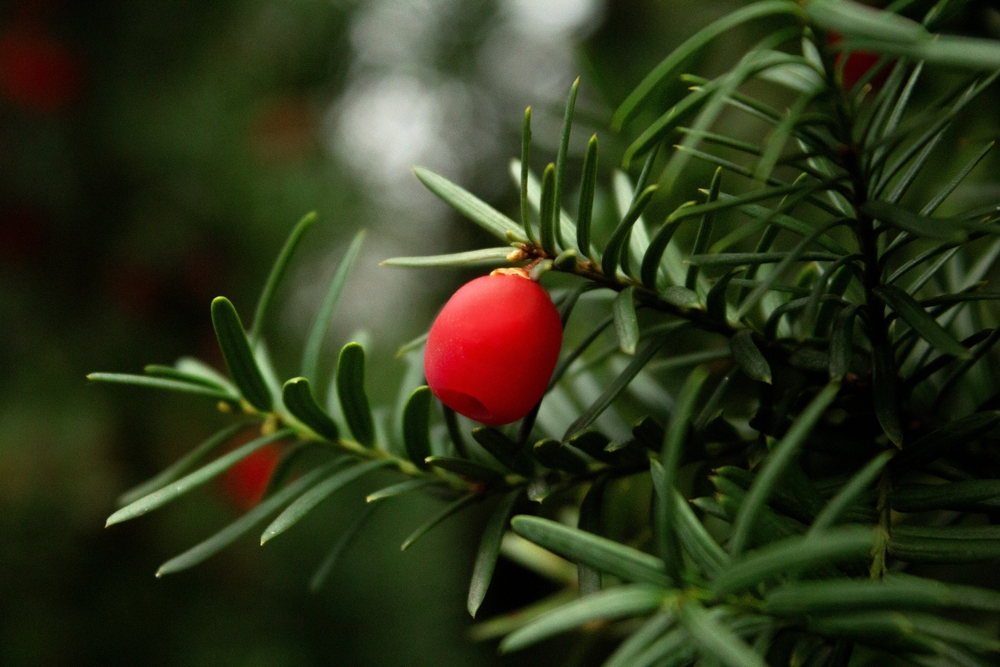
One of the most commonly planted shrubs that poses a danger to cats is the yew. Yews are beloved for their deep green needles, elegant shape, and ability to thrive in a variety of climates. They’re often used as foundation plantings, hedges, or decorative accents because they stay green year‑round and require very little maintenance. However, despite their popularity, yews contain toxic compounds, which can be extremely harmful to cats if ingested.
The danger lies in the fact that every part of the plant — except the fleshy red aril around the seed — contains these toxic alkaloids. Cats don’t need to consume much for symptoms to appear, and because the needles are soft and accessible, it’s easy for a curious pet to chew on them without a second thought. While yews have been used in landscaping for decades, many homeowners are unaware of their toxicity, especially if they’ve inherited the shrubs from previous owners.
Why Cats Are Especially Vulnerable Around Toxic Shrubs
Cats are naturally inquisitive creatures. Their tendency to explore with their mouths makes them more vulnerable to plant toxins than many people realize. Even if your cat isn’t a habitual plant‑chewer, it only takes one moment of curiosity for them to ingest something harmful. Yews, in particular, can be tempting because their needles are soft and their berries are visually interesting. The seeds inside those berries are also dangerous.
Another challenge is that cats are small animals. So even a small amount of a toxic compound can have a significant impact. While dogs may also be at risk, cats often experience more severe reactions because of their size and their unique metabolism. This is why it’s so important for cat owners to be aware of the plants growing in their yard.
How to Identify Yews Before They End Up in Your Yard
Yews are easy to mistake for other evergreen shrubs, especially if you’re not familiar with their specific characteristics. They typically have flat, needle‑like leaves that are dark green and arranged in a spiral pattern along the stem. Many varieties produce small red berries in the fall, which can make them look festive and appealing. Because they’re so versatile and hardy, they’re often sold in garden centers without any prominent warnings about their toxicity.
If you’re shopping for cat-friendly plants and want to avoid yews, take a moment to read tags carefully and ask staff for clarification if needed. If you already have shrubs in your yard and aren’t sure what they are, you can compare them to online photos or consult a local nursery for identification. Removing or replacing a toxic shrub may feel like a hassle, but it’s a worthwhile step if it means keeping your cat safe.
Safer Shrub Alternatives That Still Deliver Garden Beauty
The good news is that you don’t have to sacrifice style or greenery to create a pet‑friendly garden. There are plenty of shrubs that offer the same lush appearance as yews without posing a danger to cats.
For gardeners who love evergreen shrubs, holly varieties that are non‑toxic to cats can be a great option, though it’s important to double‑check specific species. You can also explore native shrubs that support local wildlife while keeping your pets safe. When in doubt, researching plants before you buy them can help you avoid surprises and ensure your garden remains both beautiful and pet‑friendly.
A Garden That Thrives Without Putting Pets at Risk
A thriving garden should be a place of joy, not a source of hidden hazards. By learning which shrubs are unsafe for cats and choosing safer alternatives, you can create a landscape that’s both stunning and secure. Yews may be popular, but they’re far from the best choice for households with pets. Replacing them with non‑toxic shrubs can give you peace of mind every time your cat wanders outside.
What plants have you chosen to keep your garden both beautiful and safe for your pets? Please share everything you have learned in the comments section below.
You May Also Like…
The Mulch That’s Causing Seizures in Cats — And It’s Still Being Sold in Stores
Vets Warn: This Common Yard Plant Is Sending Pets to Emergency Clinics
Dog Owners Shocked After Learning Their Mulch May Be Toxic
Pet Owners in Florida Warned About a Toxic Garden Shrub Gaining Popularity
9 Shrubs That Look Better in Winter Than in Summer

Brandon Marcus is a staff writer for FrugalGardening.com at District Media, Inc., where he delivers practical gardening advice with a relatable, no-nonsense style. An avid amateur gardener, he holds a BA degree and with over ten years of professional writing experience, he is also an award-winning published author whose first book, Questions For Deep Thinkers, was released by Adams Media. His work has appeared in major publications including Fandom.com, CHUD.com, TheColdWire.com, and Fansided.com.
Leave a Reply