Your backyard bird feeder probably feels like a wholesome little oasis of nature, a peaceful place where goldfinches, cardinals, sparrows, and chickadees gather like regulars at a neighborhood café. For many people, feeding birds is relaxing, joyful, and deeply satisfying, especially when those familiar wings return year after year.
But wildlife officials and biologists are sounding a serious alarm about one very common feeder setup that’s unintentionally harming the birds it’s meant to help. The problem isn’t feeding birds itself—it’s how we’re doing it. And the fix doesn’t mean giving up your feeders, your joy, or your daily dose of backyard wildlife.
The Feeder Design That’s Causing the Biggest Problems
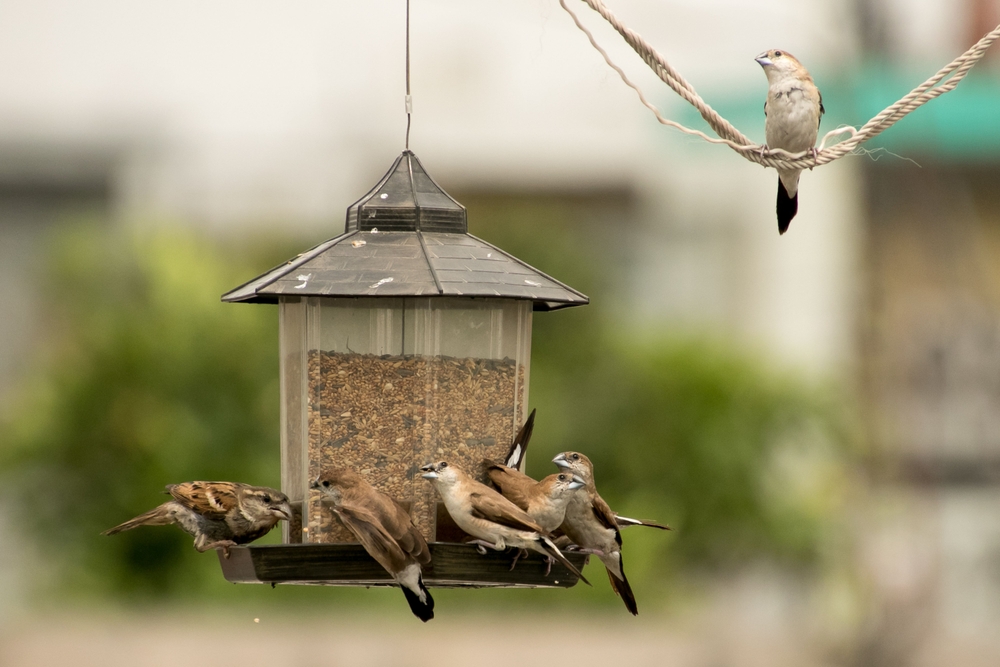
The biggest culprit is crowded, shared-surface feeders—especially platform feeders and tray-style setups where birds stand, walk, defecate, and eat all on the same surface. These feeders create perfect conditions for disease transmission because droppings, saliva, and contaminated food all mix together in one tight space.
When multiple birds feed shoulder-to-shoulder, common pathogens spread easily from beak to beak and foot to foot. Wildlife officials have linked these setups to outbreaks of diseases like salmonellosis, avian pox, trichomoniasis, and conjunctivitis, which causes swollen, crusty eyes in birds.
These illnesses don’t just affect one species either; they can spread quickly across different bird populations. What looks like a friendly community gathering can quietly turn into a disease hotspot in a matter of days.
Why Birds Get Sick So Fast Around Feeders
Birds are social by nature, which makes feeders incredibly attractive gathering points. When dozens of birds return to the same feeding surface every day, germs don’t just linger—they multiply. Moist seed, bird droppings, and food debris create a breeding ground for bacteria and parasites. Birds with weakened immune systems, juveniles, and migrating species are especially vulnerable to infection.
Once one sick bird enters the group, the disease can spread rapidly through contact and contaminated surfaces. Wildlife officials stress that feeders don’t cause diseases, but they dramatically accelerate transmission when hygiene and spacing aren’t managed properly.
Why Good Intentions Can Still Cause Harm
Most people who feed birds truly care about wildlife, which makes this issue emotionally tough. The instinct to provide food comes from kindness, not carelessness. Unfortunately, nature doesn’t respond to intentions—only to conditions. When food sources cluster animals unnaturally close together, disease dynamics change fast.
In the wild, birds spread out across wide areas, reducing constant contact and contamination. Feeders override that natural spacing and turn your backyard into a high-traffic wildlife hub. It’s not about guilt—it’s about understanding how small environmental changes can create big biological consequences.
How To Feed Birds Without Spreading Disease
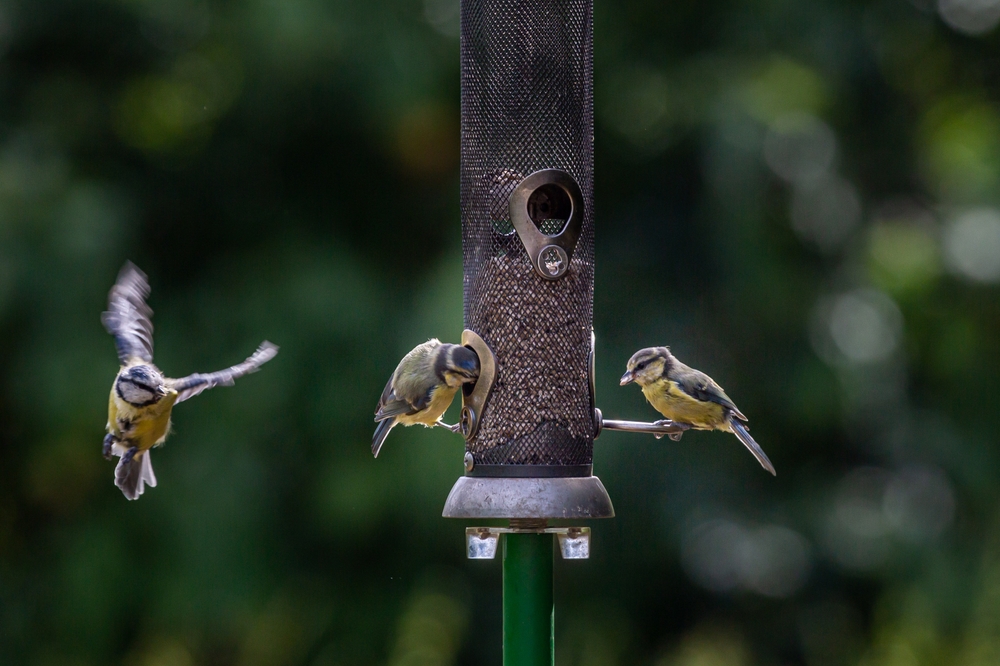
The solution isn’t stopping bird feeding—it’s feeding smarter. Switch from tray and platform feeders to tube feeders with separate perches to reduce surface contact. Space feeders farther apart so birds don’t cluster in one tight location. Clean feeders regularly with a diluted bleach solution and allow them to dry completely before refilling. Remove wet or moldy seed immediately and avoid letting seed accumulate on the ground underneath feeders.
If you notice sick birds—lethargic behavior, eye discharge, swelling, or breathing issues—take feeders down for at least two weeks to break the transmission cycle. This pause helps protect both your local bird population and migrating species passing through.
Why This Matters More Than Ever
Urbanization, habitat loss, and climate shifts already stress bird populations. Backyard feeders now play a larger role in bird survival than many people realize, especially during harsh seasons. That means they also carry more responsibility.
Wildlife officials emphasize that responsible feeding can support conservation, but careless setups can do the opposite. Your backyard might feel small in the grand scheme of nature, but for local birds, it’s part of their ecosystem. Smart feeding choices don’t just protect individual birds—they protect entire local populations.
A Backyard That Helps Instead of Hurts
Feeding birds should feel good, not risky. With small changes in setup, cleaning habits, and spacing, your feeder can become a safe haven instead of a disease hub. You don’t have to give up the joy of watching birds—you just have to make your backyard a healthier place for them. A clean feeder, better design, and mindful placement turn good intentions into real protection. Wildlife thrives when human kindness comes with informed action.
Have you ever noticed sick birds around your feeder, and would you change your setup now that you know what wildlife officials are warning about? Give us your bird-feeding tips in the comments below.
You May Also Like…
8 Backyard Birds You Can Attract Without Creating a Pest Problem
7 Birds And Wildlife Friendly Plants to Add in Winter
How to Make Your Yard a Haven for Birds and Pollinators This Winter
9 Shrubs With Berries Birds Rely on in Winter
Plant These Berries for a Winter Feast for Birds

Brandon Marcus is a staff writer for FrugalGardening.com at District Media, Inc., where he delivers practical gardening advice with a relatable, no-nonsense style. An avid amateur gardener, he holds a BA degree and with over ten years of professional writing experience, he is also an award-winning published author whose first book, Questions For Deep Thinkers, was released by Adams Media. His work has appeared in major publications including Fandom.com, CHUD.com, TheColdWire.com, and Fansided.com.
Leave a Reply