
Spring should feel joyful. Fresh air, brighter mornings, and those bold pops of color pushing up from the soil. But one of the season’s most beloved flowers carries a hidden punch that veterinarians see far too often. Tulip bulbs can send dogs to the emergency clinic fast, and the damage can turn serious before many people realize what’s happening.
The very plant that makes garden beds look magazine-perfect can make a curious dog violently ill in a matter of hours. That contrast feels unfair, but it also means we need to pay attention. Tulips deserve admiration from a distance, especially if a dog treats the backyard like a personal buffet.
Why Tulips Pose a Real Threat to Dogs
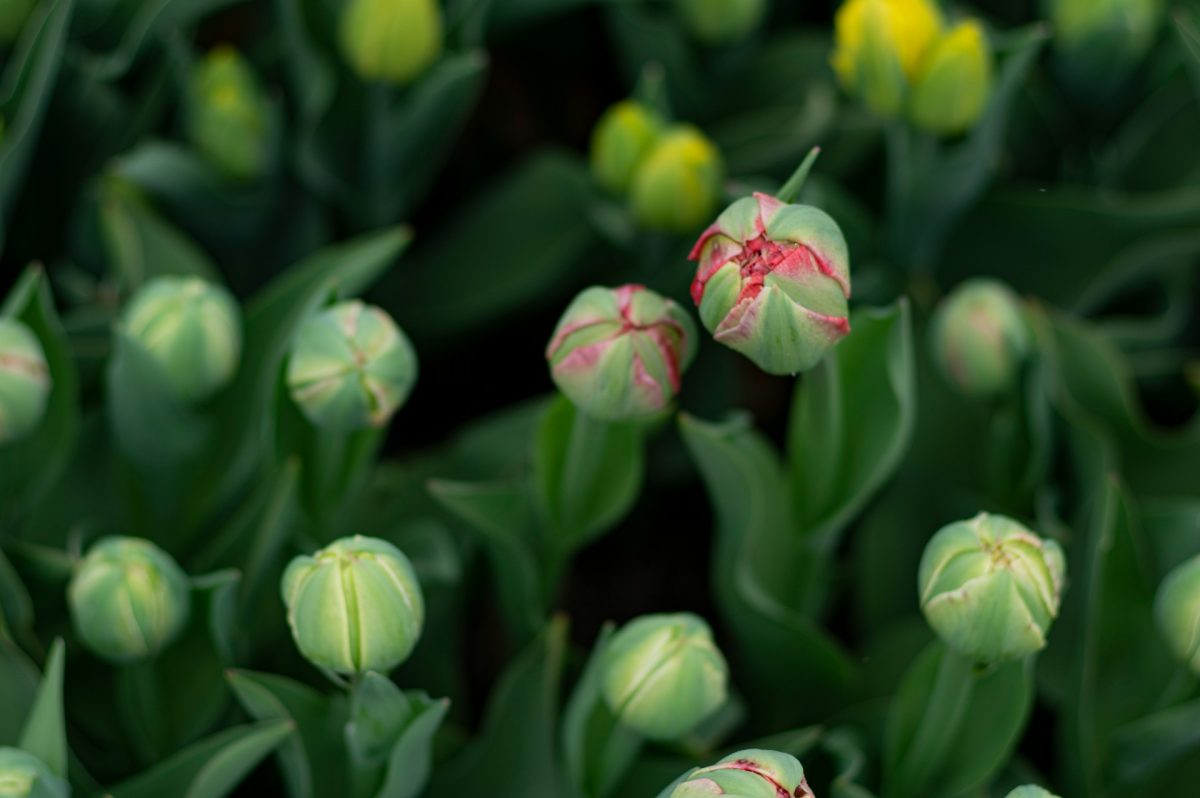
Tulips, known scientifically as Tulipa, contain compounds called tulipalin A and tulipalin B. These natural chemicals protect the plant from pests, but they irritate and inflame a dog’s digestive system quickly. The highest concentration sits in the bulb itself, which means digging dogs face the greatest risk. A single bite of a flower petal might cause mild stomach upset, but chewing or swallowing a bulb can trigger much more severe symptoms.
Veterinarians report cases every spring when dogs unearth freshly planted bulbs or raid garden beds that sat undisturbed all winter. The bulb’s strong odor and firm texture seem to attract certain dogs, especially those that love to dig. Once ingested, the toxins irritate the mouth, esophagus, and stomach lining. In more serious cases, tulip ingestion can lead to heart rate changes and breathing difficulty.
The ASPCA Animal Poison Control Center lists tulips as toxic to dogs, and they consistently advise immediate veterinary care if a dog consumes a significant amount, especially from the bulb. This doesn’t qualify as a rare or exaggerated risk. It happens every year, and it happens to attentive pet owners who simply didn’t know the danger.
What Tulip Poisoning Actually Looks Like
Tulip poisoning rarely stays subtle. Dogs usually show symptoms within a few hours after ingestion. Vomiting often starts first, sometimes intense and repeated. Diarrhea can follow, along with drooling and clear signs of stomach pain. Some dogs appear restless or uncomfortable, pacing or whining because their abdomen hurts.
If a dog consumes a larger quantity of bulb material, symptoms can escalate. An increased heart rate, irregular heartbeat, or difficulty breathing may develop. Severe cases can lead to tremors or weakness. Even contact with tulip sap can irritate a dog’s skin or mouth, causing redness or excessive licking.
Veterinarians take these cases seriously because dehydration and electrolyte imbalances can set in quickly after repeated vomiting or diarrhea. A dog that seems “just a little sick” in the morning can look dramatically worse by evening. Acting fast makes a meaningful difference in outcome.
The Backyard Danger Most People Overlook
Many people plant tulips in the fall, then forget about the bulbs until spring. Dogs, however, never forget where something interesting hides. When the soil softens after winter, the scent of those buried bulbs can draw a determined digger like a magnet. Even dogs who rarely dig may suddenly decide that one particular patch of earth needs investigation.
Landscaping companies often use tulips in public spaces, apartment complexes, and shared yards. That means the risk extends beyond private gardens. A quick walk through a neighborhood bursting with color can turn risky if a dog lunges toward a flower bed and grabs a bulb or chews on a plant.
Mulch can complicate matters. Freshly mulched beds often conceal recently planted bulbs, which makes it harder to see what a dog might uncover. Supervising outdoor time during peak planting and blooming seasons reduces the risk dramatically. A few extra minutes of watchfulness can prevent a frightening trip to the clinic.
What To Do If Your Dog Eats a Tulip
If you catch your dog chewing on a tulip bulb, act immediately. Remove any remaining plant material from their mouth if you can do so safely. Do not wait for symptoms to appear before seeking guidance. Call your veterinarian or contact the ASPCA Animal Poison Control Center right away for specific instructions based on your dog’s size and the amount ingested.
Do not induce vomiting unless a veterinary professional instructs you to do so. Certain situations make induced vomiting dangerous, especially if the dog already shows signs of distress. A veterinarian may recommend bringing your dog in for monitoring, fluids, and supportive care. Treatment often focuses on controlling vomiting, preventing dehydration, and monitoring heart function.
Bring a sample of the plant if possible. Identifying the exact species helps your veterinarian assess risk accurately. Quick action gives your dog the best chance at a smooth recovery, and most dogs recover well when they receive prompt care.
Safer Spring Alternatives for Dog-Friendly Yards
You do not need to give up color to protect your dog. Many spring flowers offer beauty without the same level of toxicity. Snapdragons, petunias, and certain varieties of roses generally pose less risk to dogs. Raised beds or fenced garden sections can also create a barrier between dogs and vulnerable plants. Some people train their dogs to avoid flower beds entirely, using consistent commands and positive reinforcement. While training takes time, it pays off every season.
Consider container gardening on patios or elevated surfaces if your dog shows strong digging instincts. Large pots placed out of reach reduce temptation and give you more control over what your dog can access. Thoughtful landscaping choices can transform a yard into a space that supports both vibrant blooms and wagging tails.
The Takeaway Every Dog Owner Should Carry Into Spring
Tulips look harmless, but their bulbs pack a toxic punch that can leave a dog dangerously ill within hours. Awareness changes everything. Knowing that the highest toxin concentration sits in the bulb helps you understand why digging behavior raises the stakes so quickly.
Spring should bring energy and renewal, not an emergency clinic visit. A quick check of your yard, careful supervision during walks, and smart plant choices create a safer environment without sacrificing beauty. Dogs explore the world with their noses and mouths, and that curiosity deserves protection, not punishment.
As gardens burst into color this season, what steps will you take to make sure your dog stays safe while everything blooms around them? All pet owners should head to the comments to talk.
You May Also Like…
Vets Issue New Alert: “Pet-Safe” Fertilizers Are Sending Dogs to the ER
Why Kale and Spinach Are the Underdogs of the November Garden
Experts Warn: Your Compost Pile Could Be Dangerous for Pets
The Invisible Garden Toxin Experts Say Is Contaminating Your Home-Grown Food
Pet Owners in the South Are Reporting Seizures Linked to This Garden Plant

Brandon Marcus is a staff writer for FrugalGardening.com at District Media, Inc., where he delivers practical gardening advice with a relatable, no-nonsense style. An avid amateur gardener, he holds a BA degree and with over ten years of professional writing experience, he is also an award-winning published author whose first book, Questions For Deep Thinkers, was released by Adams Media. His work has appeared in major publications including Fandom.com, CHUD.com, TheColdWire.com, and Fansided.com.
Leave a Reply