Fruit gardening can feel like a backyard treasure hunt, but not every plant plays nicely with its neighbors. Some fruit plants compete fiercely for nutrients, attract the same pests, or even stunt each other’s growth when placed too close together. A smart planting layout can mean the difference between a bumper harvest and a disappointing season.
Spacing fruit plants correctly helps reduce disease spread, improve pollination balance, and keep soil nutrients from draining too fast. Many gardeners focus on sunlight and watering, but overlook how much plant relationships matter underground and above the soil. These fruit pairings reveal which combinations deserve distance rather than proximity.
1. Apples and Cherries
Apple trees and cherry trees often struggle when planted in close quarters because they attract similar pests like aphids and borers. These insects can jump from one tree to another and multiply quickly in a shared space. Both trees also demand high nutrient levels, which leads to competition in smaller gardens. Soil exhaustion happens faster when their root systems overlap too tightly. Gardeners see weaker fruit production when these two trees compete side by side.
Apple trees also grow dense canopies that can shade cherry trees and reduce their sunlight exposure. Cherry trees need consistent light to develop sweet fruit and strong branching. When shading becomes uneven, cherry yields drop and fruit quality suffers. Planting them far apart allows each tree to develop its natural shape without interference. Separation keeps both trees healthier and more productive over time.
2. Strawberries and Raspberries
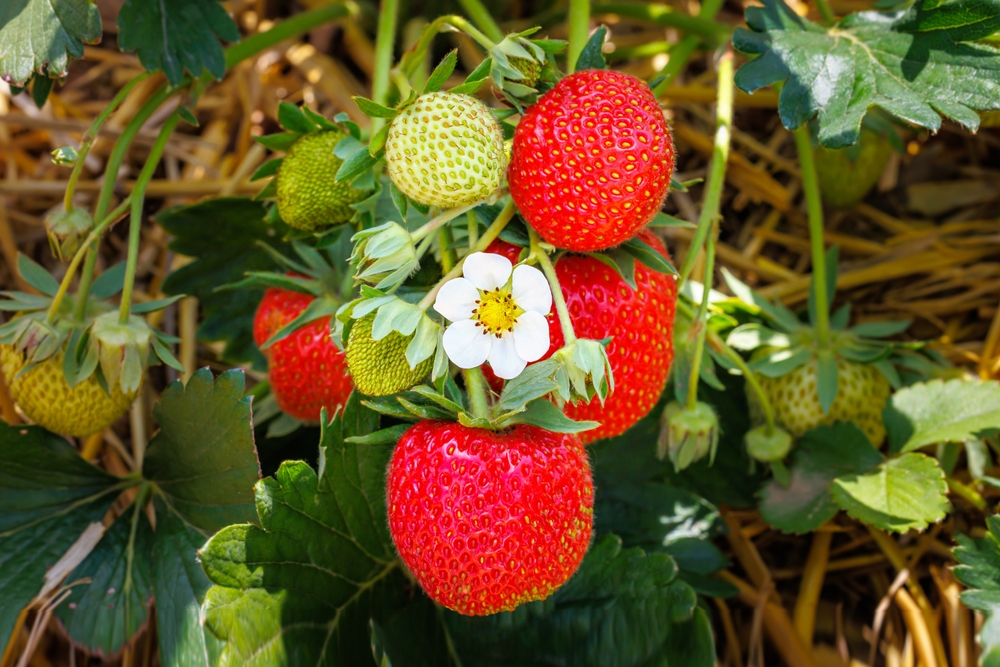
Strawberries and raspberries both spread aggressively and fight for ground space in garden beds. Their root systems expand quickly and crowd each other out when planted too close together. This leads to smaller berries and weaker plants overall. Fungal diseases also spread easily between them in moist soil conditions. Airflow improves significantly when gardeners give each plant its own dedicated area.
Raspberries grow tall canes that can overshadow strawberry plants and block essential sunlight. Strawberries rely on full sun to produce sweet, evenly sized fruit. When shaded too often, strawberry production declines sharply. Raspberries also produce suckers that invade nearby beds and disrupt tidy strawberry rows. Proper spacing helps both crops maintain strong seasonal yields.
3. Citrus and Avocados
Citrus trees and avocado trees both demand rich soil, but they do not share resources well when planted too close. Avocados develop large, thirsty root systems that pull significant moisture from the ground. Citrus trees respond poorly to inconsistent water levels and may drop fruit prematurely. Nutrient competition becomes intense in confined spaces. Gardeners often notice slower growth in both trees when they share limited ground space.
Temperature and microclimate differences also create challenges for this pairing. Citrus prefers slightly more stable warmth, while avocados tolerate broader fluctuations. When planted together, one tree often adapts better and outcompetes the other. This imbalance leads to uneven fruit production year after year. Distance helps both trees maintain their natural growing conditions without interference.
4. Grapes and Strawberries
Grapes and strawberries may seem compatible at first, but they compete heavily for sunlight and soil nutrients. Grapevines spread upward and outward, creating thick shade that strawberries cannot tolerate. Strawberries lose vigor quickly when sunlight drops below optimal levels. Both plants also attract similar fungal diseases in humid environments. Overcrowding increases the risk of mildew spreading across the garden bed.
Grapevines develop deep root systems that pull moisture from surrounding soil zones. Strawberries depend on steady surface moisture to produce healthy berries. When grapes dominate underground resources, strawberries suffer from stress and reduced fruit size. Gardeners often notice patchy strawberry beds near vigorous grapevines. Keeping distance ensures balanced growth for both crops.
5. Peaches and Apricots
Peach trees and apricot trees belong to the same stone fruit family, which means they attract many of the same pests and diseases. Bacterial spot and brown rot spread quickly when these trees grow near each other. Infections move easily through shared pollinators and windborne spores. Fruit quality declines when disease pressure increases. Orchard management becomes much more difficult without spacing.
Both trees also compete for nutrients during peak growing seasons. Their heavy fruit loads require large amounts of potassium and nitrogen. When planted too closely, soil depletion happens faster than expected. This leads to smaller fruit and weaker branches over time. Giving each tree space reduces stress and improves long-term productivity.
6. Bananas and Citrus
Banana plants grow rapidly and demand enormous amounts of water and nutrients from the soil. Citrus trees struggle when nearby bananas absorb too many shared resources. This imbalance often leads to reduced citrus flowering and poor fruit development. Banana leaves also cast heavy shade that limits citrus sun exposure. Light reduction directly impacts citrus sweetness and size.
Wind patterns also shift in gardens with dense banana growth. Citrus trees prefer steady airflow to prevent fungal issues. Bananas, however, create dense clusters that block circulation. This trapped humidity encourages disease buildup in citrus leaves. Proper separation keeps both plants healthier and easier to manage.
7. Blueberries and Grapes
Blueberries and grapes both produce delicious fruit, but they differ greatly in soil preference and growth habits. Blueberries require acidic soil, while grapes prefer more neutral conditions. When planted together, one plant usually struggles to adapt. Soil adjustments that benefit one often harm the other. This creates a long-term imbalance in shared garden beds.
Grapevines also grow aggressively and can overshadow low blueberry bushes. Blueberries need consistent sunlight to produce large, sweet berries. When shaded, blueberry yields drop and fruit quality declines. Grapes also compete heavily for water during hot seasons. Keeping these plants separate ensures healthier harvests for both crops.
8. Mangoes and Citrus
Mango trees and citrus trees both enjoy warm climates, but they compete intensely when planted too close together. Mango roots expand widely and absorb large amounts of nutrients from the surrounding soil. Citrus trees struggle when nutrient availability drops suddenly. This leads to reduced flowering and inconsistent fruiting cycles. Gardeners often notice slower citrus growth near established mango trees.
Mango canopies also grow dense and cast wide shadows over nearby plants. Citrus trees need steady sunlight to maintain fruit sweetness and size. When shade dominates, citrus production declines noticeably. Mango trees also release compounds that can subtly affect nearby plant growth. Proper spacing prevents these long-term imbalances.
Smart Spacing Creates Healthier Fruit Harvests
Fruit trees and shrubs perform best when each one receives its own space to access sunlight, nutrients, and airflow. Crowding creates hidden competition that weakens plants long before visible symptoms appear. Thoughtful spacing also reduces pest transfer and disease spread across the garden. Gardeners who plan layouts carefully often enjoy more consistent and flavorful harvests. Healthy separation allows each fruit plant to express its natural growth potential without interference.
Which fruit pairing has caused trouble in your garden, and what changes made the biggest difference?
You May Also Like…
Why Your Tomatoes Look Healthy But Produce Almost No Fruit
Why Overripe Fruits Invite More Fall Pests
10 Fruits to Preserve While They’re at Peak Flavor
The Backyard Gardening Trend That’s Exploding Across America This Summer
7 Vegetables People Are Panic-Planting Again Because Grocery Prices Won’t Stop Rising

Brandon Marcus is a staff writer for FrugalGardening.com at District Media, Inc., where he delivers practical gardening advice with a relatable, no-nonsense style. An avid amateur gardener, he holds a BA degree and with over ten years of professional writing experience, he is also an award-winning published author whose first book, Questions For Deep Thinkers, was released by Adams Media. His work has appeared in major publications including Fandom.com, CHUD.com, TheColdWire.com, and Fansided.com.
Leave a Reply