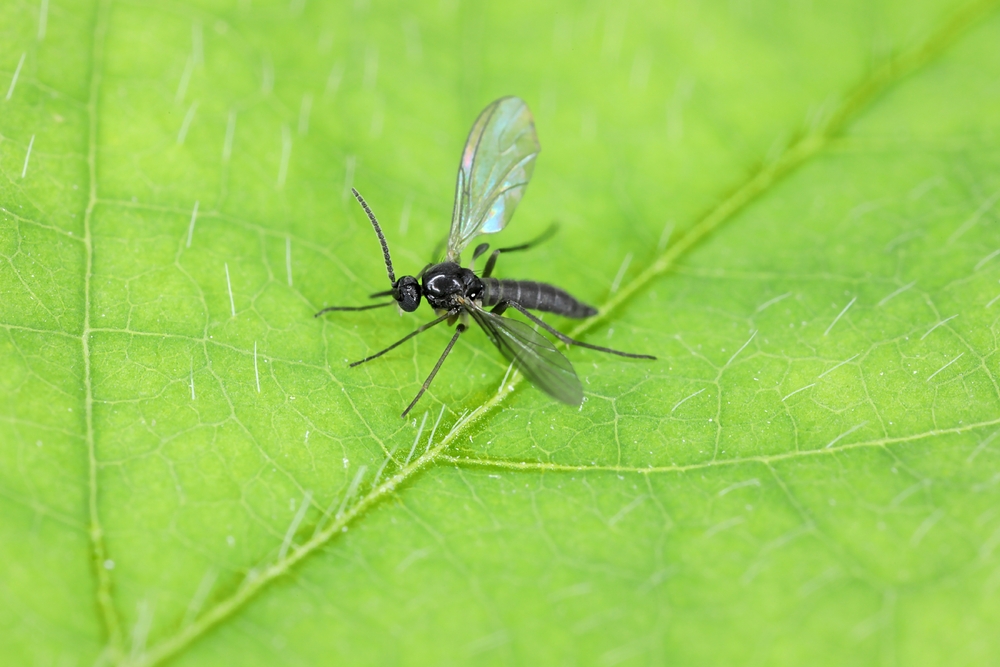
A cloud of tiny black flies hovering over a plant can ruin the entire vibe of a beautiful indoor garden in seconds. Those little pests don’t just look annoying, they signal a deeper issue happening right at the soil level. Fungus gnats thrive in damp conditions, and they turn overwatered soil into their personal breeding ground faster than most plant owners expect.
Healthy plants deserve better than becoming a bug nursery, and getting rid of fungus gnats naturally doesn’t require harsh chemicals or complicated routines. A few smart changes, a little consistency, and some strategic gardening habits can shut down the problem completely while keeping plants strong and thriving. The goal isn’t just to kill the gnats; it’s to create an environment where they never want to come back.
Dry Soil, Strong Roots, No Gnats Allowed
Fungus gnats love moisture more than anything else, and that single fact shapes the entire strategy for getting rid of them. Wet soil gives adult gnats the perfect place to lay eggs, and those eggs quickly turn into larvae that feed on organic matter and sometimes even delicate roots. Cutting off that moisture breaks their life cycle in a simple but powerful way. Letting the top layer of soil dry out completely between waterings immediately makes the environment less inviting.
Plants don’t suffer from slightly drier soil as much as people tend to assume, especially when the watering schedule becomes more intentional. Instead of following a rigid routine, checking the soil with a finger or a moisture meter gives a much clearer picture of what the plant actually needs. That shift alone can transform plant health while reducing pest issues. Overwatering creates more problems than underwatering in most indoor setups, and fungus gnats thrive because of that imbalance.
Switching to a well-draining soil mix also plays a huge role in controlling moisture levels. Dense, compacted soil holds onto water longer than necessary, which creates the perfect environment for gnats to multiply. Adding materials like perlite or sand improves airflow and drainage, making it harder for larvae to survive. Strong roots grow better in that kind of environment, which means healthier plants overall. When soil dries properly and drains efficiently, fungus gnats lose their favorite hiding spot.
The Sticky Trap Trick That Actually Works
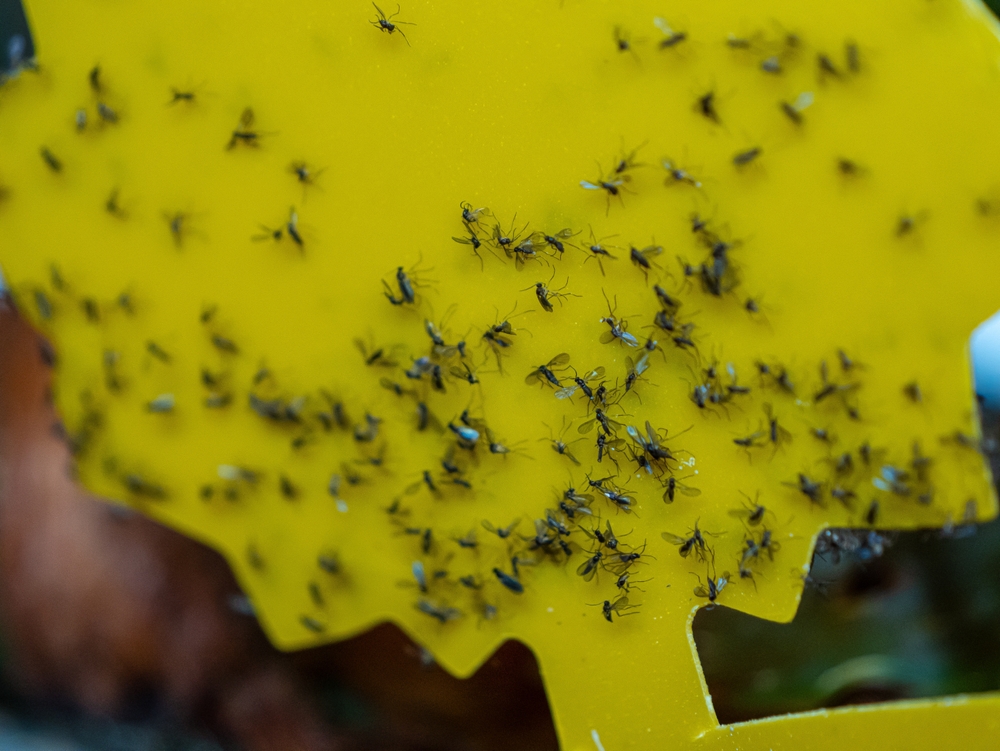
Adult fungus gnats don’t live long, but they reproduce quickly, which makes controlling the adult population essential. Yellow sticky traps offer one of the simplest and most effective natural solutions for catching those flying pests. The bright color attracts gnats almost instantly, and the adhesive surface traps them before they can lay more eggs. Placing these traps just above the soil creates a frontline defense that reduces the population fast.
This method works best when combined with other strategies, since it targets the adult stage rather than the larvae in the soil. Still, it provides immediate visual feedback, which helps track progress and identify how severe the infestation has become. Watching those traps fill up may not feel glamorous, but it delivers results that speak for themselves. Consistency matters here, and replacing traps regularly keeps the system effective.
Positioning also makes a difference, since gnats tend to hover near the soil surface. Keeping traps close to the base of the plant increases the chances of catching them early. Some gardeners place multiple traps around heavily infested plants to speed up the process. This simple tool doesn’t solve everything on its own, but it plays a crucial role in breaking the cycle when paired with proper soil care.
Cinnamon and Nature’s Quiet Power Move
Cinnamon might belong in the kitchen, but it brings surprising benefits to plant care as well. This common spice contains natural antifungal properties that help reduce the fungi that gnat larvae feed on. Sprinkling a thin layer of cinnamon over the soil surface creates a less appealing environment for both the larvae and the fungi that support them. That simple step can slow down the infestation while supporting overall soil health.
Using cinnamon doesn’t require heavy application or complicated steps. A light, even dusting across the top layer of soil works well without overwhelming the plant. This method pairs nicely with improved watering habits, since dry conditions enhance its effectiveness. While cinnamon alone won’t eliminate a severe infestation, it adds another layer of defense that contributes to long-term control.
Natural solutions like this often work best when combined rather than used in isolation. Cinnamon supports a healthier soil ecosystem, which reduces the chances of future infestations. It also offers a low-risk option for plant owners who prefer to avoid stronger treatments. A balanced approach that includes multiple natural methods tends to deliver the most reliable results.
Sand, Gravel, and the Barrier Strategy
Physical barriers can stop fungus gnats before they even get started, and this approach feels surprisingly effective once put into practice. Covering the top layer of soil with sand or fine gravel creates a dry, inhospitable surface that prevents gnats from laying eggs. This barrier also limits the ability of newly emerged adults to escape, which disrupts the life cycle from both directions.
Choosing the right material matters, since coarse sand or small pebbles allow airflow while still blocking access to the moist soil beneath. A thin but consistent layer works best, as it maintains the barrier without suffocating the plant. This method pairs well with proper watering techniques, since it helps keep the surface dry even when deeper soil remains hydrated. The result creates a more balanced environment that supports plant health while discouraging pests.
This strategy also adds a clean, polished look to potted plants, which makes it both practical and visually appealing. Many indoor gardeners appreciate solutions that improve aesthetics while solving real problems. Consistency remains key, and maintaining that barrier ensures long-term effectiveness. When combined with other methods, this simple step can significantly reduce gnat activity.
Beneficial Nematodes: Tiny Allies in the Soil
Not all microscopic organisms cause trouble, and some actually help restore balance in the soil. Beneficial nematodes act as natural predators that target fungus gnat larvae directly. Once introduced into the soil, these tiny organisms seek out larvae and eliminate them before they can mature into adults. This biological control method works efficiently without harming plants or beneficial insects.
Applying nematodes requires following specific instructions, usually involving mixing them with water and applying them to moist soil. Timing matters, since they perform best in conditions that support their survival. Once established, they continue working beneath the surface, reducing the larval population over time. This approach tackles the root of the problem rather than just the visible symptoms.
Natural pest control methods like this highlight how a balanced ecosystem can solve issues without relying on harsh chemicals. Beneficial nematodes provide a targeted solution that aligns with sustainable gardening practices. Combining this method with proper watering and surface barriers creates a powerful, multi-layered defense system. Healthy soil supports healthy plants, and these microscopic allies help make that possible.
Neem Oil and the Gentle Knockout
Neem oil has earned a strong reputation in the gardening world for good reason, and it plays a valuable role in controlling fungus gnats. This natural oil disrupts the life cycle of many pests, including gnat larvae, while remaining safe for most plants when used correctly. Mixing neem oil with water and applying it to the soil can reduce larval activity and discourage future infestations.
Consistency drives success with neem oil, since repeated applications ensure that new generations don’t take hold. Applying it during regular watering routines helps integrate it into plant care without adding extra steps. Following recommended dilution guidelines prevents potential plant stress while maximizing effectiveness. This method works especially well when paired with improved drainage and moisture control.
Neem oil also supports overall plant health by addressing other common pests that may appear alongside fungus gnats. A single solution that tackles multiple issues simplifies maintenance and keeps plants thriving. While it may not deliver instant results, it contributes to a steady and reliable reduction in pest activity. Patience and consistency turn this gentle treatment into a powerful tool.
A Gnat-Free Garden Starts with Smarter Habits
Eliminating fungus gnats naturally doesn’t require a single miracle solution, but it does demand a thoughtful approach that addresses both the symptoms and the cause. Dry soil, proper drainage, physical barriers, and natural treatments all work together to create an environment where gnats simply can’t thrive. Each step strengthens the overall system, turning a frustrating problem into a manageable routine.
Strong habits shape long-term success, and small adjustments can make a huge difference in plant health and pest control. A consistent watering routine, attention to soil quality, and regular monitoring keep everything in balance. These strategies don’t just remove gnats; they create a healthier, more resilient indoor garden that looks and feels better over time.
Which natural method feels like the easiest win for your plant setup, and what’s been the most stubborn pest battle so far? Share your strategies, experiments, or even plant victories in the comments and keep the conversation growing.
You May Also Like…
How to Protect Garden Borders From Pests
How to Stop Mold and Fungus Before They Harm New Growth
The Cheapest Way to Build a Compost Bin
12 Of The Worst Garden Pests And How To Get Rid Of Them
This One Winter Gardening Habit Could Be Spreading Invasive Pests Across the South

Brandon Marcus is a staff writer for FrugalGardening.com at District Media, Inc., where he delivers practical gardening advice with a relatable, no-nonsense style. An avid amateur gardener, he holds a BA degree and with over ten years of professional writing experience, he is also an award-winning published author whose first book, Questions For Deep Thinkers, was released by Adams Media. His work has appeared in major publications including Fandom.com, CHUD.com, TheColdWire.com, and Fansided.com.
Leave a Reply