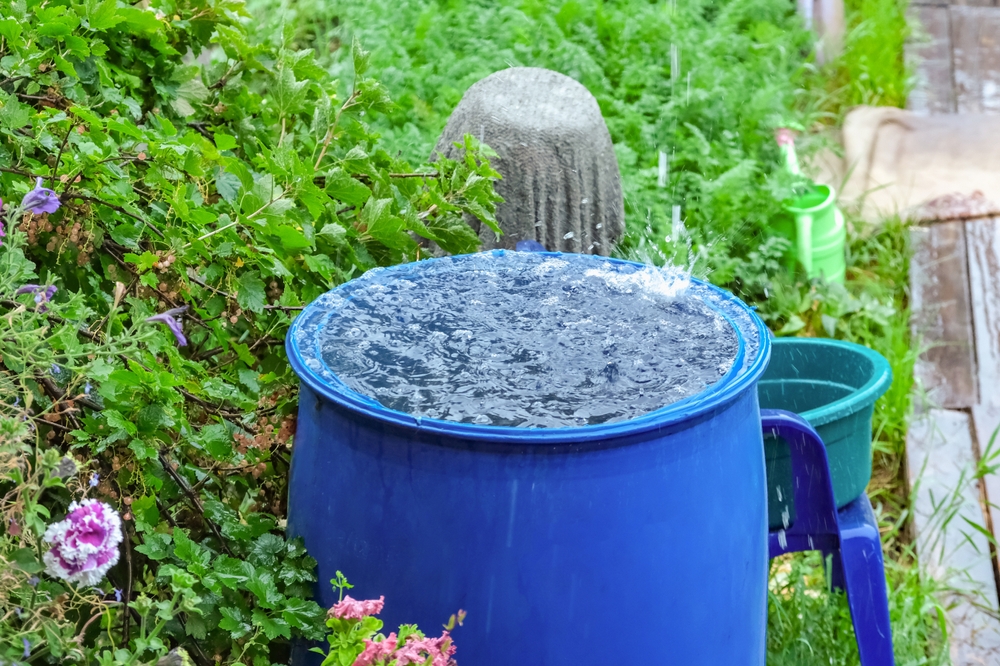
Rainwater can become a wonderfully useful garden resource, but a forgotten bucket of it can also become an open invitation to mosquitoes. A properly designed rain barrel lets gardeners capture roof runoff for watering plants while keeping insects out of the stored water. The trick involves treating rainwater storage as part of the garden system, not as a giant outdoor drinking glass for every mosquito in the neighborhood.
That does not require turning the backyard into a laboratory or checking the barrel with a flashlight every evening. A few smart design choices, regular maintenance, and some attention to where the water goes can keep the setup useful without creating a mosquito nursery. Rainwater harvesting should make gardening easier, not add a buzzing subplot to every trip outside.
Start With a Properly Covered Container
A rain barrel needs a lid or a fine-mesh screen over every opening where mosquitoes could enter, because adult mosquitoes can use standing water as a place to lay eggs. Penn State Extension recommends covering rain barrel openings with fine mesh, with one current recommendation specifying mesh no larger than 1/16 inch. A barrel with a charmingly rustic open top might look appealing in a garden, but mosquitoes will appreciate the design much more than the gardener will. Check the screen regularly for tears, gaps, or loose edges, especially after storms and windy weather.
The lid also keeps leaves, twigs, insects, and other debris from turning the barrel into a miniature compost experiment. A good setup typically combines a sealed lid, screened inlet, overflow outlet, and spigot, which keeps the collected water contained while giving excess rain somewhere useful to go. If a screen develops even a small hole, repair or replace it instead of hoping mosquitoes somehow respect property boundaries. They do not.
Keep the Water Moving Through the Garden
Stored rainwater becomes much less troublesome when gardeners actually use it instead of letting it sit indefinitely. Connect the barrel to a hose or watering can and use the collected water on appropriate garden plants, then allow new rainfall to replenish the supply. Penn State Extension recommends routine cleaning and notes that regular water use can help prevent mosquito problems when the barrel stays covered.
Give the barrel a periodic inspection while checking the rest of the watering system. Clear debris from screens, check fittings and hoses, and clean the inside of the barrel periodically so sediment does not accumulate. A rain barrel should function like a useful garden tool, not like an outdoor storage closet that happens to contain water. Regular use also gives gardeners a reason to notice leaks, damaged screens, clogged inlets, or other small problems before they become larger headaches.
Give Overflow Somewhere Sensible to Go
Rain barrels cannot hold every drop that lands on a roof, so a reliable overflow outlet matters just as much as the barrel itself. Direct overflow toward a garden, lawn, rain garden, or another suitable drainage area rather than toward the house foundation, driveway, or sidewalk. That simple detail prevents one water-management project from creating another soggy problem a few feet away.
Pay attention to the ground around the barrel after a heavy storm. If overflow creates a puddle that remains for days, adjust the hose, grading, or receiving area so the water can drain properly. The same principle applies to saucers, buckets, wheelbarrows, clogged gutters, and other objects around the yard because mosquitoes do not care whether standing water came from a carefully designed rain barrel or a forgotten flowerpot. The CDC recommends regularly removing or draining outdoor containers that can hold standing water.
Add Bti When Water Must Remain Exposed
Some garden water features cannot drain easily, and some rainwater systems may require a treatment when gardeners cannot completely eliminate standing water. Products containing Bacillus thuringiensis israelensis, commonly called Bti, target mosquito larvae and can provide another tool for appropriate standing-water situations. Bti does not replace a lid or screen on a rain barrel, because stopping adult mosquitoes from reaching the water remains the first line of defense.
Always check the product label before using any larvicide and follow its directions exactly. The label determines where the product can go, how much to use, and how often to apply it, so more product does not mean better mosquito control. For a typical rain barrel, a properly fitted cover and regular water use provide a much simpler solution than reaching for a treatment first. Think of Bti as a backup tool for situations where standing water genuinely needs to remain in place, not as permission to ignore a torn screen.
Make Rainwater Part of a Bigger Garden Routine
A rain barrel works best when it fits naturally into the rest of the garden rather than sitting forgotten behind the shed. Check the barrel whenever gutters need cleaning, inspect the screen during regular garden chores, and make sure the overflow still reaches an appropriate drainage area. Penn State Extension recommends periodic inspection, debris removal, cleaning, and seasonal maintenance, including protecting barrels from freezing conditions. Those little checks take far less effort than dealing with a neglected barrel full of debris, algae, stagnant water, and mosquitoes.
It also helps to remember that rainwater collected from roofs can pick up leaf litter, bird droppings, and substances from roofing materials, so stored water generally makes more sense for lawns, ornamental plants, shrubs, and trees than for drinking. Gardeners can get plenty of value from that water without treating the barrel like a household water supply. With a secure cover, sensible overflow, regular use, and routine cleaning, rainwater can become one of those wonderfully practical garden resources that quietly does its job in the background. The best mosquito prevention plan often looks surprisingly boring: keep the water covered, keep the system maintained, and do not give mosquitoes a convenient place to move in.
Turn Every Raindrop Into a Garden Helper
Rainwater reuse does not require sacrificing the comfort of a mosquito-free yard. A well-covered barrel, intact screen, functional overflow, and regular maintenance can turn roof runoff into useful irrigation water while limiting the standing water mosquitoes need for breeding. The garden gets an extra source of water, and the mosquitoes get a very firm invitation to find somewhere else to hang out. That sounds like a pretty fair arrangement for everyone involved.
Does a rain barrel have a place in the garden, or have mosquitoes made the idea seem more trouble than it is worth? Share your rainwater collection tips, successes, or hard-earned lessons in the comments.
You May Also Like…
Can You Train Cucumbers Across a Fence Late in the Season?
6 Gutter-Free Ways to Catch Rainwater From a Garden Shed
Should You Cut Back Perennials That Flop After Heavy Rain?
Homeowners in These 3 States Need To Know The Rules About Collecting Rainwater
What Is the Right Time to Stop Watering Winter Squash?

Brandon Marcus is a staff writer for FrugalGardening.com at District Media, Inc., where he delivers practical gardening advice with a relatable, no-nonsense style. An avid amateur gardener, he holds a BA degree and with over ten years of professional writing experience, he is also an award-winning published author whose first book, Questions For Deep Thinkers, was released by Adams Media. His work has appeared in major publications including Fandom.com, CHUD.com, TheColdWire.com, and Fansided.com.
Leave a Reply