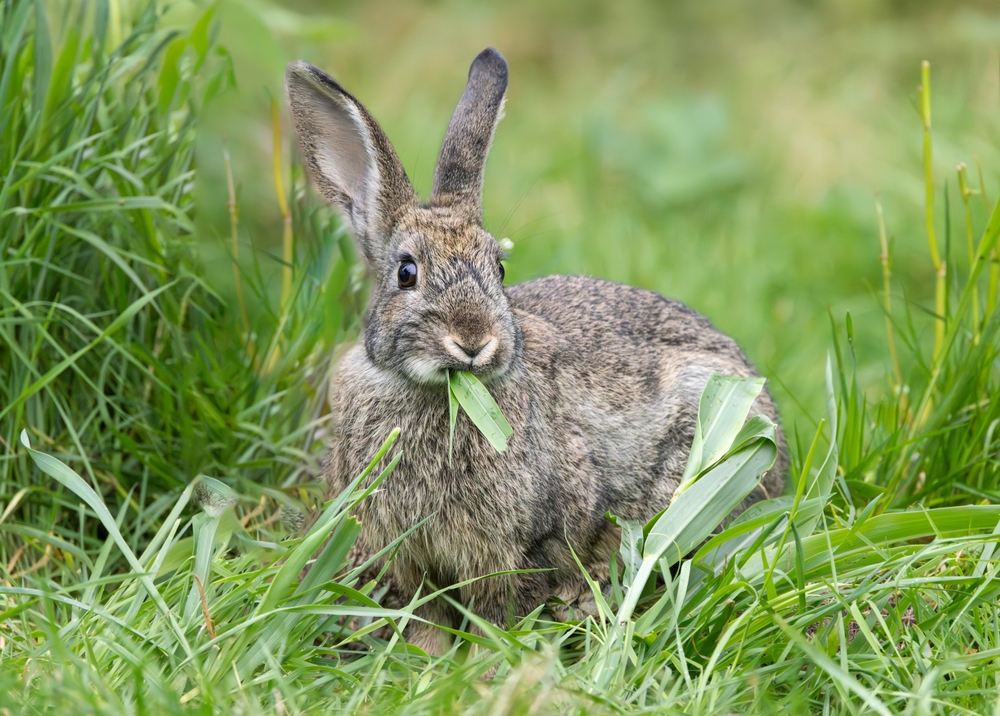
Fall offers a wonderful window for planting seedlings, but the garden buffet can look even more appealing to wildlife once summer food sources disappear. Young vegetables, herbs, flowers, and newly planted trees often present tender stems and leaves that rabbits, deer, squirrels, voles, and other hungry visitors can find remarkably convenient.
Thankfully, protecting those plants does not require turning the garden into a miniature fortress or buying a cartload of fancy gadgets. A few inexpensive barriers, some careful placement, and regular inspections can keep hungry animals from turning fresh fall plantings into an all-you-can-eat snack bar.
Start With the Animal, Not the Plant
The smartest protection begins with identifying the culprit because a rabbit and a deer do not shop at the same height. Rabbits tend to feed close to the ground and can chew stems and bark, while deer browse higher foliage and can quickly strip tender growth from young plants.
Look closely at the damage before buying anything, because tooth marks, broken stems, missing leaves, and browsing height can reveal plenty. A seedling that suddenly loses its top growth may need a very different defense than one that shows neat chewing around its lower stem.
Once the culprit becomes clear, match the barrier to the animal instead of covering everything with the same material. Small-mesh hardware cloth works well around plants that need protection from rabbits and other small mammals, while larger fencing or individual guards can help with deer.
Turn Hardware Cloth Into a Tiny Fortress
Hardware cloth ranks among the handiest low-cost materials for protecting small seedlings because gardeners can cut it, shape it, and reuse it. Around young woody plants, a cylinder of roughly one-quarter-inch mesh can keep rabbits and other small animals from reaching tender bark and stems.
Keep the barrier several inches away from the plant so hungry teeth cannot simply reach through the mesh. For rabbits, extend the barrier well above the expected snow line in places with snowy winters, and secure the bottom closely against the soil so animals cannot squeeze underneath.
That last detail matters more than it sounds, because a beautiful little cage with a convenient gap underneath basically advertises the garden’s security flaw. Check the barrier after watering, heavy rain, wind, and the first serious frost, since shifting soil or loose stakes can create openings.
Use Row Covers for Tender Fall Crops
Floating row cover offers another inexpensive trick, particularly for small vegetable beds where wildlife and insects both create headaches. Hoops can lift the fabric above seedlings, while the cover allows sunlight and rain to reach plants without leaving tender foliage completely exposed.
Secure the edges firmly because an animal needs only one loose corner to turn a protective cover into a personal entrance. Row cover also provides some protection from cold, which makes it especially useful when fall temperatures start swinging between pleasantly mild afternoons and decidedly chilly nights.
Do not treat row cover as a set-it-and-forget-it solution, though, because plants continue growing underneath it and some crops eventually need pollinators. Remove covers from crops that require insect pollination once flowering begins, and inspect the plants regularly for crowding, moisture problems, or damage.
Give Deer a Reason to Shop Somewhere Else
Deer create a tougher challenge because ordinary short garden fencing rarely convinces them to stay out. When deer pressure becomes heavy, an approximately 8-foot woven-wire fence can provide effective exclusion, although that approach costs more and requires more installation work than a small seedling guard.
For a handful of seedlings, individual cages often make more financial sense than fencing the entire yard. Tree tubes, wire cages, and other protectors can shield young plants from browsing while allowing gardeners to concentrate materials exactly where animals cause the most trouble.
Placement can also make a difference, particularly when a garden sits near natural cover where animals already travel. Avoid leaving obvious gaps beneath fencing, and inspect the protected area regularly because deer can push against loose barriers while smaller animals can exploit surprisingly tiny openings.
Make the Garden Less Inviting
Physical barriers usually offer the most dependable defense, but the surrounding landscape can influence how attractive a seedling patch looks to wildlife. Rabbits and other small mammals appreciate sheltered areas such as brush piles and dense vegetation, so reducing hiding places near vulnerable plants can make the immediate garden less comfortable for them.
That does not mean turning the yard into a sterile landscape, because wildlife still plays an important role outdoors. Instead, keep especially vulnerable seedlings away from obvious animal pathways when practical, remove dense cover immediately around protected plants, and avoid creating cozy little hideouts directly beneath valuable new plantings.
Repellents can sometimes add another layer of protection, but they require maintenance and usually work best as part of a broader strategy rather than as magical wildlife force fields. Rain can reduce their effectiveness, and determined animals may ignore them when food becomes scarce.
Spend Money Where It Actually Helps
The cheapest protection often comes from using materials already sitting in the shed, garage, or recycling pile. Old wire fencing, sturdy garden stakes, leftover row-cover fabric, and reusable hoops can all become useful defenses when gardeners focus on blocking access rather than decorating the garden.
Start with the plants that matter most, especially newly planted seedlings that cannot afford repeated damage. A small cage around one valuable plant can cost far less than fencing an entire bed, and gardeners can expand protection later if wildlife pressure increases.
Think of the setup as temporary insurance rather than a permanent architectural project. Once seedlings grow beyond the vulnerable stage, gardeners can remove or adjust barriers, clean the materials, and save them for the next planting season. Regular inspection remains the secret weapon because a five-minute garden walk can reveal a loose edge, fresh tracks, chewed stems, or a gap before a small problem becomes a very hungry disaster.
Give Young Plants a Fighting Chance
Fall seedlings do not need expensive gadgets or an elaborate fortress to make it through wildlife pressure. They need the right barrier for the animal involved, secure installation, and enough attention to catch problems before hungry visitors return for seconds.
A simple hardware-cloth cage can protect a vulnerable stem, row cover can shield a bed of tender vegetables, and taller fencing can handle serious deer pressure. The best approach often combines several inexpensive tactics rather than relying on one miracle product. Most importantly, inspect protection regularly and adjust it as plants grow. A barrier that works beautifully for a tiny seedling can become restrictive later, while a small opening that seemed harmless in October can become a welcome invitation by November.
Which low-cost wildlife protection trick has worked best in your fall garden?
You May Also Like…
What Is the Best Way to Clean a Birdbath Without Harming Wildlife?
Poison Ivy Isn’t the Only Plant Gardeners Should Learn to Recognize
These Birdseed Additives Are Spreading Salmonella—Wildlife Officials Sound the Alarm
March Garden Pests That Show Up Before You Notice the Damage
Low-Cost Ways to Keep Deer Away From Ripening Crops

Brandon Marcus is a staff writer for FrugalGardening.com at District Media, Inc., where he delivers practical gardening advice with a relatable, no-nonsense style. An avid amateur gardener, he holds a BA degree and with over ten years of professional writing experience, he is also an award-winning published author whose first book, Questions For Deep Thinkers, was released by Adams Media. His work has appeared in major publications including Fandom.com, CHUD.com, TheColdWire.com, and Fansided.com.
Leave a Reply