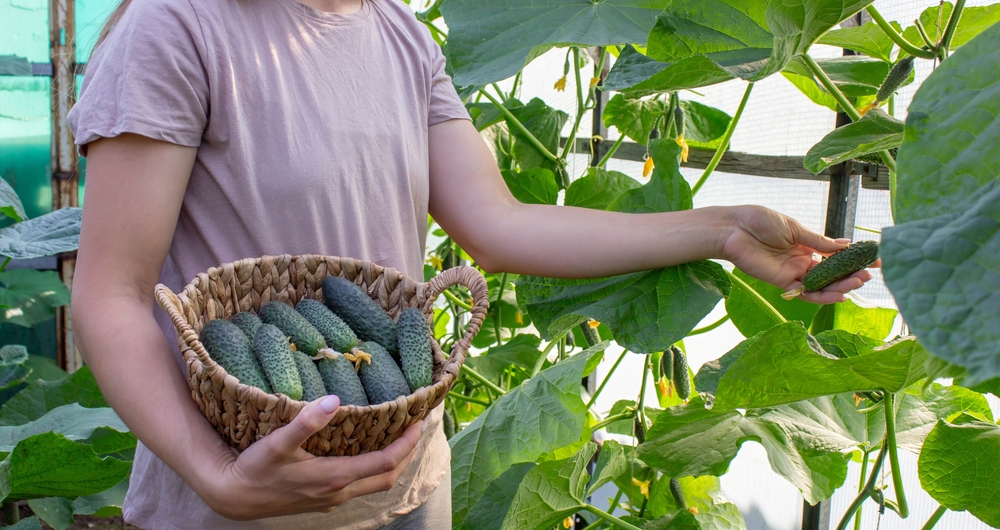
Cucumbers can learn a new direction late in the growing season, and a fence can make a surprisingly useful trellis. The trick involves guiding the vines gently rather than treating them like unruly garden spaghetti that needs immediate discipline. If the plants still look healthy and continue producing new growth, redirecting the vines can help get foliage and developing cucumbers off the ground and into better sunlight and airflow.
Late-season training does require a lighter touch than early-season training. Older cucumber vines can become tangled, brittle, and surprisingly easy to damage when someone tries to yank a stubborn stem toward a fence. A few minutes of careful guiding can improve the plant’s growing space, while one aggressive tug can turn a promising vine into a sad green casualty.
Look at the Vine Before You Start
The best candidates for late-season training have flexible new growth near the growing tip, even if the older sections of the vine have already sprawled across the garden. Follow the vine from the soil upward and identify the newest section before moving anything. That tender section gives the plant the easiest path toward the fence because it bends more readily than an older, stiffened stem.
Leave firmly established sections alone whenever possible, especially if they already carry flowers, young cucumbers, or a thick tangle of stems. Instead, gently reposition the growing tip and the newest foot or so of vine toward the fence. This approach works with the plant’s natural growth rather than forcing an older section into an awkward position.
Let the Cucumbers Do Some of the Climbing
Cucumber vines come equipped with tendrils that naturally grab nearby supports, so the fence does not need to do all the work. Once a growing tip reaches the fence, loosely position the vine against the mesh or wire and give the tendrils something they can wrap around. A small garden clip, soft plant tie, or strip of fabric can hold the vine in place while it gets established on its new route.
Avoid tying the stem tightly because cucumber vines expand quickly and need room to move. Check the plant every few days and guide fresh growth through or along the fence instead of repeatedly rearranging older sections. The goal resembles giving a wandering toddler a hand in the right direction, not putting the vine in a botanical straightjacket.
Know When to Stop Moving Things
Late-season training works best when the plant still has plenty of healthy new growth, but timing matters because every growing season eventually runs out of runway. If the cucumber has already developed a huge, tangled canopy with brittle stems and declining leaves, extensive rearranging may cause more damage than benefit. In that situation, leave most of the established vine alone and guide only the fresh growth that remains flexible.
Watch for yellowing leaves, powdery mildew, pest damage, or a general decline in vigor before investing much effort in training. Moving a stressed plant around will not solve the underlying problem, and excessive handling can add another source of damage. A little strategic guidance can help, but late summer is not the time for a complete cucumber architectural renovation.
Give the Fence a Little Help
A fence can work beautifully as cucumber support, but the design matters more than gardeners sometimes expect. Chain-link fencing and garden mesh provide plenty of places for tendrils to grab, while smooth boards or wide, solid panels give vines far fewer opportunities to climb. If the fence offers little grip, add sturdy horizontal or vertical supports that give the tendrils something they can actually wrap around.
Also inspect the fence before directing a productive vine onto it because a heavy crop can put surprising strain on weak supports. Keep developing cucumbers from hanging in awkward gaps where they could become trapped or damaged as they enlarge. With suitable support and gentle guidance, the fence can turn an unruly cucumber patch into a much tidier vertical garden.
Training Can Improve More Than Appearance
Getting cucumber vines off the soil can make harvesting easier because fruit becomes easier to spot instead of hiding beneath a leafy jungle. Vertical growth can also improve air movement around foliage, although it cannot eliminate fungal diseases when humidity, wet leaves, or poor growing conditions encourage them. Better positioning can also keep developing cucumbers away from muddy soil and reduce the chance of stepping on vines during harvesting.
The biggest mistake involves treating training as a race against the calendar. A cucumber plant does not need every inch of its vine perfectly arranged to produce useful food, and late-season gardening often rewards selective intervention rather than perfection. Guide the newest growth, secure it loosely, leave productive older sections alone, and let the plant finish the season with as little drama as possible.
Give That Cucumber Vine a Gentle Nudge
Late-season cucumber training absolutely can work, particularly when flexible new growth still reaches toward the fence. The safest method involves guiding rather than bending, securing rather than strangling, and working with the plant’s natural climbing habits. A fence with mesh or other narrow supports gives cucumber tendrils a useful framework, while soft ties can provide temporary assistance when the plant needs a little direction.
Would you train a cucumber vine across a fence this late in the season, or would you leave the garden spaghetti alone and let it finish the summer?
You May Also Like…
Can a Wilted Cucumber Plant Bounce Back Overnight?
7 Reasons Your Cucumbers Keep Dying Early
5 Vegetables That Can Handle a Shadier Summer Corner
Can Reflective Mulch Improve Harvests in Small Vegetable Beds?
Is It Time to Stop Encouraging New Growth on Perennials?

Brandon Marcus is a staff writer for FrugalGardening.com at District Media, Inc., where he delivers practical gardening advice with a relatable, no-nonsense style. An avid amateur gardener, he holds a BA degree and with over ten years of professional writing experience, he is also an award-winning published author whose first book, Questions For Deep Thinkers, was released by Adams Media. His work has appeared in major publications including Fandom.com, CHUD.com, TheColdWire.com, and Fansided.com.
Leave a Reply