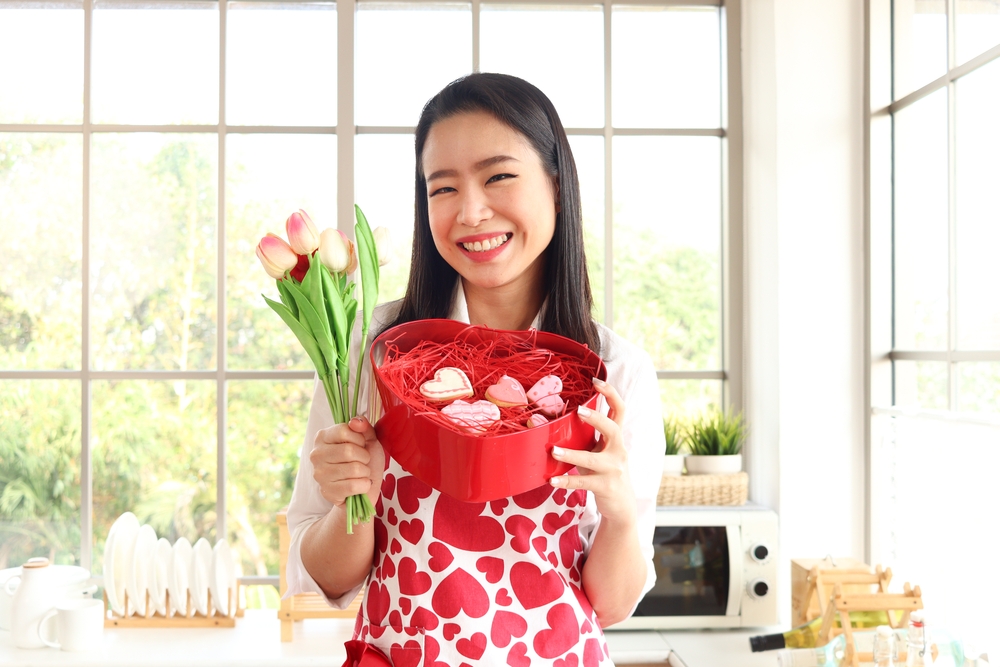
Crafting your own Valentine’s bouquet is charming and from the heart. It feels personal, creative, and far more genuine than grabbing a pre-made arrangement on the way home.
But as more people turn to DIY floral projects, horticulture experts are waving a gentle but important red flag: those gorgeous stems you’re gathering may be carrying more than romance into your home. Hidden among the petals and foliage, tiny hitchhikers are waiting for the perfect opportunity to settle into your indoor plants. And once they do, they can spread faster than you’d ever expect.
The Hidden Guests Riding In on Fresh Cut Flowers
Fresh flowers—whether from a florist, a grocery store, or your own backyard—can harbor a surprising variety of pests. Aphids, thrips, spider mites, and even scale insects are all known to cling to stems and leaves, especially during transport. These pests aren’t a sign of poor quality; they’re simply part of the natural world that flowers grow in. When you bring those blooms indoors, you’re also bringing in whatever was living on them.
Experts note that cut flowers often bypass the same scrutiny and quarantine processes that potted plants undergo. That means a bouquet can look flawless while still carrying pests too small to spot at a glance. Once inside, these insects can migrate to your houseplants, where they find warm temperatures, stable humidity, and plenty of fresh growth to feed on. A single infested bouquet can lead to weeks of battling pests you never intended to invite inside.
Why DIY Bouquets Increase the Risk
Store-bought arrangements are typically assembled in controlled environments, but DIY bouquets often involve mixing stems from multiple sources. Maybe you pick up roses from a supermarket, greenery from a garden center, and filler flowers from a local market. Each source has its own growing conditions, pest pressures, and handling practices. When you combine them, you’re essentially creating a floral melting pot—and pests thrive on that kind of diversity.
Another factor is that DIY bouquets tend to be handled more casually. People often skip steps like rinsing stems, inspecting leaves, or trimming away damaged areas. It’s easy to get caught up in the creative process and forget that flowers are living materials with their own ecosystems. Even a quick glance isn’t enough to catch early-stage infestations, especially when pests hide in tight clusters or along the undersides of leaves. If you’re crafting bouquets at home, taking a few extra minutes to inspect your materials can save you a lot of trouble later.
The First Thing Experts Want You to Check
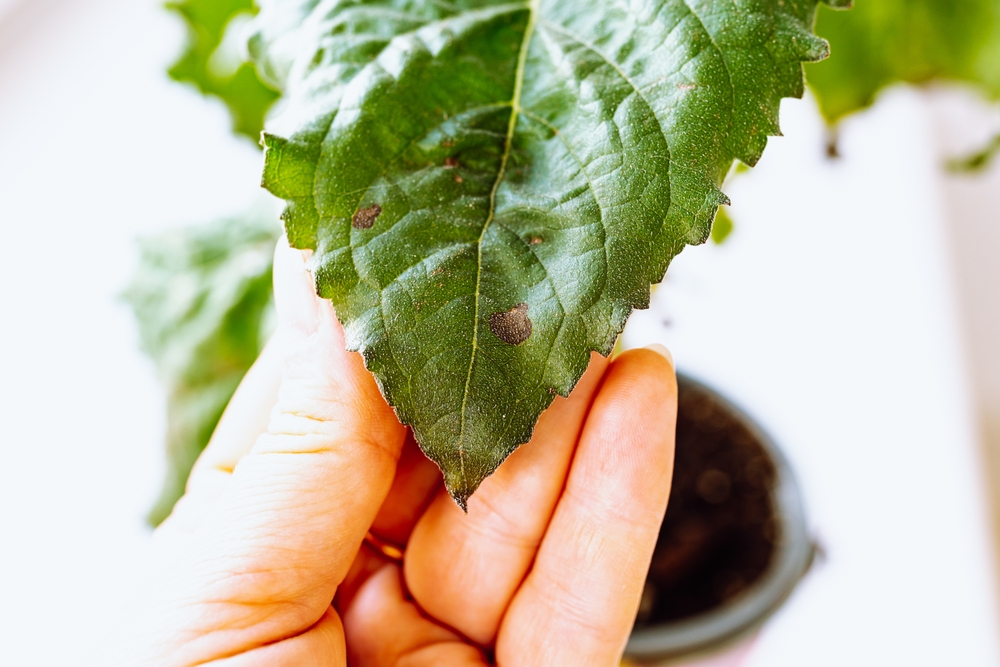
Before you bring any bouquet—DIY or otherwise—into your home, experts recommend inspecting the foliage and blooms under bright light. Look closely at the undersides of leaves, the joints where stems meet, and any areas that appear sticky or discolored. Sticky residue can indicate honeydew, a sugary substance produced by sap-feeding insects like aphids and scale. Tiny speckles or silvery streaks may point to thrips, while fine webbing is a classic sign of spider mites.
If you spot anything suspicious, isolate the bouquet in a separate room or outdoors while you decide how to handle it. You can rinse stems under cool water, remove heavily infested pieces, or treat the bouquet with a gentle insecticidal soap. Even if everything looks clean, giving the stems a quick rinse is a smart precaution.
How to Keep Your Indoor Garden Safe
Once your bouquet passes inspection, you can enjoy it without worrying about your houseplants. Still, it’s wise to keep fresh flowers and potted plants a few feet apart, especially during the first couple of days. This gives you time to notice any late-emerging pests before they have a chance to migrate.
If you’re a frequent bouquet-maker, consider setting up a small “quarantine zone” near a sink or utility area where you can inspect and rinse new flowers. You can also keep a magnifying glass handy—pests like thrips and mites are tiny enough that even experienced gardeners sometimes miss them. And if you want to go the extra mile, choose flowers known for being less prone to pest issues, such as chrysanthemums, carnations, or alstroemeria.
A Valentine’s Bouquet That Loves Your Plants Back
DIY Valentine’s bouquets are a beautiful way to celebrate the season, but they’re even better when they don’t come with unexpected complications. A little inspection goes a long way toward protecting your indoor garden from pests that can spread quickly once they find a cozy home. By taking a moment to check your flowers before arranging them, you’re not only preserving your plants—you’re ensuring your bouquet brings nothing but joy into your space.
What kinds of flowers do you love using in your DIY bouquets, and have you ever found pests hiding in your arrangements? Give us your stories and advice in our comments section below.
You May Also Like…
Homeowners in These 5 States Are Being Fined for Growing These “Invasive” Flowers
Why Some States Are Now Paying Homeowners to Plant Native Wildflowers
6 Flowers That Self-Seed and Return Without Effort
9 Flowers That Thrive With Less Fertilizer Than You Think
8 Flowers to Dry for Winter Bouquets

Brandon Marcus is a staff writer for FrugalGardening.com at District Media, Inc., where he delivers practical gardening advice with a relatable, no-nonsense style. An avid amateur gardener, he holds a BA degree and with over ten years of professional writing experience, he is also an award-winning published author whose first book, Questions For Deep Thinkers, was released by Adams Media. His work has appeared in major publications including Fandom.com, CHUD.com, TheColdWire.com, and Fansided.com.
Leave a Reply