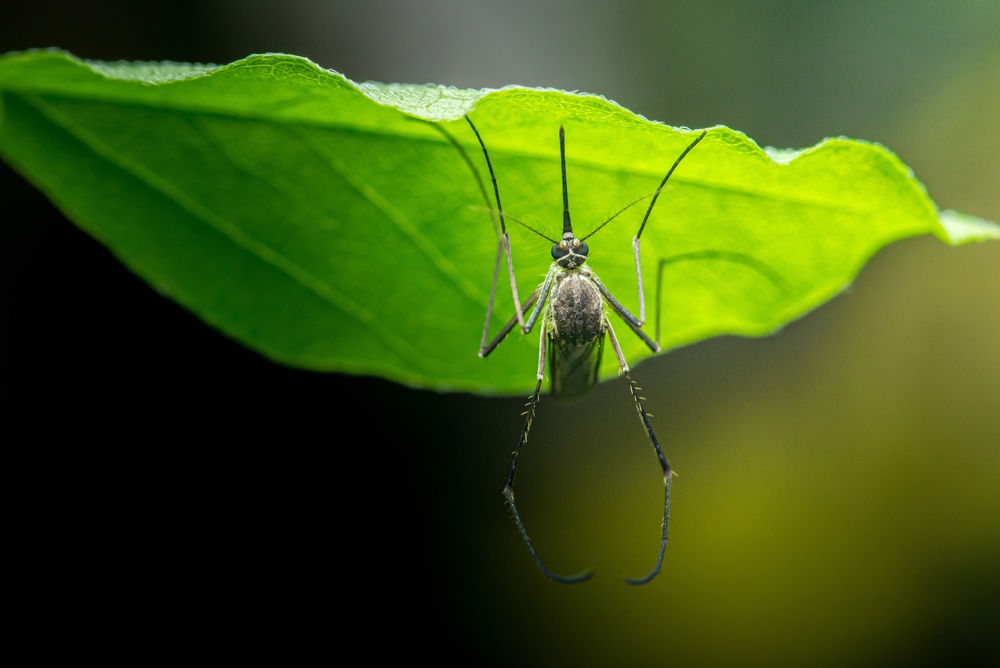
A peaceful backyard can turn uncomfortable fast when mosquitoes move in and take over every evening gathering. Many gardeners focus on flowers, mulch, and décor while accidentally creating the perfect breeding conditions for biting insects. Small habits and overlooked details often invite mosquitoes without any obvious warning signs. The good news comes from simple corrections that make a big difference almost immediately. A few smart changes can transform a buggy yard into a far more enjoyable outdoor space.
Warm weather draws people outside, but it also activates mosquito activity at full speed. Standing water, dense vegetation, and poorly managed garden features all contribute to higher mosquito populations. Even well-maintained yards sometimes hide trouble spots that support breeding cycles.
1. Overwatering Containers and Planters
Overwatering container plants creates damp soil that holds moisture for long periods. Mosquitoes often lay eggs in soggy soil near the surface, especially when drainage holes clog. Many gardeners water on a schedule instead of checking soil moisture, which increases the risk of constant wet conditions. Healthy plants prefer balanced watering rather than soaking conditions that attract pests. Checking soil dryness before watering helps prevent excess moisture from building up.
Drainage plays a major role in mosquito prevention around potted plants. Containers without proper holes trap water and turn into breeding pockets after rain or watering. Elevating pots slightly allows airflow and faster drying of soil. Saucer trays beneath pots also collect water and need frequent emptying. Simple watering adjustments dramatically reduce mosquito attraction around container gardens.
2. Letting Standing Water Sit in Yard
Standing water creates the number one breeding ground for mosquitoes in any yard. Buckets, wheelbarrows, tarps, and forgotten toys often collect rainwater without notice. Even small amounts of water support mosquito larvae within days. Regular yard inspections help remove these hidden water pockets before they become a problem. Emptying and storing items upside down keeps water from collecting.
Low spots in the lawn also trap rainwater after storms. These damp areas stay active long after the rest of the yard dries out. Filling depressions with soil or improving drainage prevents long-term pooling. Gutters that overflow also contribute to standing water near the home’s foundation. Eliminating all stagnant water sources stops mosquitoes from completing their life cycle.
3. Overgrown Grass and Dense Shrubs
Tall grass gives mosquitoes cool, shaded places to rest during hot daytime hours. Thick shrubs trap humidity and reduce airflow, which creates ideal hiding zones. Many yards develop dense growth along fences and corners where maintenance often gets delayed. Regular trimming improves sunlight exposure and reduces moisture retention in vegetation. A well-kept lawn limits the shelter mosquitoes rely on for survival.
Overgrown areas also make it harder to spot standing water and debris. Mosquitoes use these hidden zones to stay close to breeding sites while avoiding predators. Pruning shrubs to allow airflow helps dry out damp areas faster. Lawn mowing on a consistent schedule prevents grass from becoming a mosquito refuge. Clean edges and open spaces reduce insect activity significantly.
4. Unclean Gutters and Downspouts
Clogged gutters collect leaves, dirt, and water that mosquitoes quickly use for breeding. Rainwater sits in blocked channels and creates a steady supply of stagnant pools. Many homeowners overlook gutters during regular yard maintenance, especially during fall and spring transitions. Cleaning gutters restores proper water flow and prevents pooling along the roof edges. This simple task protects both landscaping and outdoor comfort.
Downspouts that fail to direct water away from the home also create wet zones near foundations. Mosquitoes often gather in these damp corners where moisture stays consistent. Installing splash blocks or extensions helps move water farther into the yard. Regular inspections after storms keep drainage systems functioning properly. Clean gutters eliminate one of the most overlooked mosquito breeding sources.
5. Compost Bins Without Proper Sealing
Open compost bins attract mosquitoes with their mix of moisture and organic material. Food scraps and yard waste create warm, damp environments that support insect breeding. Many gardeners forget to turn compost regularly, which increases moisture buildup. Proper aeration keeps the compost dry enough to discourage mosquito activity. A well-managed bin reduces odors and pest attraction.
Lids and tight covers play a major role in mosquito prevention. Loose or uncovered bins allow insects to access decaying material easily. Adding dry materials like leaves balances moisture levels inside the compost. Positioning bins away from shaded corners improves airflow and drying. Careful compost management keeps the system productive without inviting pests.
6. Improper Mulch Usage
Thick layers of mulch trap moisture and create cool hiding spots for mosquitoes. Over-mulching around plants holds water longer than necessary after rain or watering. Organic mulch breaks down over time and retains even more moisture in dense piles. Spreading mulch too deeply often leads to damp soil conditions that attract insects. Using a moderate layer improves plant health without encouraging pests.
Mulch placement matters just as much as thickness. Piling mulch against plant stems or tree trunks creates damp pockets that stay wet for long periods. Keeping mulch slightly away from plant bases improves airflow and reduces moisture buildup. Choosing coarse mulch instead of fine textures helps water drain more efficiently. Proper mulch techniques support gardens without supporting mosquito populations.
7. Outdoor Lighting Choices That Attract Bugs
Bright white outdoor lights attract insects, including mosquitoes that follow prey into illuminated areas. Poor lighting placement near seating areas increases nighttime mosquito activity. Many yards use excessive lighting that disrupts natural insect behavior patterns. Switching to warmer-toned bulbs reduces attraction and improves outdoor comfort. Strategic lighting placement keeps gathering spaces enjoyable after sunset.
Motion-activated lighting also helps reduce constant insect gathering. Continuous lighting draws more bugs than necessary, especially near vegetation. Positioning lights away from shrubs and water features lowers insect concentration. Combining lower-intensity lighting with shaded seating areas creates a more balanced environment. Smart lighting choices improve both ambiance and pest control.
8. Ignoring Birdbaths and Water Features
Birdbaths and fountains often become mosquito nurseries when water sits unchanged. Stagnant water allows larvae to develop quickly in warm weather. Many decorative water features go unchecked for several days at a time. Regular cleaning and water changes interrupt mosquito breeding cycles. Fresh water keeps birdbaths useful without turning them into pest magnets.
Fountains that stop circulating water also create breeding opportunities. Pumps require consistent maintenance to ensure proper movement. Adding small aquatic-safe treatments helps discourage larval growth. Positioning water features in sunny areas reduces mosquito comfort levels. Active maintenance keeps decorative water features safe and enjoyable.
9. Leaving Pet Water Bowls Outdoors Overnight
Pet water bowls left outside overnight often collect mosquito eggs. Still water offers an easy breeding site close to ground level. Many pet owners refill bowls daily but forget to bring them indoors. Emptying bowls at night eliminates one of the simplest mosquito attractors. Clean water routines protect both pets and outdoor environments.
Shaded areas around feeding stations increase mosquito activity even more. Water that sits for long periods becomes especially attractive during warm evenings. Using elevated or covered stations reduces exposure to insects. Frequent rinsing prevents the buildup of organic residue that attracts pests. Simple nighttime habits make a noticeable difference in mosquito control.
Small Yard Habits That Quiet Mosquito Activity Before It Starts
Mosquito control depends on consistency rather than complicated treatments or expensive products. Small oversights like standing water or overgrown corners quickly turn into major pest problems. Regular yard inspections help catch issues before mosquitoes establish breeding cycles. Simple adjustments in watering, cleaning, and maintenance routines reduce insect activity dramatically. A proactive approach creates a more comfortable outdoor space all season long.
What yard habit has caused the most mosquito trouble, and what fix worked best?
You May Also Like…
Which Plant Pairings Naturally Reduce Pests and Improve Yields
7 Natural Repellents That Help Keep Insects Away
Grow Your Own Medicine Cabinet: Affordable Herbs to Plant This Summer
Why Some Gardens Attract More Pests
12 Of The Worst Garden Pests And How To Get Rid Of Them

Brandon Marcus is a staff writer for FrugalGardening.com at District Media, Inc., where he delivers practical gardening advice with a relatable, no-nonsense style. An avid amateur gardener, he holds a BA degree and with over ten years of professional writing experience, he is also an award-winning published author whose first book, Questions For Deep Thinkers, was released by Adams Media. His work has appeared in major publications including Fandom.com, CHUD.com, TheColdWire.com, and Fansided.com.
Leave a Reply