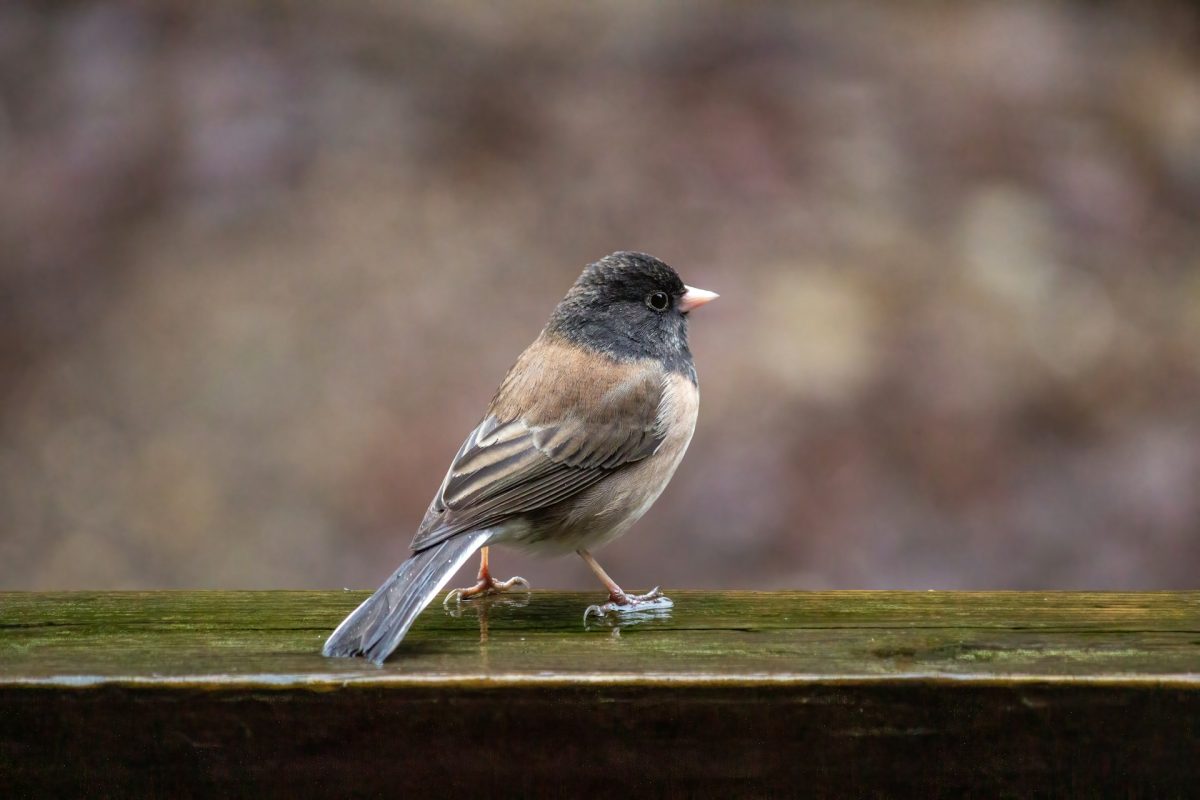
A garden bursting with life feels like a small victory against chaos, but nothing tests that victory faster than a flock of determined birds zeroing in on freshly planted seeds. Those tiny sprouts represent effort, patience, and a hopeful plan for the weeks ahead, and they deserve a fighting chance. Protecting them does not require expensive gear or complicated systems, though. It simply takes a bit of creativity, a few household items, and a willingness to outsmart some very clever feathered visitors.
Birds bring beauty and balance to outdoor spaces, but they also follow their instincts with impressive efficiency, especially when easy food sits right in front of them. That means a gardener must think just as strategically, building deterrents that interrupt those instincts without causing harm. The good news lies in how simple and effective these DIY solutions can be.
1. Shiny Distractions That Turn Birds Away Fast
Birds rely heavily on their vision, which makes reflective surfaces one of the easiest ways to disrupt their confidence around a garden. When sunlight hits shiny objects, it creates flashes and unpredictable movement that birds interpret as danger, prompting them to steer clear. This method works especially well in open spaces where sunlight can bounce freely throughout the day. Old CDs, aluminum foil strips, or even reflective tape can transform into powerful deterrents without costing a dime. Hanging these items from stakes, fences, or nearby branches adds motion, which increases their effectiveness dramatically. The key lies in spacing them out so that light catches from multiple angles instead of clustering everything in one spot. A garden filled with subtle flashes feels chaotic to birds, even if it looks charmingly quirky to anyone else.
Placement matters just as much as the materials themselves, and a thoughtful setup can turn a simple trick into a reliable defense system. Hanging reflectors at varying heights creates a layered effect that protects both low seedlings and slightly taller plants. Gentle wind adds constant motion, so even a light breeze keeps the deterrent active throughout the day. Gardeners who want a slightly more polished look can opt for purpose-made reflective tape, which blends better while still delivering strong results. Regularly checking and repositioning these items ensures they stay effective, since birds can grow accustomed to anything that remains too predictable. A small adjustment every few days keeps the illusion of danger fresh and convincing.
2. The Power of Motion: Homemade Garden Spinners
Nothing unsettles a cautious bird quite like sudden movement, and that makes spinning objects a powerful ally in seed protection. A simple DIY spinner made from plastic bottles, paper pinwheels, or even repurposed packaging can create just enough motion to keep birds guessing. These spinning deterrents catch both light and wind, doubling their effectiveness without adding complexity. When a bird approaches and sees an object moving unpredictably, it often decides the area feels too risky to explore. That hesitation gives seedlings the time they need to establish strong roots and grow beyond their most vulnerable stage.
Creating these spinners takes only a few minutes, but placement turns them into a true defense system. Installing them near freshly planted rows ensures they guard the most sensitive areas right away. Mixing different sizes and shapes adds variety, which prevents birds from recognizing a pattern and becoming comfortable again. A lightweight design works best, since even a gentle breeze can keep it in motion for hours. Gardeners can also add a bit of reflective material to enhance the visual effect without complicating the build. Keeping the spinners clean and occasionally moving them to new positions helps maintain their impact over time.
3. Netting Without the Headache: A Simple Barrier That Works
Physical barriers offer one of the most reliable ways to protect seeds and seedlings, and garden netting leads the pack for a reason. Unlike visual deterrents, netting creates a clear boundary that birds cannot easily bypass. Lightweight mesh allows sunlight, air, and water to pass through while keeping curious beaks at a safe distance. Setting up netting does not require advanced skills, and it adapts to almost any garden layout. A few stakes or hoops can hold it above the soil, creating a protective dome that shields delicate plants without crushing them. This approach works particularly well for gardeners who want a low-maintenance solution that does not rely on constant adjustments.
Careful installation ensures netting remains both effective and safe for wildlife. Securing the edges tightly prevents birds from slipping underneath, which could lead to frustration or accidental entanglement. Choosing a mesh size that blocks access while avoiding overly fine material keeps things practical and breathable. Gardeners who want flexibility can use removable netting, lifting it easily when watering, weeding, or checking plant progress. Keeping the netting clean and free of debris also improves airflow and visibility. Once seedlings grow stronger and less appealing to birds, removing the netting opens the space again without disrupting the garden’s natural rhythm.
4. Scare Tactics That Actually Work (Without Looking Terrible)
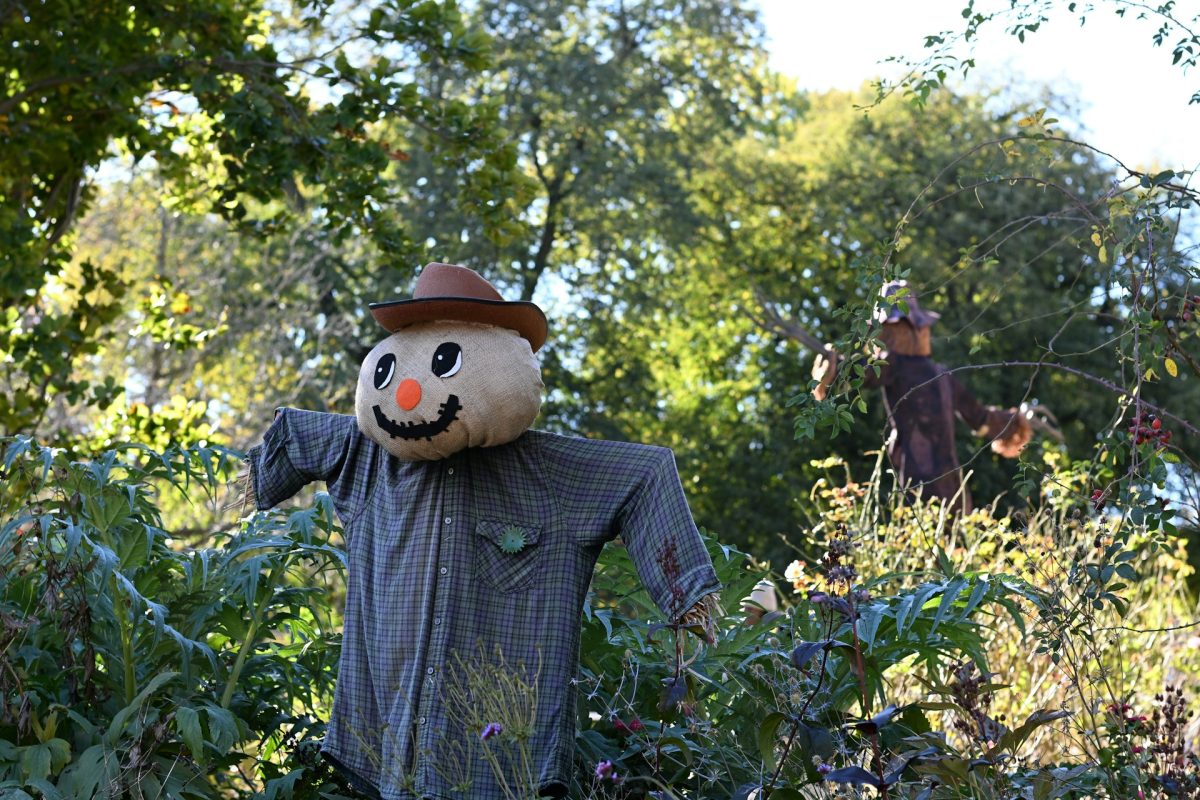
Traditional scare tactics often bring to mind clunky scarecrows, but modern DIY versions lean toward subtlety and clever design. Birds quickly learn to ignore stationary figures, so the trick involves adding movement and unpredictability to any scare element. A simple silhouette of a predator bird, mounted on a flexible pole, can sway in the wind and create the illusion of life. Even streamers attached to a central post can mimic motion that birds associate with danger. The goal involves creating just enough uncertainty to keep birds from settling in comfortably, rather than overwhelming the space with bulky decorations.
Combining visual cues with motion creates a layered deterrent that feels more convincing to birds. Rotating scare elements every few days keeps them from becoming familiar, which helps maintain their effectiveness. Gardeners can experiment with different shapes, colors, and materials to see what works best in their specific environment. Keeping designs simple ensures they remain easy to adjust or replace when needed. A well-placed, thoughtfully designed scare tactic blends into the garden while still sending a clear message to passing birds. That balance keeps the space attractive without sacrificing protection.
5. Scent and Texture: The Underrated Double Defense
Birds rely less on smell than many other animals, but strong or unusual scents can still make an area feel less inviting. Pairing scent with texture creates a more noticeable deterrent that disrupts both comfort and curiosity. Sprinkling spices like chili powder or garlic powder lightly around planting areas can discourage birds from pecking at the soil. Mixing these with mulch or sand adds a gritty texture that feels less appealing underfoot. This combination works best when applied carefully and refreshed after rain, ensuring it stays effective without overwhelming the plants themselves.
Texture alone can also play a powerful role in protecting seedlings. Laying down rough mulch, small stones, or even pinecones around planting zones creates a surface that birds prefer to avoid. These materials do not harm birds, but they make landing and foraging less convenient. Gardeners can adjust the coverage depending on the size of the planting area, focusing on spots where seeds sit closest to the surface. Keeping the texture varied prevents birds from adapting too quickly. This approach blends seamlessly into the garden while quietly reducing unwanted attention from above.
Grow Strong, Stay Protected
Protecting seeds and seedlings comes down to consistency, creativity, and a willingness to adapt as conditions change. Birds do not follow a script, so a garden cannot rely on a single trick and expect lasting results. Combining reflective elements, motion, barriers, and subtle deterrents creates a layered defense that feels dynamic and unpredictable. That unpredictability keeps birds cautious, which gives plants the breathing room they need to grow stronger. Once seedlings mature, they naturally become less vulnerable, and the need for protection begins to fade.
Which of these strategies sounds like the best fit, and what creative twists could make it even more effective? Drop some thoughts, experiments, or unexpected successes in the comments and keep the conversation growing.
You May Also Like…
These Birdseed Additives Are Spreading Salmonella — Wildlife Officials Sound the Alarm
How to Stop Birds From Digging Up Seeds
7 Birds And Wildlife Friendly Plants to Add in Winter
The Case for Leaving Seed Heads: Beauty, Birds, and Free Food
Plant These Berries for a Winter Feast for Birds

Brandon Marcus is a staff writer for FrugalGardening.com at District Media, Inc., where he delivers practical gardening advice with a relatable, no-nonsense style. An avid amateur gardener, he holds a BA degree and with over ten years of professional writing experience, he is also an award-winning published author whose first book, Questions For Deep Thinkers, was released by Adams Media. His work has appeared in major publications including Fandom.com, CHUD.com, TheColdWire.com, and Fansided.com.
Leave a Reply