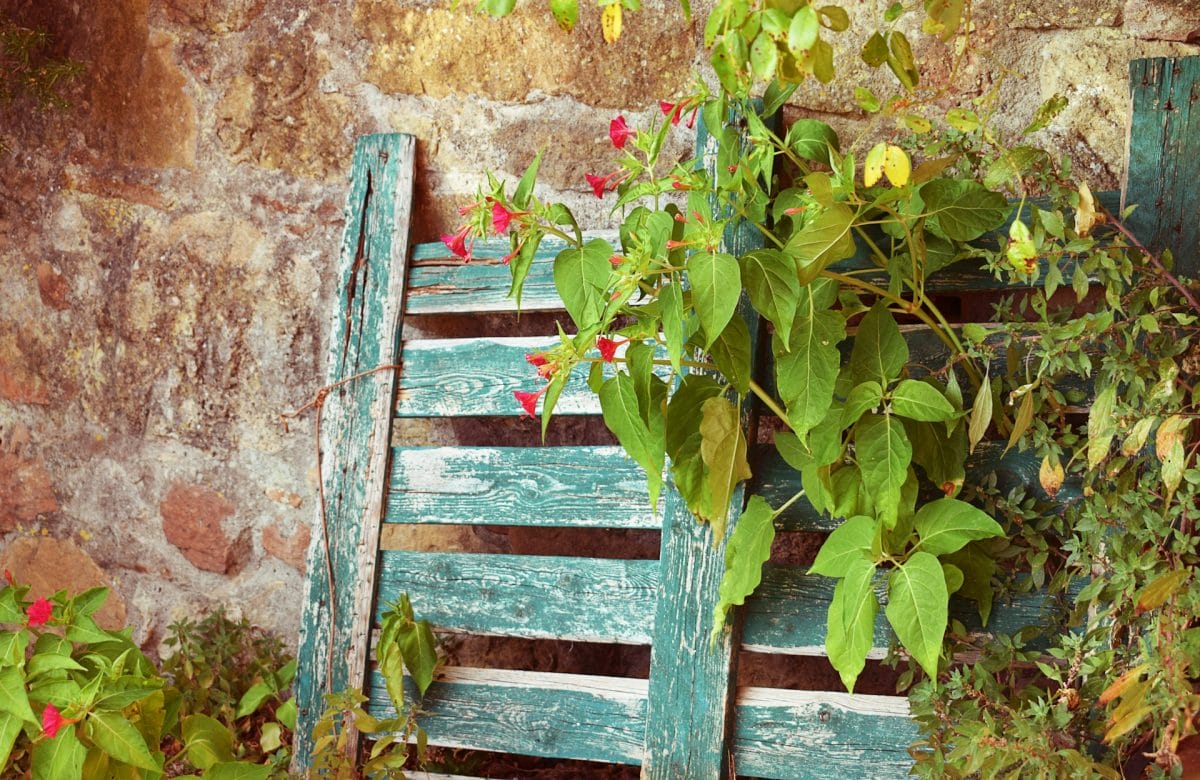
A plain wooden pallet doesn’t look like much at first glance. It leans against a wall, rough around the edges, often forgotten behind a warehouse or stacked near a loading dock. But give it a second look, because that simple structure holds the blueprint for something surprisingly beautiful. With the right approach, it can transform into a thriving vertical garden that bursts with life, color, and fresh produce without draining a single dollar from the wallet. That kind of transformation feels almost like a magic trick, except it runs entirely on creativity and a bit of effort.
This idea flips the script on what gardening should cost. No expensive planters, no fancy systems, no complicated setup that demands a trip to a hardware store. A discarded pallet, some basic tools, and a little patience can create a vertical garden that looks intentional and impressive. It also brings a sense of control over space, especially in areas where square footage feels limited. Walls, fences, and small patios suddenly become opportunities instead of obstacles. That shift alone changes how gardening fits into everyday life.
The Hunt: Where to Find Pallets Without Spending a Dime
Finding a free pallet feels like discovering hidden treasure in plain sight. Many businesses receive shipments on wooden pallets and often need to get rid of them quickly, which creates the perfect opportunity. Local grocery stores, garden centers, warehouses, and small retail shops frequently stack pallets out back or near dumpsters. A quick, polite ask can unlock access to materials that would otherwise go to waste. Timing matters too, since delivery days often leave fresh pallets available for pickup.
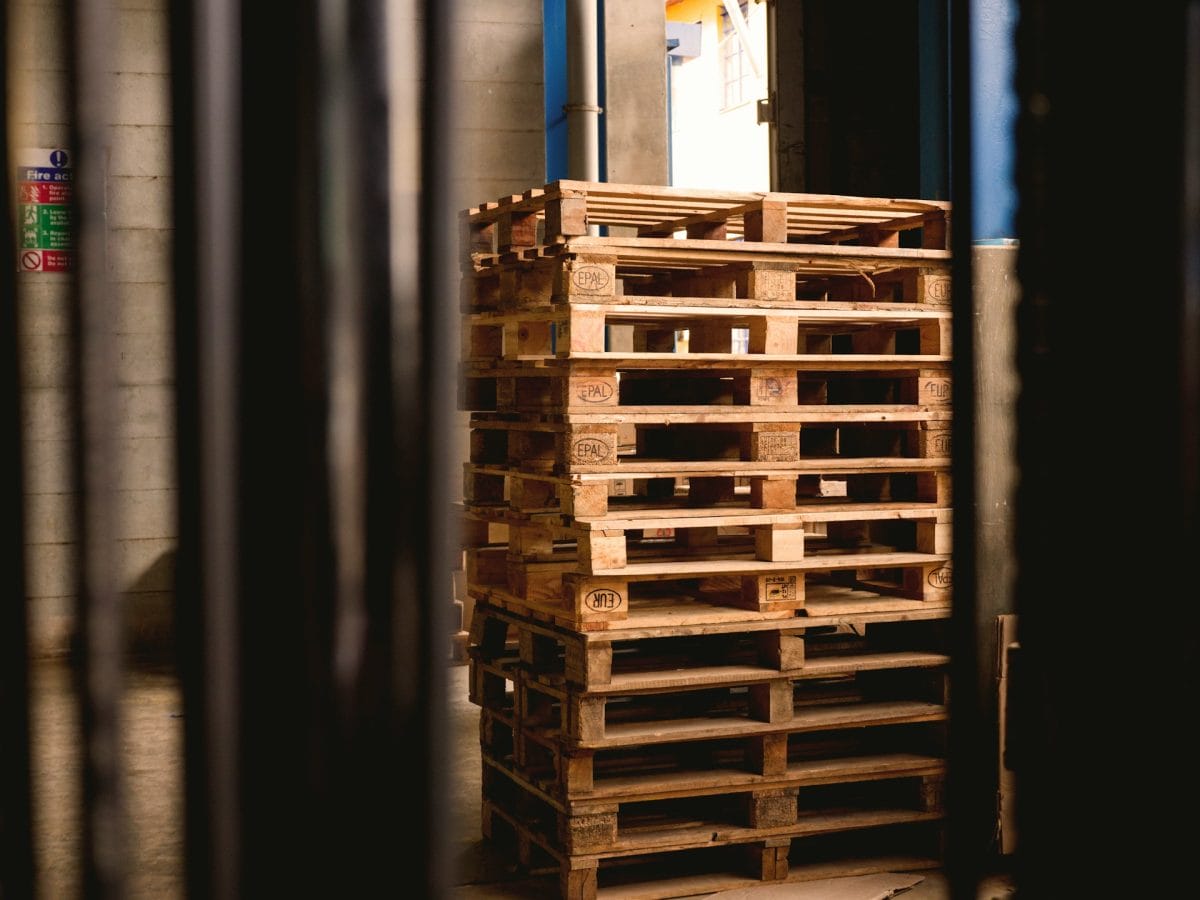
Not every pallet deserves a spot in a garden, and that distinction matters more than it might seem. Look for pallets stamped with “HT,” which stands for heat-treated wood, because this process avoids chemical treatments that could harm plants. Avoid pallets marked “MB,” as they have undergone methyl bromide fumigation, which introduces chemicals that do not belong anywhere near edible crops. Clean wood without strong odors or visible stains works best, since those signs can indicate contamination or exposure to unwanted substances.
Condition also plays a big role in the final result. A sturdy pallet with intact boards creates a solid foundation for soil and plants, while broken or splintered wood can lead to frustration during the build. A quick inspection saves time later and ensures the structure can handle the added weight of soil and water. Once a good pallet comes into view, the project officially kicks off with real potential.
Turning Rough Wood into a Garden-Ready Canvas
A pallet straight from the back of a store rarely looks garden-ready, but a little preparation changes everything. Start by giving the wood a thorough cleaning to remove dirt, dust, and any lingering debris. A stiff brush and water can handle most of the work, and a mild soap helps tackle stubborn grime. Let the pallet dry completely before moving forward, because moisture trapped in the wood can lead to mold or weakening over time.
Sanding the surface makes a noticeable difference, especially when hands will come into contact with the wood during planting and maintenance. Smooth edges reduce the risk of splinters and create a more polished look overall. This step doesn’t require perfection, but it does benefit from a bit of attention. The goal centers on making the pallet safe and comfortable to handle rather than turning it into a showroom piece.
Lining the back and bottom sections of the pallet adds structure and keeps soil where it belongs. Landscape fabric, burlap, or even repurposed cloth can work well for this purpose. Stapling or securing the material tightly creates pockets that hold soil while still allowing for drainage. That balance matters, because plants need water to flow through without washing everything away. With that setup complete, the pallet starts to resemble a functional garden rather than a discarded object.
The Secret Sauce: Soil, Plants, and Smart Choices
Soil selection plays a huge role in how well a vertical garden performs. A lightweight, well-draining mix works best because it prevents water from pooling and keeps roots healthy. Compost can boost nutrients without adding cost, especially when kitchen scraps or yard waste contribute to the mix. This approach turns everyday leftovers into a powerful resource that feeds the garden naturally.
Plant choice can make or break the experience, especially in a vertical setup where space and weight matter. Herbs like basil, mint, and cilantro thrive in these conditions, offering quick growth and frequent harvests. Leafy greens such as lettuce and spinach also perform well, especially when placed in areas that receive consistent light. Strawberries bring a fun twist, adding both visual appeal and a sweet reward.
Placement within the pallet deserves attention too. Larger plants should sit closer to the bottom, where they benefit from stronger support and easier access to moisture. Smaller or trailing plants can fill the upper sections, creating a layered effect that looks intentional and balanced. This arrangement not only improves stability but also enhances the overall visual impact of the garden.
Watering Without the Headache
Watering a vertical garden requires a slightly different mindset compared to traditional setups. Gravity pulls water downward, which means the top plants receive moisture first while the bottom plants collect the excess. That natural flow can work to an advantage, but it also demands a thoughtful approach to avoid uneven hydration.
A slow, steady watering method works best to ensure each section absorbs enough moisture. Pouring water gradually across the top allows it to trickle down through the layers, reaching each pocket along the way. This technique prevents runoff and gives the soil time to absorb what it needs. Checking moisture levels regularly helps maintain balance, especially during hotter days when evaporation speeds up.
Positioning the pallet garden in a spot with good sunlight and airflow supports healthy growth while reducing the risk of overwatering. A location that receives several hours of sunlight each day can make a noticeable difference in plant vitality. At the same time, airflow helps keep moisture levels in check and prevents issues like mold or mildew. These small adjustments create a more stable environment for the plants to thrive.
From Scrap to Showstopper: Making It Look Incredible
A vertical garden built from a pallet doesn’t have to look rustic unless that style feels right. A coat of paint or stain can instantly elevate the appearance, turning the structure into a focal point rather than a background piece. Neutral tones blend seamlessly into outdoor spaces, while bold colors create a striking visual statement. Either approach adds personality and helps the garden feel intentional.
Arranging plants with color and texture in mind takes the visual impact even further. Mixing leafy greens with flowering plants can create contrast that draws attention and adds depth. Trailing plants that spill over the edges soften the structure and give it a more natural, abundant look. This combination transforms a simple pallet into a living piece of art.
Lighting can also enhance the overall effect, especially in the evening. String lights or small solar fixtures can highlight the garden and create a warm, inviting atmosphere. These additions don’t require a big investment, yet they can completely change how the space feels. With a bit of creativity, the pallet garden can become the highlight of any outdoor area.
Why This Project Hits Different
This kind of project delivers more than just fresh herbs or leafy greens. It creates a sense of accomplishment that comes from building something useful out of materials that others overlook. That shift in perspective can inspire more creative projects and encourage a more resourceful approach to everyday challenges. It also proves that a tight budget doesn’t limit creativity or results.
A pallet garden also brings flexibility that traditional setups often lack. It can move, adapt, and fit into spaces that wouldn’t support a standard garden. That adaptability makes it a great option for small yards, patios, or even balconies. It also opens the door for experimentation, allowing different plants and arrangements to evolve over time.
Sustainability adds another layer of value to the project. Repurposing materials reduces waste and gives new life to items that might otherwise end up in a landfill. Growing food at home also reduces reliance on store-bought produce, which can have both environmental and financial benefits. These factors combine to create a project that feels rewarding on multiple levels.
One Pallet, Endless Possibilities
A single pallet can change the way a space looks, feels, and functions. It can turn an empty wall into a productive garden and transform overlooked materials into something genuinely useful. That kind of transformation doesn’t require a big budget or professional tools, just a willingness to see potential where others might not. The process invites creativity, encourages experimentation, and delivers results that feel both practical and satisfying.
What would go into your first pallet garden, and what kind of twist would make it completely unique? Give us your ideas, strategies, or wild garden plans in the comments.
You May Also Like…
5 Budget Vegetable Patch Designs for Small Yards
7 Cheap Garden Fence Alternatives That Actually Work
A Decorative Garden Fence Could Violate Local Wildlife Protection Laws
7 Cheap Garden Fence Alternatives That Actually Work
Affordable Garden Seating Ideas Using Recycled Materials

Brandon Marcus is a staff writer for FrugalGardening.com at District Media, Inc., where he delivers practical gardening advice with a relatable, no-nonsense style. An avid amateur gardener, he holds a BA degree and with over ten years of professional writing experience, he is also an award-winning published author whose first book, Questions For Deep Thinkers, was released by Adams Media. His work has appeared in major publications including Fandom.com, CHUD.com, TheColdWire.com, and Fansided.com.
Leave a Reply