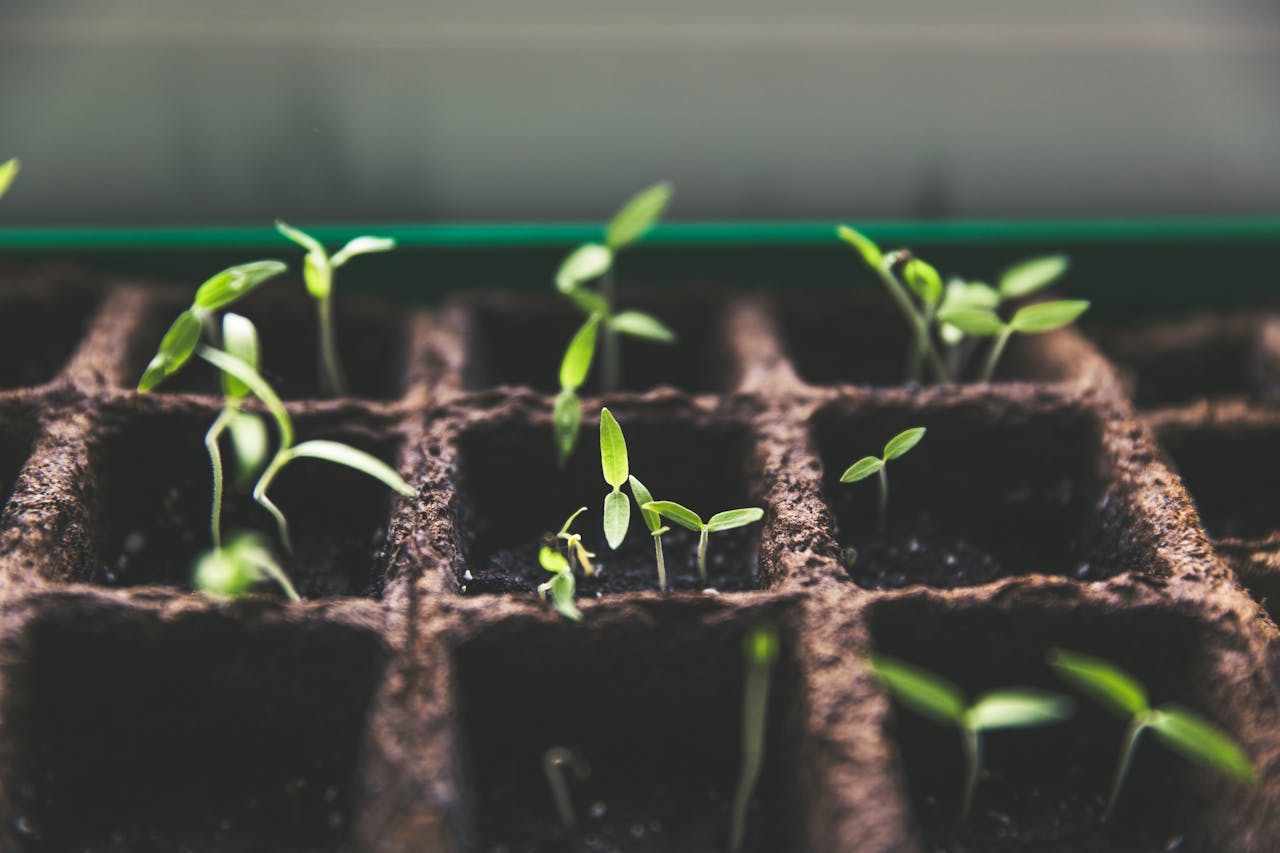
Tiny green shoots push through the soil with so much promise that it almost feels like magic. That moment sparks excitement, plans, and visions of lush gardens or overflowing harvests. Then, without warning, those hopeful little sprouts collapse, shrivel, or simply stop growing. No dramatic storm, no obvious disaster—just a quiet failure that leaves people scratching their heads and wondering what went wrong.
That heartbreak usually traces back to some incredibly common mistakes that sabotage seedlings before they ever get a real chance. They don’t involve rare diseases or complicated techniques. Fixing these issues can completely transform success rates and turn fragile sprouts into strong, thriving plants.
1. Too Much Love, Too Much Water: The Root of the Problem
Water seems like the safest thing to give a plant, especially when it looks delicate and new. Those tiny leaves give off the impression that more moisture equals more growth, but that assumption leads straight to trouble. Seedlings need consistent moisture, not constant saturation, and there’s a big difference between the two. Overwatering floods the soil, pushes out oxygen, and leaves roots struggling to breathe. Without oxygen, roots weaken quickly, and once that happens, the entire plant begins to decline.
The biggest danger here comes from a condition called damping off, a fungal issue that thrives in overly wet environments. Stems become thin, weak, and eventually collapse at the soil line, often overnight. It feels sudden, but the process starts long before the plant visibly fails. Excess moisture creates the perfect breeding ground for pathogens, and seedlings simply don’t have the strength to fight back. Keeping soil slightly moist—not soggy—prevents this cascade of problems and gives roots the conditions they need to grow strong.
Getting watering right requires attention, not guesswork. Check the soil with a finger instead of relying on a fixed schedule, and only water when the surface begins to dry out. Containers with drainage holes make a huge difference, allowing excess water to escape instead of pooling around roots. Bottom watering, where containers absorb water from below, encourages deeper root growth and reduces surface moisture where fungi thrive. A simple adjustment in watering habits can completely change the outcome.
2. Light Matters More Than You Think
Water gets most of the attention, but light plays an equally critical role in seedling survival. Without enough light, seedlings stretch upward in search of energy, becoming tall, thin, and fragile. This condition, often called “leggy growth,” leaves plants weak and prone to falling over. Even perfectly watered seedlings can fail if they don’t receive adequate light.
A sunny windowsill often seems like enough, but many seedlings need more intensity than that setup provides. Grow lights positioned a few inches above the plants can deliver consistent, strong light that promotes compact, sturdy growth. Adjusting the height as plants grow keeps that light effective without overwhelming them. Rotating trays also ensures even exposure and prevents leaning. Strong light leads to strong stems, and strong stems set the foundation for healthy plants.
Balancing light and water creates a powerful combination. When seedlings receive proper light, they use water more efficiently, which reduces the risk of overwatering. Paying attention to both factors at the same time creates a stable environment where plants can thrive. Ignore one, and the other becomes harder to manage.
3. Airflow: The Secret Ingredient Nobody Talks About
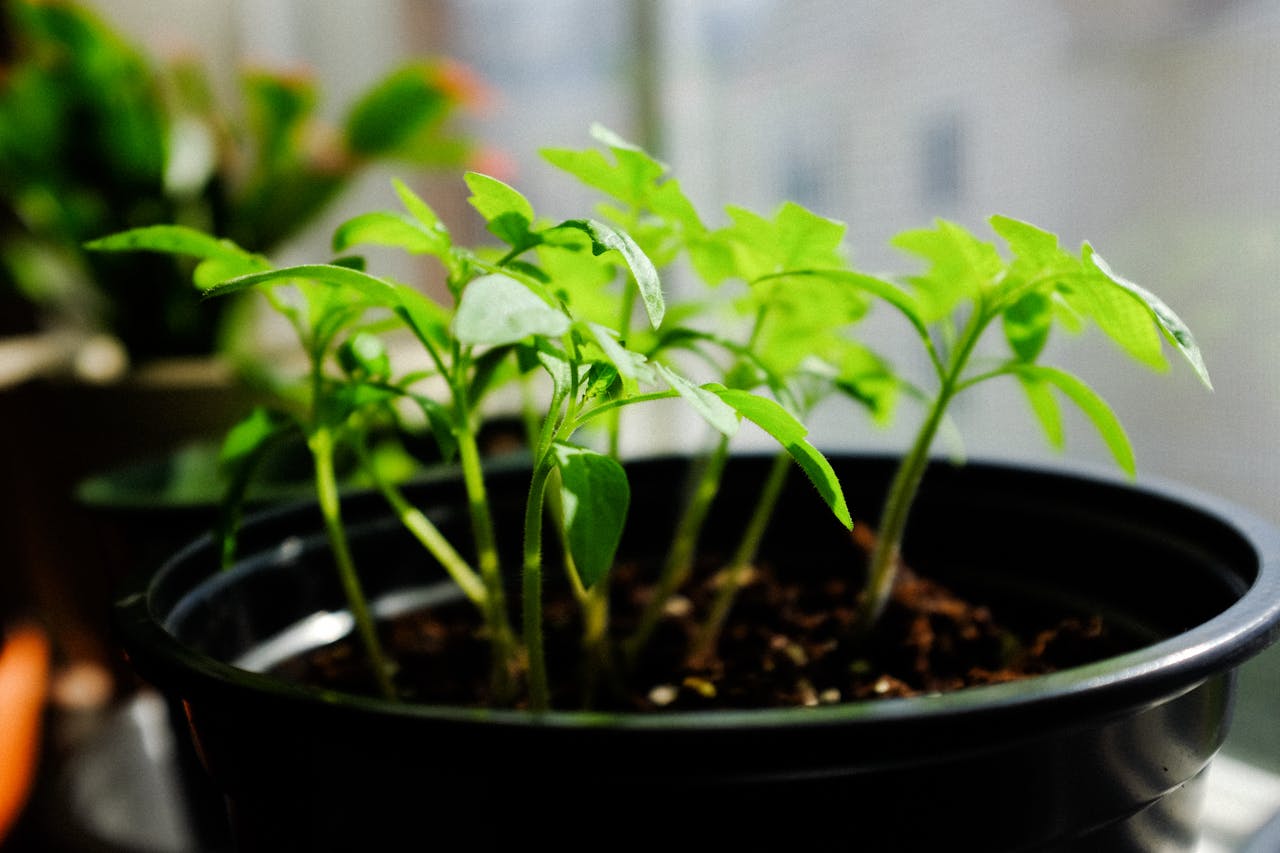
Still air might feel calm and controlled, but seedlings need movement to grow properly. Without airflow, moisture lingers on the soil surface and around stems, creating ideal conditions for fungal growth. That same stagnant air also prevents plants from developing strong, resilient stems. A gentle breeze encourages seedlings to grow thicker and sturdier, preparing them for life outside.
A small fan set on low can make a dramatic difference. It doesn’t need to blast air directly at the plants—just enough movement to keep the air circulating. Opening a window occasionally can also help, as long as temperatures remain stable. This simple step often gets overlooked, yet it plays a huge role in preventing disease and promoting strength.
Airflow works hand-in-hand with proper watering. Drier air conditions help soil dry out at a healthy pace, reducing the risk of overwatering. That balance keeps seedlings in a sweet spot where they stay hydrated but never waterlogged. A little movement in the air goes a long way toward creating a thriving environment.
4. Soil Choice Can Make or Break Success
Not all soil is created equal, and seedlings are surprisingly picky about what they grow in. Heavy garden soil holds too much water and compacts easily, which restricts root growth and airflow. Seedlings need a light, well-draining mix that allows roots to spread and breathe. Using the wrong soil sets the stage for failure before the first sprout even appears.
Seed-starting mixes are specifically designed for this early stage. They provide the right balance of moisture retention and drainage while remaining loose enough for delicate roots. Many also come sterilized, reducing the risk of introducing harmful pathogens. Choosing the right medium removes a major obstacle and gives seedlings a clean, supportive start.
Even with the right soil, overpacking containers can create problems. Gently filling trays without compressing the mix keeps it airy and effective. Water should flow through easily, not sit on top or pool at the bottom. Paying attention to soil quality and structure creates a foundation that supports every other aspect of growth.
5. Timing and Temperature: The Overlooked Duo
Seedlings are incredibly sensitive to their environment, and temperature plays a huge role in their development. Cold conditions slow growth and can stress young plants, while excessive heat dries out soil too quickly and weakens delicate roots. Finding the right balance ensures steady, healthy progress.
Most seedlings thrive in a warm, consistent environment, often between 65 and 75 degrees Fahrenheit. Seedling heat mats can help maintain this range, especially in cooler spaces. At the same time, avoiding sudden temperature swings keeps plants from going into shock. Stability matters just as much as the actual temperature.
Timing also affects success. Starting seeds too early can lead to plants outgrowing their containers before outdoor conditions are ready. That stress can weaken them before they ever reach the garden. Following recommended planting timelines ensures seedlings grow at a pace that matches their environment. When timing and temperature align, seedlings grow stronger and more resilient.
Balance Beats Overcompensation
Every struggling seedling tells a story, and that story often points back to imbalance. Too much water, not enough light, poor airflow, or the wrong soil can each create problems, but they often work together to make things worse. Fixing one issue while ignoring others rarely leads to lasting success. Strong seedlings come from a balanced environment where each factor supports the others.
Observing plants closely provides the best clues. Wilting, yellowing, or stretching all signal specific issues that can be corrected with small adjustments. There’s no need for drastic changes—steady, thoughtful care produces better results. The goal isn’t perfection, but consistency.
Which of these seedling mistakes surprised you the most, and what tricks have helped grow stronger plants from the start? Drop all of your thoughts, tips, or even a few gardening mishaps in the comments.
You May Also Like…
The Little-Known Secret to Strong, Healthy Seedlings That Costs Almost Nothing
Why Some Seeds Don’t Germinate
How to Start Seeds Indoors on a Tight Budget Without Wasting Money
The Soil Additive That’s Quietly Killing Seedlings in Southern States
This Common Cold Snap Hack Is Suffocating Seedlings — Experts Warn Gardeners to Stop

Brandon Marcus is a staff writer for FrugalGardening.com at District Media, Inc., where he delivers practical gardening advice with a relatable, no-nonsense style. An avid amateur gardener, he holds a BA degree and with over ten years of professional writing experience, he is also an award-winning published author whose first book, Questions For Deep Thinkers, was released by Adams Media. His work has appeared in major publications including Fandom.com, CHUD.com, TheColdWire.com, and Fansided.com.
Leave a Reply