Summer gets all the attention in the vegetable garden, but the cooler months actually have a pretty impressive lineup of their own. With the right crops, a garden can keep supplying fresh vegetables well after tomatoes, cucumbers, and peppers have packed up for the season.
It’s all about choosing vegetables that handle cold weather rather than merely tolerating a chilly night or two. Some can keep growing in cool conditions, while others can sit in the soil and wait patiently for harvest. A few even develop better flavor after frost, which feels like nature’s way of rewarding gardeners for refusing to quit.
1. Kale
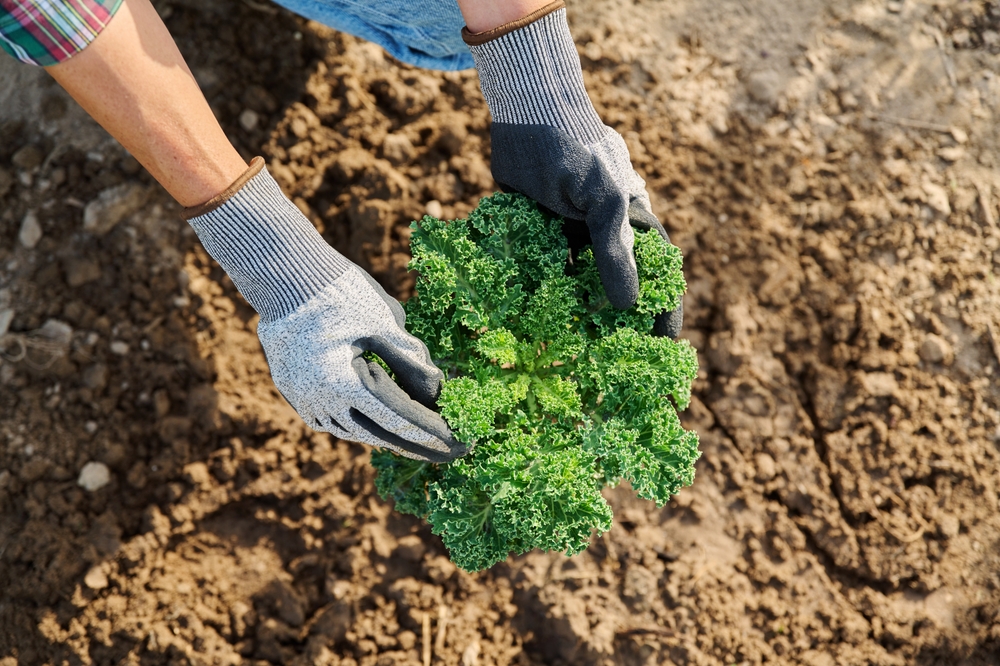
Kale earns a spot near the top of any cold-weather planting list because it handles frost and freezing temperatures better than many garden vegetables. Kale is one of the hardiest crops, with some varieties able to withstand temperatures around 20 degrees Fahrenheit.
For a fall garden, plant kale early enough to reach a useful size before cold weather settles in. Harvest the outer leaves as needed, leaving the growing point intact so the plant can continue producing.
2. Spinach
Spinach loves the kind of weather that makes summer vegetables complain, making it an excellent choice for extending the harvest season. It tolerates light frost, and some plantings can overwinter when conditions cooperate.
Fall spinach also gives gardeners a wonderfully simple harvest because tender leaves can go straight from the garden into salads, sandwiches, soups, or a skillet. Row cover can provide additional protection when temperatures start making serious threats.
3. Carrots
Carrots can handle cold surprisingly well, especially once the roots have matured. A layer of mulch can insulate the soil and allow gardeners to harvest carrots later into the season, although frozen ground eventually ends that particular treasure hunt.
Cool weather can also improve carrot flavor because the plant stores more sugars as temperatures fall. For a fall crop, choose a variety suited to your growing season and give the roots loose soil so they can develop properly.
4. Parsnips
Parsnips belong in the garden for gardeners who appreciate vegetables with patience built into their DNA. They take a long time to mature, but cold weather can improve their sweetness, making them especially useful for late-season harvesting.
A parsnip bed can look decidedly unimpressive after frost knocks back the foliage, but plenty of food remains underground. Leave mature roots in the soil where conditions allow, then dig them when the ground remains workable.
5. Brussels Sprouts
Brussels sprouts take their sweet time, but that slow pace works beautifully for a fall garden. They tolerate cold weather well, and mature plants can withstand freezing conditions better than many summer vegetables.
Harvest individual sprouts from the lower part of the stalk as they reach a useful size. Cooler weather can also improve their flavor, so there is little reason to yank productive plants simply because summer has disappeared.
6. Cabbage
Cabbage makes a sturdy late-season crop because it handles cold better than gardeners might expect. Gardening pros identify cabbage as one of the most robust common vegetable crops.
Choose varieties with enough time to form solid heads before severe weather arrives. Once the heads feel firm, harvest them promptly if a prolonged hard freeze threatens, rather than gambling on an outdoor storage experiment.
7. Broccoli
Broccoli prefers cool conditions and can tolerate light frost, which makes it much more useful in fall than its summer-garden reputation suggests. Extension guidance lists broccoli among frost-tolerant crops and recommends it for fall production.
Fall broccoli also offers a useful bonus: side shoots can continue appearing after the main head gets harvested. Keep picking those smaller shoots while the plant remains productive, and one planting can provide more meals than that first giant head suggests.
8. Turnips
Turnips grow quickly enough to make them particularly handy when summer crops finish and an empty patch suddenly appears. They tolerate frost, and both the roots and greens can contribute to the kitchen harvest.
Sow short-season varieties in late summer according to the timing recommended for the local growing area. Mulch can help moderate soil conditions, while harvesting before the ground freezes solid keeps the roots accessible when winter finally takes over.
9. Rutabagas
Rutabagas deserve more attention from gardeners who want substantial roots for the late-season kitchen. They tolerate cold conditions well enough to appear on extension recommendations for fall and winter gardens.
Give them loose soil and enough time to size up before the coldest weather arrives. Their roots work particularly well in soups, stews, mashes, and roasted vegetable dishes, which makes a garden harvest feel downright useful when fresh summer produce becomes scarce.
10. Leeks
Leeks bring a different kind of staying power because they can remain in the garden for an extended harvest window. Oregon State University includes leeks among vegetables suitable for fall and winter production in appropriate climates.
Gardeners can harvest individual plants as needed rather than clearing the entire row at once. Mulch can help protect the soil around the plants, although extremely cold or exposed conditions may require additional protection.
11. Collards
Collards may look like a summer green, but they have an impressive tolerance for late-season cold. Illinois Extension notes that collards tolerate more cold weather in late fall than other members of the cabbage family.
Pick the larger outer leaves while leaving the central growing point intact for continued production. In regions with harsher winters, row covers or another season extender can provide valuable protection when temperatures plunge.
Give Summer Crops Their Curtain Call
A winter-producing vegetable garden does not require every plant to remain outdoors through the worst weather. Cold-hardy crops still have limits, and local climate, planting date, variety, soil conditions, and protection all influence how long they remain harvestable.
The smartest approach involves treating fall as another growing season rather than an afterthought. Plant the right crops early enough to mature, use mulch or row covers when appropriate, and keep harvesting while the garden still has something to offer. That can turn the traditional end-of-season cleanup into a much later goodbye.
Which cold-weather vegetable keeps your garden producing the longest, and which one would you recommend to another gardener? Share your favorite in the comments.
You May Also Like…
Could a Cold Frame Be Useful Before Cold Weather Arrives?
The Frost-Proof Secret: Protecting Your Plants from a Random Cold Snap
8 Crops That Can Be Harvested Well Into Chilly Weather
How to Protect Seedlings From Cold Nights Without Buying Covers
Low-Cost Ways to Protect Seedlings From March Cold Snaps

Brandon Marcus is a staff writer for FrugalGardening.com at District Media, Inc., where he delivers practical gardening advice with a relatable, no-nonsense style. An avid amateur gardener, he holds a BA degree and with over ten years of professional writing experience, he is also an award-winning published author whose first book, Questions For Deep Thinkers, was released by Adams Media. His work has appeared in major publications including Fandom.com, CHUD.com, TheColdWire.com, and Fansided.com.
Leave a Reply