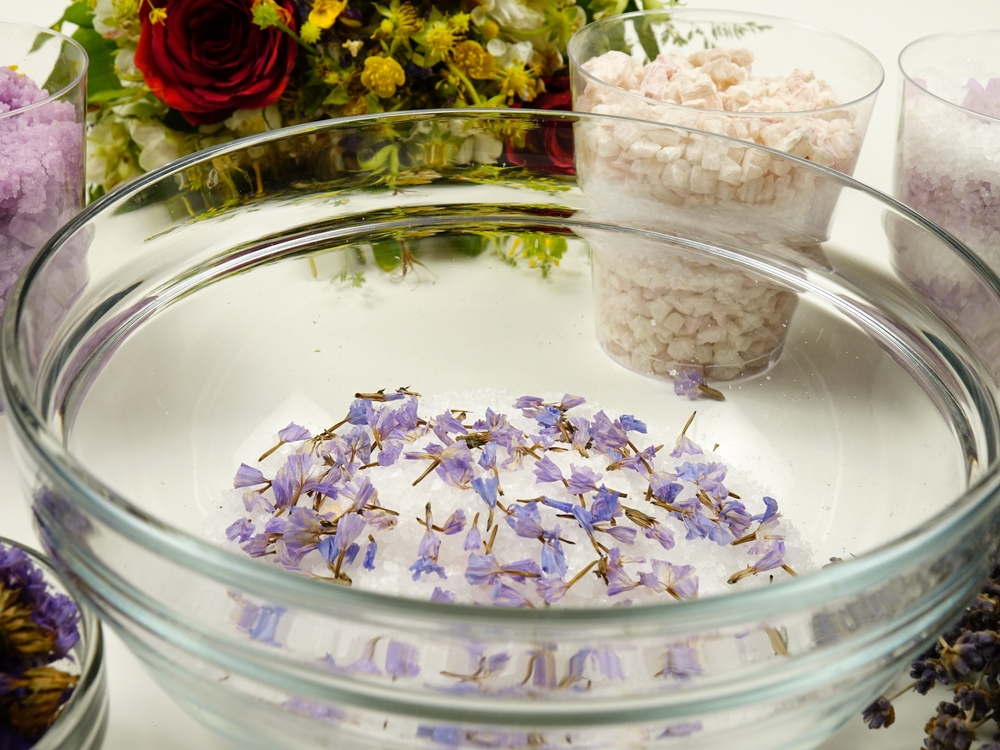
Homemade bath blends feel like the ultimate “use what you grow” win, right up until your skin starts itching, stinging, or turning blotchy. A lot of people assume a reaction means the herbs were “too strong,” but the real reasons are usually more specific than that. The way plants are dried, crushed, and combined with salts can concentrate irritants in ways a fresh sprig in a vase never would. Add in fragrance sensitivity, sun-exposed herbs, and a hot bath that opens pores, and you’ve got the perfect setup for irritation. If you love DIY bath salts and want to keep making them safely, these are the most common culprits and the simple fixes that can help.
1. Hot Water Supercharges Irritants And Sensitizers
A warm bath softens skin and increases blood flow, which can make your body react faster to certain compounds. Heat also helps plant oils dissolve and spread across your skin more evenly. That sounds nice until the same oils become irritating at higher exposure levels. People who tolerate a herb in cooking can still react to it in a soak. With DIY bath salts, temperature matters, so lukewarm water is often a safer starting point.
2. Some “Gentle” Herbs Are Common Skin Triggers
Lavender, mint, rosemary, and oregano can smell clean and feel “natural,” but they’re also frequent irritants for sensitive skin. Plants in the mint family contain aromatic compounds that can be harsh in concentrated form. Rosemary and oregano can be especially intense when crushed because they release more oils. Even chamomile can trigger reactions in people sensitive to ragweed-type plants. If bath salts are causing problems, the “sweet-smelling” herbs are often the first ones to test and remove.
3. Crushing Herbs Releases More Oils Than You Expect
Whole leaves in a jar look pretty, but most DIY recipes encourage grinding or crushing for stronger scent. That process ruptures plant cells and releases concentrated oils that are more likely to irritate skin. Fine herb powder also sticks to skin more than whole pieces, especially in hot water. You may notice reactions on areas where particles settle, like ankles, underarms, or the back. For DIY bath salts, keeping herbs whole or lightly bruised can reduce intensity without killing the aroma.
4. Fresh Herbs Can Harbor Microbes That Don’t Belong In Bath Water
Freshly picked herbs can carry natural bacteria, yeast, or mold spores from the garden and soil. Most of the time that’s harmless on a plant, but bath water is warm, wet, and perfect for microbial growth. If you soak with tiny nicks from shaving or dry, cracked skin, irritation can show up fast. This isn’t about “dirty gardening,” it’s just biology doing what it does. When you make bath salts, fully drying herbs and storing them correctly lowers this risk.
5. Sun-Exposed Plants Can Be Phototoxic On Skin
Some plants contain compounds that can make skin more sensitive to sunlight after contact, even when used in bath products. Citrus peels and certain herbs can be more problematic than people realize. A reaction may not show up until you step into daylight the next day, when skin suddenly feels burned or develops a rash. This is especially risky if you use strong plant material and then go outside. If you use DIY bath salts with citrus or strong herbal oils, it’s smart to treat it like a “nighttime only” soak and rinse well afterward.
6. Essential Oils And Fragrance Add-Ins Raise The Odds Of Irritation
Many people add essential oils for a spa vibe, but those oils are highly concentrated and don’t belong on skin undiluted. Salt doesn’t truly “dilute” essential oil the way a proper carrier oil does, so the oil can float and hit skin in hot spots. That’s why irritation often appears in patches rather than evenly. If you want scent, use very small amounts and mix with a carrier oil first, then blend into the salts thoroughly. For DIY bath salts, less fragrance almost always means fewer reactions.
7. The Salt Type And Grain Size Can Be Too Abrasive
Coarse salts can rub against skin and create micro-irritation, especially if you’re also using herbs with sharp edges. Epsom salt is common, but some people react to higher concentrations or find it drying. Sea salt can contain trace minerals that irritate very sensitive skin. If you already have eczema or dry patches, a salty soak can sting and flare symptoms. Switching to finer grains and lower amounts can make DIY bath salts feel soothing instead of scratchy.
8. Contamination From Poor Storage Turns “Natural” Into Irritating
A jar stored near steam, a scoop used with damp hands, or herbs that weren’t fully dry can create clumping and hidden mold growth. Even if you can’t see mold, a musty smell or unexplained irritation can be a clue. Moisture is the enemy of any bath blend because it changes texture and encourages microbial activity. Store mixes in airtight containers, keep them away from the bathroom humidity, and use a dry spoon every time. Safe DIY bath salts are mostly about dry ingredients and dry handling.
9. Your Skin Barrier Might Already Be Compromised
Winter air, hot showers, shaving, and harsh soaps all weaken the skin barrier. When the barrier is stressed, ingredients that normally feel fine can suddenly sting or itch. That’s why reactions often appear “out of nowhere” after you’ve used the same recipe before. The timing can trick you into blaming the herbs when the real issue is dry, sensitive skin. With bath salts, it helps to moisturize after bathing and avoid using them on freshly shaved skin.
10. You’re Using Too Much Because DIY Recipes Rarely Give Safe Ranges
A lot of recipes say “add a handful” or “use what smells good,” which is not helpful when you’re dealing with potent plant compounds. More herbs and more fragrance don’t equal more relaxation if your skin hates it. Start with a small amount, test on a short soak, and adjust slowly. You can also do a patch test by soaking a small cloth in the diluted bath mix and holding it on your inner arm for a few minutes. DIY bath salts work best when you treat them like skincare, not like potpourri.
The Safer Way To Make Herbal Soaks On A Budget
Keep your recipes simple and aim for gentle ingredients first, especially if you have sensitive skin. Use fully dried herbs, avoid heavy essential oils, and choose a smaller dose so you can see how your body responds. Stick to lukewarm water, rinse off afterward, and moisturize to support your skin barrier. If you want the garden vibe without direct herb contact, try placing herbs in a muslin bag so particles don’t sit on skin. With a few tweaks, DIY bath salts can stay a cozy frugal ritual instead of an itchy surprise.
Have you ever made a bath blend that backfired, and which herb do you think was the culprit?
What to Read Next…
Studies Find Dangerous Bacteria in DIY Compost — Experts Urge Caution
Is Growing Herbs at Home Still a Money Saver?
The Hidden Mold Problem Lurking in DIY Potting Mixes
Why Storing Herbs Properly Preserves Oils
Is DIY Seed Starting Cheaper Than Buying Starter Plants?

Catherine is a tech-savvy writer who has focused on the personal finance space for more than eight years. She has a Bachelor’s in Information Technology and enjoys showcasing how tech can simplify everyday personal finance tasks like budgeting, spending tracking, and planning for the future. Additionally, she’s explored the ins and outs of the world of side hustles and loves to share what she’s learned along the way. When she’s not working, you can find her relaxing at home in the Pacific Northwest with her two cats or enjoying a cup of coffee at her neighborhood cafe.
Leave a Reply