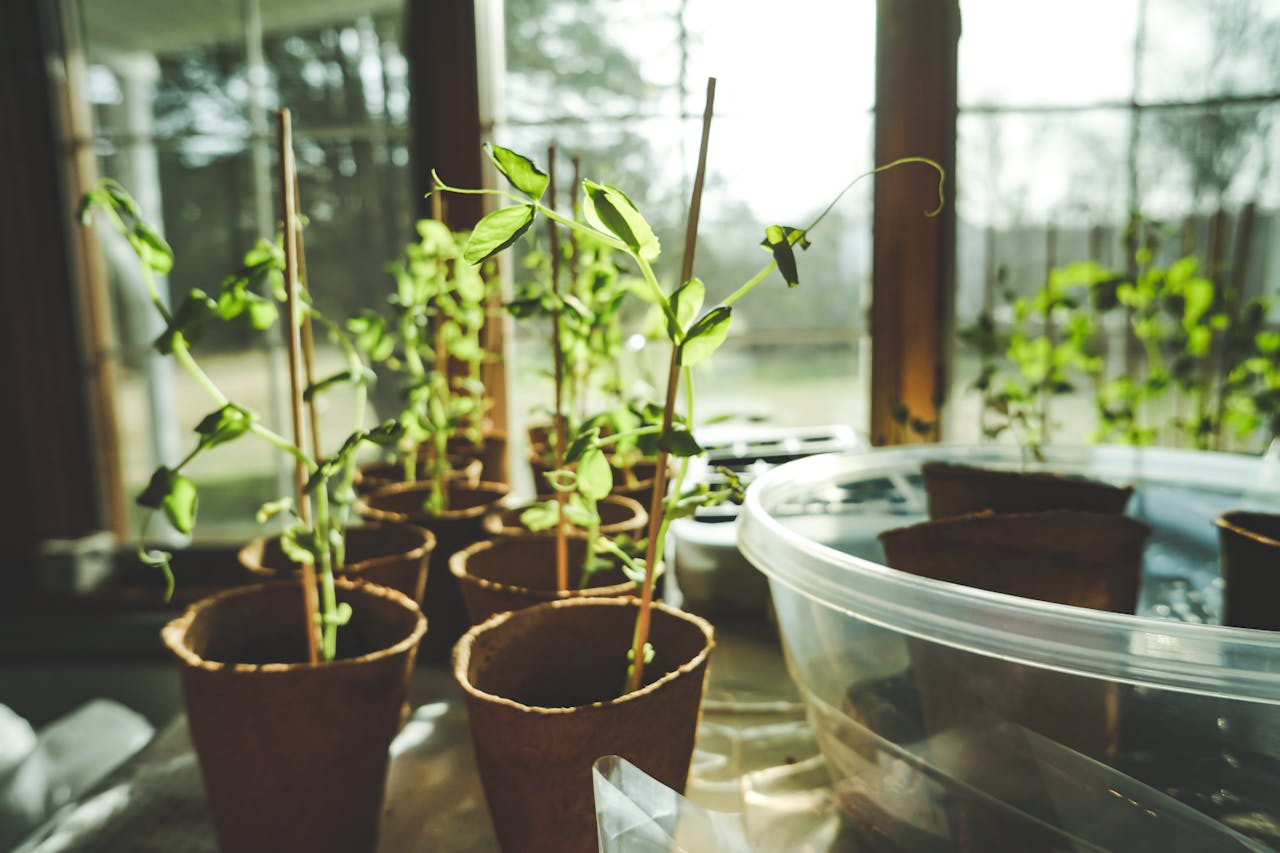
A thriving herb garden doesn’t need a big backyard, fancy tools, or even a bag of soil sitting in the corner. Fresh basil, mint, and parsley can grow right by the window, soaking up sunlight and adding life to any space without turning the kitchen into a dirt-covered disaster zone. The idea sounds almost too simple, yet it works beautifully when the right techniques come into play. Skip the heavy bags of potting mix and the mess that comes with them, because a cleaner, smarter approach exists.
Imagine snipping fresh herbs straight into a meal without ever stepping outside or dealing with muddy hands. That kind of convenience turns everyday cooking into something a little more exciting and a lot more flavorful. A windowsill can become a mini garden that delivers fresh ingredients year-round with minimal effort.
Ditch the Dirt: Why Soil-Free Growing Actually Works
Growing herbs without soil might sound like bending the rules of gardening, but plants care far more about nutrients, water, and light than they do about dirt itself. Soil mainly acts as a support system and a reservoir for nutrients, which means alternative methods can deliver the same essentials in a cleaner and more controlled way. Hydroponic-style growing replaces soil with water and nutrient solutions, allowing roots to absorb exactly what they need without competition or waste. This method often leads to faster growth and fewer pests, which makes it perfect for indoor setups.
A simple glass jar, a recycled container, or even a mug can become a thriving home for herbs when filled with water and placed in the right spot. Roots grow directly into the water, drawing nutrients from added solutions or even from the plant’s own stored energy for a while. Without soil, there’s no risk of overpacking roots or dealing with compacted dirt that blocks airflow. That alone makes maintenance much easier and far less messy. Anyone looking for a low-fuss way to grow herbs will find soil-free methods surprisingly efficient and satisfying.
Water Magic: Growing Herbs Like a Kitchen Scientist
Water propagation offers one of the easiest ways to grow herbs without soil, and it feels almost like a science experiment that actually pays off. Many herbs, including basil, mint, oregano, and rosemary, grow new roots from cuttings placed in water. Snip a healthy stem just below a leaf node, remove the lower leaves, and place it in a container of clean water. Within days, tiny roots begin to appear, and within a couple of weeks, those roots grow strong enough to support the plant long-term.
Clean water matters more than anything in this setup, so refreshing it every few days keeps roots healthy and prevents unwanted buildup. Clear containers look appealing, but they allow light to hit the roots, which can encourage algae growth. Switching to opaque containers or wrapping jars with paper can help avoid that issue. Once roots establish, adding a diluted liquid fertilizer keeps the plant thriving and productive. This simple method turns kitchen scraps into a steady supply of fresh herbs without ever touching soil.
Creative Growing That Replaces Soil Completely
Not everyone wants to rely solely on water, and that’s where alternative growing mediums step in with style. Materials like coconut coir, perlite, and vermiculite offer excellent support for roots while holding moisture and allowing airflow. Coconut coir, made from coconut husks, stands out as a sustainable and lightweight option that mimics many benefits of traditional soil without the mess. Perlite, those small white pellets often seen in potting mixes, helps with drainage and prevents roots from sitting in excess water.
Combining these materials creates a balanced environment that supports healthy growth. A small container filled with coconut coir and perlite can hold moisture while still letting roots breathe, which herbs absolutely love. These mediums also reduce the risk of pests that often hitch a ride in soil. With proper watering and occasional feeding, herbs grown in these alternatives can thrive just as well as those planted in traditional garden soil. This approach keeps things clean, flexible, and surprisingly easy to manage.
Light It Up: The Windowsill Advantage
A windowsill provides the perfect stage for herbs to shine, but not all light is created equal. Most herbs crave at least six hours of bright, direct sunlight each day, and a south-facing window usually delivers the best results. Without enough light, herbs can grow leggy and weak, stretching toward the sun in a desperate attempt to survive. Positioning plants as close to the light source as possible helps them stay compact and flavorful.
When natural light falls short, small grow lights can step in and save the day. Modern LED grow lights are energy-efficient, compact, and easy to set up, making them ideal for indoor gardens. Rotating plants every few days ensures even growth, preventing one side from hogging all the light. Paying attention to light conditions makes a noticeable difference in both growth speed and taste. Healthy, well-lit herbs produce stronger aromas and richer flavors, which makes every harvest feel like a win.
Feeding Without Soil: Keep Herbs Happy and Thriving
Soil usually stores nutrients, but soil-free setups need a little help in that department. Herbs grown in water or alternative mediums rely on added nutrients to stay healthy and productive. Liquid fertilizers designed for hydroponic or indoor plants work best because they dissolve easily and deliver nutrients directly to the roots. Using too much fertilizer can overwhelm plants, so a diluted solution applied regularly works far better than occasional heavy doses.
Consistency matters here more than anything else. A gentle feeding schedule keeps herbs growing steadily without sudden bursts or slowdowns. Watching for signs like yellowing leaves or slow growth can signal when plants need a boost. Adjusting nutrient levels based on how the herbs respond keeps everything balanced and thriving. With the right feeding routine, soil-free herbs can grow just as lush and flavorful as any outdoor garden.
Harvest Like a Pro: Encourage Growth and Flavor
Harvesting herbs isn’t just about grabbing a handful for dinner—it actually plays a key role in keeping plants healthy. Regular trimming encourages herbs to grow fuller and bushier instead of tall and sparse. Cutting stems just above a leaf node promotes new growth and prevents the plant from becoming woody or weak. Waiting too long between harvests can slow down production and reduce flavor intensity.
Using clean scissors or shears ensures precise cuts and avoids damaging the plant. Taking small amounts frequently keeps herbs productive and ready for the next harvest. Some herbs, like basil, benefit from removing flower buds early to keep the leaves tender and flavorful. With a little attention to harvesting techniques, a windowsill garden can produce a steady stream of fresh herbs that taste far better than store-bought options.
From Windowsill to Plate: Small Garden, Big Impact
A windowsill herb garden doesn’t just save money—it transforms everyday meals into something fresher and more vibrant. Growing herbs without soil removes many of the usual barriers, making indoor gardening feel approachable and even fun. With simple tools, creative materials, and a bit of sunlight, a small space can deliver a surprising amount of flavor.
Which herb would take the top spot on your windowsill, and what creative setup would make it thrive? Share any ideas, tips, or favorite herbs in the comments.
You May Also Like…
How to Grow Herbs Without Buying Starters
Why DIY Bath Salts From Garden Herbs May Be Causing Skin Reactions
Is Growing Herbs at Home Still a Money Saver?
7 Cold-Weather Herbs That Taste Better Than Store-Bought
How to Start Seeds Indoors on a Tight Budget Without Wasting Money

Brandon Marcus is a staff writer for FrugalGardening.com at District Media, Inc., where he delivers practical gardening advice with a relatable, no-nonsense style. An avid amateur gardener, he holds a BA degree and with over ten years of professional writing experience, he is also an award-winning published author whose first book, Questions For Deep Thinkers, was released by Adams Media. His work has appeared in major publications including Fandom.com, CHUD.com, TheColdWire.com, and Fansided.com.
Leave a Reply