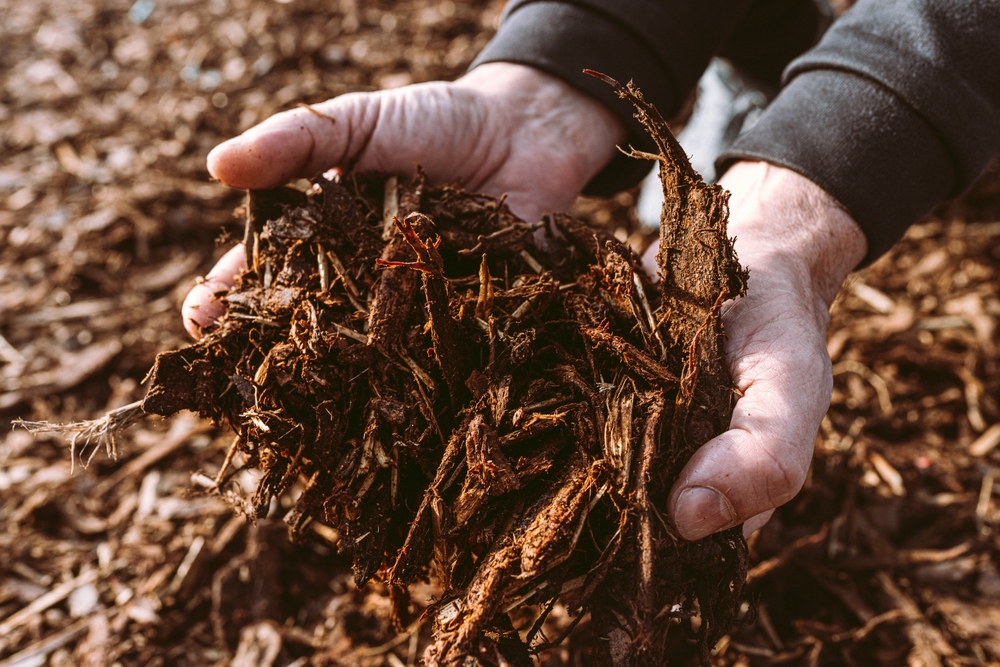
Mulch has long been hailed as the secret weapon of gardeners everywhere. It promises to suppress weeds, retain moisture, and give your garden that polished, Instagram-worthy look. But what if I told you that not all mulch is created equal—and some of it might actually be costing you more than it’s worth? You’ve been spreading it faithfully around your plants, yet your soil is still dry, weeds are thriving, and your garden isn’t thriving the way you imagined.
Let’s dig into the surprising truths about garden mulch and uncover whether your investment is paying off—or flushing money down the garden hose.
Understanding The Different Types Of Mulch
Not all mulch is made from the same material, and knowing the differences can save you a lot of headaches. Organic mulches, like wood chips, bark, and straw, break down over time and enrich the soil with nutrients. Inorganic mulches, such as rubber, gravel, or landscape fabric, won’t break down but can prevent weeds more aggressively. Each type comes with its pros and cons depending on what your garden really needs. Choosing the wrong type could mean wasted money, and worse, plants that are less happy than they could be.
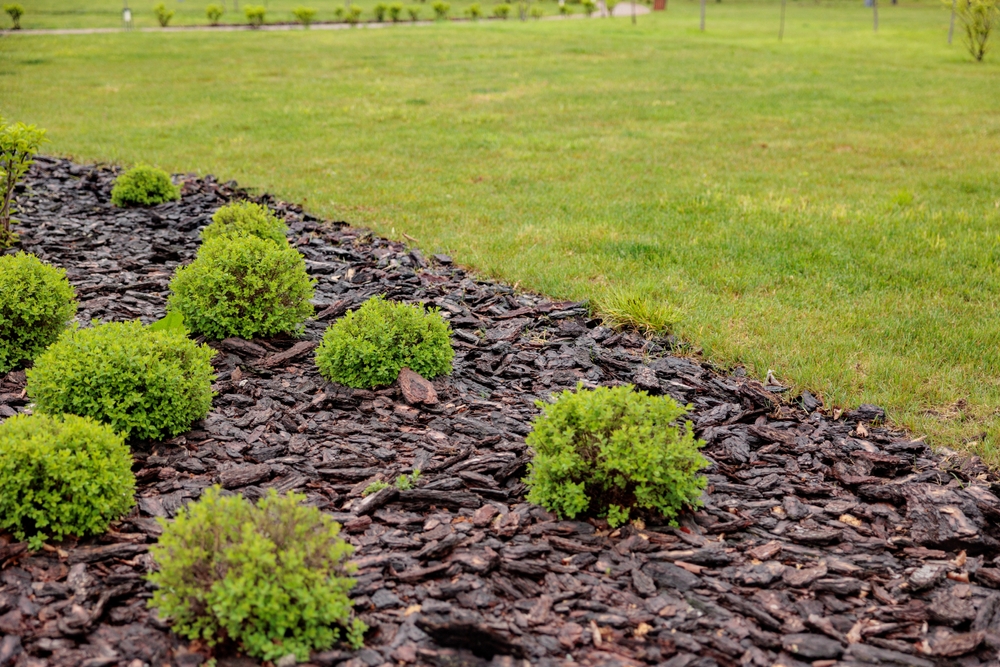
The Hidden Costs Of Poor Quality Mulch
Cheap mulch might seem like a bargain at first glance, but it can hide some sneaky costs. Low-quality mulch often decomposes unevenly, leaving bare patches that need constant refilling. Some varieties can even introduce pests, fungi, or weed seeds into your garden. Over time, replacing cheap mulch can cost more than investing in higher-quality options upfront. Plus, dealing with the aftermath—sick plants, more weeds, and wasted effort—can turn gardening from relaxing to stressful.
How Mulch Affects Soil Health
Mulch isn’t just about aesthetics; it’s a powerful tool for maintaining healthy soil. The wrong mulch can create imbalances in soil pH, over-retain water, or even block airflow to roots. Organic mulch enriches the soil as it decomposes, feeding beneficial microorganisms that support plant growth. Inorganic mulch can prevent erosion and reduce maintenance, but it doesn’t nourish your soil. Understanding these effects can help you pick the right mulch and avoid wasting money on options that do more harm than good.
Common Mulch Mistakes Gardeners Make
Even experienced gardeners fall into common mulch traps that undermine their efforts. Applying too much mulch can suffocate roots and trap excess moisture, leading to root rot. Using mulch that is too coarse or too fine can create uneven coverage and allow weeds to sneak through. Ignoring local climate and plant needs can turn your mulch from a helpful tool into an expensive mess. Timing also matters—mulch applied at the wrong time of year can be less effective or even harmful. Learning these mistakes is the first step toward smarter, money-saving mulching.
Signs Your Mulch Isn’t Working
Sometimes your mulch is doing more harm than good, and the signs are staring you right in the face. Persistent weeds poking through the layer, dry soil under a supposedly moisture-retaining mulch, or fungal growth are all red flags. If your mulch is fading or compacting rapidly, it’s not performing its basic function. Discoloration, odd smells, or pest infestations can also indicate problems. Recognizing these warning signs early can save you both time and money in the long run.
Smart Mulch Choices For Every Garden
Choosing the right mulch isn’t complicated once you know what to look for. Hardwood bark is long-lasting and looks neat, while pine needles are perfect for acid-loving plants. Straw or shredded leaves are budget-friendly options that enrich soil as they break down. Gravel and rubber mulch are low-maintenance but won’t feed your soil. Matching the mulch to your garden’s needs, climate, and maintenance style ensures every dollar spent works as hard as your green thumb.
Tips To Make Mulch Last Longer
A little strategy goes a long way in extending the life of your mulch. Apply it at the recommended depth—usually 2 to 4 inches—for optimal coverage without suffocating plants. Keep mulch a few inches away from plant stems and tree trunks to prevent rot. Regularly fluff or turn it to prevent compaction and maintain airflow. Replenishing mulch once or twice a year instead of constantly adding new layers can save money and time. Smart care ensures that your mulch continues to protect and nourish your garden efficiently.
Eco-Friendly Mulching Practices
Mulch doesn’t have to harm the environment or your wallet. Repurposing shredded leaves, grass clippings, or composted kitchen scraps is sustainable and cost-effective. Avoid mulches with dyes, chemicals, or non-biodegradable components that can leach into your soil. Local resources like municipal compost programs or tree services can provide free or cheap mulch alternatives. By choosing eco-friendly options, you’re not only saving money but also giving your garden a healthier foundation for years to come.
How To Avoid Wasting Money On Mulch
Mulch can be a game-changer for your garden, but only if you choose the right type, apply it correctly, and monitor its performance. Cheap or inappropriate mulch may cost less upfront but could drain your wallet in the long run through constant replacements and plant problems. Understanding your soil, climate, and plant needs is crucial to making smart mulching decisions. Regular care, quality materials, and eco-conscious practices maximize your investment and keep your garden thriving.
Tell us about your own mulch triumphs, disasters, or tips in the comments section below. We’d love to hear your stories.
You May Also Like…
9 Types of Mulch That Best Protect Roots from Winter Freeze
Why Garden Beds Sink After Leaf Mulching
Why You Should Refresh Mulch Around Trees Before the First Snow
Why Mulch Thickness Matters Most Now
Why Mulching Too Early Can Damage Perennials

Brandon Marcus is a staff writer for FrugalGardening.com at District Media, Inc., where he delivers practical gardening advice with a relatable, no-nonsense style. An avid amateur gardener, he holds a BA degree and with over ten years of professional writing experience, he is also an award-winning published author whose first book, Questions For Deep Thinkers, was released by Adams Media. His work has appeared in major publications including Fandom.com, CHUD.com, TheColdWire.com, and Fansided.com.
Leave a Reply