The first chilly weekend of fall can make gardeners feel like they’re racing a deadline: cut everything down, rake every leaf, clear every bed, and leave the yard spotless before winter arrives. But that traditional approach can create unnecessary work while removing winter habitat that birds, bees, butterflies, moths, and other beneficial creatures use until spring. Penn State recommends leaving plants and some garden debris in place because pollinators can overwinter in stems, leaves, bark, and other sheltered spaces. A smarter spring garden cleanup means recognizing which chores genuinely protect your plants now and which can sit untouched for several months. Put away the rake and pruning shears for these seven jobs, because procrastinating may actually improve your garden.
1. Cutting Back Every Perennial Can Wait
Once frost turns your perennials brown, it’s tempting to cut every stem down to the soil and start winter with perfectly empty beds. Instead, allow flower stalks, dried leaves, and other healthy plant material to remain until spring because insects may overwinter on or inside it. Hollow stems can provide nesting habitat, while standing plants also trap leaves that offer additional insulation around the garden. There are exceptions: diseased or seriously pest-infested plants should generally be removed rather than deliberately preserved through winter. Save the healthy perennial cleanup for your spring garden cleanup, when new growth begins reminding you exactly where attention is needed.
2. Removing Every Seed Head Can Wait
Those dried coneflowers and black-eyed Susans may look finished to you, but they’re not necessarily finished serving the garden. Illinois Extension notes that seed heads from plants including purple coneflowers, black-eyed Susans, sedums, Joe-Pye weed, and other flowers can provide winter food for seed-eating birds such as finches. Leaving seed heads also gives the winter landscape texture and movement instead of reducing every flower bed to bare mulch. If one plant self-seeds so aggressively that you’re constantly pulling unwanted seedlings, that’s a perfectly reasonable candidate for fall deadheading. Otherwise, free bird food plus one fewer autumn chore makes waiting until spring garden cleanup an easy bargain.
3. Cutting Ornamental Grasses to the Ground Can Wait
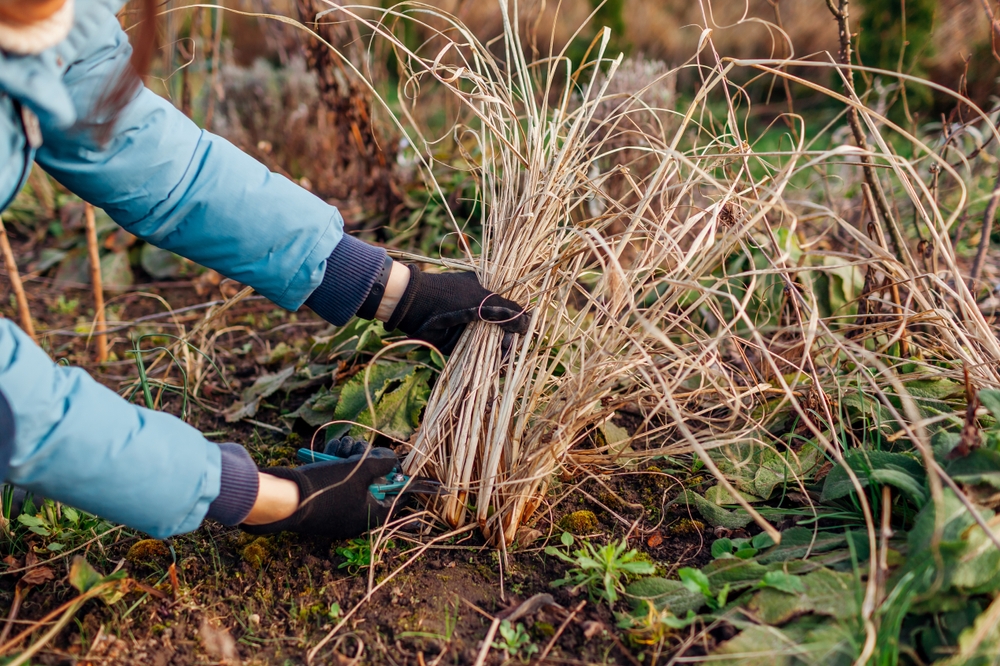
Ornamental grasses are another group gardeners often chop down the moment the growing season ends. Leave grasses intact through fall and winter because they provide habitat for insects, birds, and small mammals. Their dried foliage can also provide structure in an otherwise empty winter garden, particularly after frost or snow. Cutting them in late winter or early spring before vigorous new growth appears still gives you plenty of time to clear away last year’s foliage. Waiting therefore trades an autumn chore for useful wildlife habitat without committing you to a permanently untidy landscape.
4. Removing Every Leaf From Garden Beds Can Wait
Leaves covering your lawn and leaves resting beneath shrubs aren’t necessarily the same problem. A thick layer of leaves can mat down and smother turf, but Penn State recommends leaving some leaves in perennial, shrub, and tree beds where they can provide overwintering habitat and gradually decompose. Fallen leaves can also contribute organic matter and help protect soil rather than becoming bags of material hauled away from your property. Keep walkways and other safety-sensitive areas clear, and don’t intentionally preserve obviously diseased plant material just to maintain a natural look. A less aggressive leaf routine makes spring garden cleanup easier while turning something you once considered yard waste into a free garden resource.
5. Clearing Every Hollow Stem Can Wait
A bundle of dried stems may look like garden trash, but to some native bees it’s potential real estate. Illinois Extension explains that leafcutter and mason bees can nest in plant stems, with offspring eventually emerging as temperatures warm, while Penn State also notes that stem-nesting wasps use dry stems for nesting habitat. If you absolutely can’t tolerate standing stems, Illinois Extension suggests bundling cut stalks and leaving them somewhere out of the way instead of immediately disposing of them. Better yet, leave healthy stems where they grew through winter and deal with them gradually once spring arrives. That’s one spring garden cleanup task where doing less in October can directly preserve beneficial insects.
6. Making Every Corner of the Yard Perfectly Tidy Can Wait
Not every brush pile, twig, fallen branch, or patch of leaf litter represents neglect. Penn State recommends allowing some “messy” spaces such as brush piles, woodpiles, rock piles, and leaf litter because insects and small wildlife use them for nesting and shelter. Illinois Extension similarly points out that downed woody material can provide wildlife benefits when it’s located somewhere appropriate, although dangerous standing dead trees are obviously a different matter. Pick a back corner, area beneath shrubs, or less-visible section of the landscape where natural material can remain without blocking paths or creating a safety issue. Your garden doesn’t need to look abandoned; it simply doesn’t need to resemble a freshly vacuumed living room all winter.
7. Cleaning Every Flower Bed Down to Bare Soil Can Wait
Perhaps the biggest fall-cleanup job worth skipping is the urge to expose every square inch of garden soil. Plant stems, fallen leaves, and other healthy organic material create a more complex winter habitat than an empty bed covered only with decorative mulch. Penn State notes that leaf litter and standing plant debris can provide pupation and overwintering sites while decomposing organic material contributes to soil quality. By spring, some of those leaves will already be breaking down, meaning nature has performed part of your cleanup without charging you anything. When spring garden cleanup arrives, you can remove what remains as plants begin growing again instead of doing the same work months earlier simply for appearances.
Some Fall Cleanup Jobs Shouldn’t Be Postponed
“Wait until spring” isn’t permission to abandon everything in the garden, because a few autumn jobs can prevent real problems. Diseased plant material should be removed, vegetable gardens deserve particular attention when plants have disease or pest problems, hoses should be disconnected and drained before freezing weather, and tender bulbs that won’t survive your climate need appropriate winter storage. Thick leaf mats shouldn’t be allowed to smother turf, and damaged or dangerous branches obviously shouldn’t remain simply because wildlife appreciates natural material. Think of spring garden cleanup as selective procrastination: preserve healthy stems, seed heads, leaves, and habitat while dealing promptly with disease, safety hazards, and anything vulnerable to freezing.
Which fall garden chore would you happily cross off your list and leave until spring?
What to Read Next
You’re Still Watering Like It’s July — Your Fall Garden Doesn’t Need It
Those Dead Flower Stems Look Ugly — Here’s Why Gardeners Are Leaving Them Until Spring
Don’t Put Your Garden Tools Away for Winter Until You Do These 6 Things
Leave a Reply