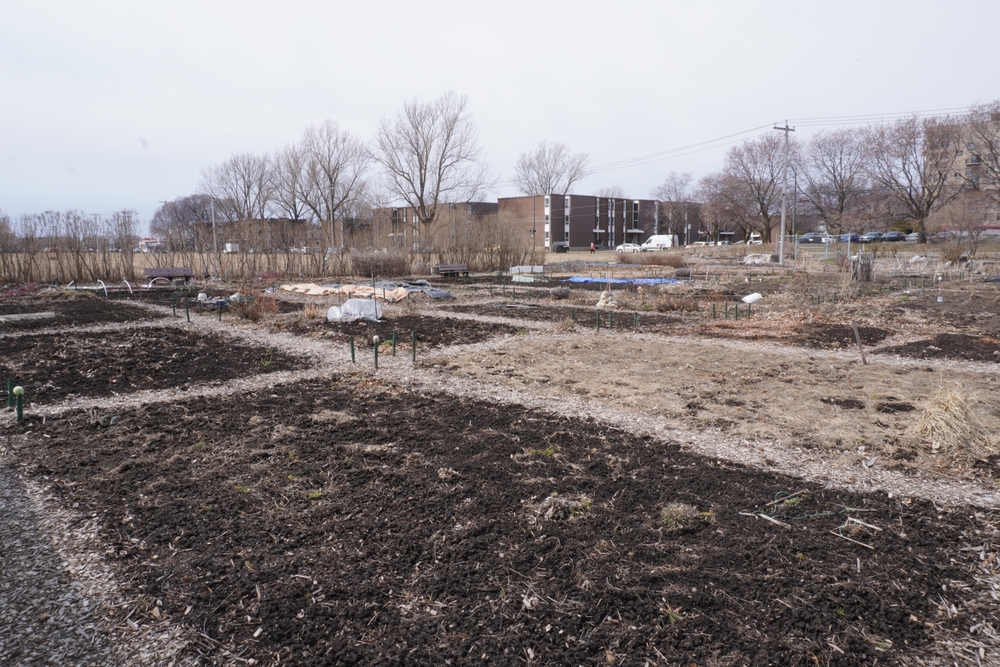
After the last tomatoes are picked and exhausted vegetable plants come out, a perfectly bare garden bed can feel satisfyingly clean. The problem is that soil doesn’t necessarily benefit from spending the next several months exposed to pounding rain, wind, weeds, freezing temperatures, and repeated freeze-thaw cycles. University of Minnesota recommends keeping garden soil covered because mulch and cover crops protect valuable topsoil from erosion, conserve moisture, suppress weeds, and moderate soil temperatures. Leaving bare garden soil over winter can therefore trade one afternoon of fall convenience for erosion, weeds, crusted soil, and additional spring preparation. Fortunately, protecting an empty bed doesn’t require buying expensive products or turning fall gardening into another major project.
Bare Soil Gives Wind and Rain an Easier Target
Topsoil is the part of your garden you can least afford to casually lose because it contains organic matter, nutrients, microorganisms, and the soil structure plants depend on. Leaving the soil surface uncovered increases erosion risk, particularly on slopes, while crop residue, mulch, compost, and living cover crops can reduce that risk.
Even ordinary raindrops matter because the University of Minnesota notes that rain striking bare soil can splash particles several feet into the air. Add winter wind to the equation, particularly when snow cover is limited, and exposed soil particles can leave the garden altogether. Covering bare garden soil over winter essentially puts something between your valuable topsoil and the weather trying to move it.
An Empty Bed Can Become a Weed Bed
Clearing vegetables doesn’t mean the garden remains empty until you decide to plant again. Penn State puts the problem simply: nature tends to cover bare soil, and if gardeners don’t choose what’s growing there, weeds may happily volunteer for the job. Winter annual weeds can germinate during cooler periods, survive as small plants, and then accelerate when favorable spring weather returns. A protective mulch can block sunlight at the soil surface and make it harder for many weed seeds to germinate, reducing the amount of pulling and hoeing required later. University of Minnesota notes that research has found significantly less annual weed pressure in properly mulched systems compared with bare soil.
A Layer of Leaves May Be All You Need
You don’t necessarily need to buy bags of bark to protect a vegetable bed that will be planted again in a few months. Leaves or straw can provide an inexpensive seasonal covering, with University of Minnesota recommending roughly 3 to 4 inches of mulch when protecting garden soil from winter erosion. The material can be raked aside when you’re ready to plant in spring, while partially decomposed organic matter can remain available for composting or other garden uses. Avoid intentionally spreading diseased vegetable debris across the bed, since pathogens associated with crops such as tomatoes can survive on infected plant residue. For frugal gardeners, protecting bare garden soil over winter with leaves you’ve already raked is hard to beat on price.
Cover Crops Put Living Roots to Work
Instead of covering the garden with dead plant material, you can intentionally grow something during the off-season. Cover crops include grasses, grains, legumes, and other plants grown primarily to protect and improve soil rather than to provide a conventional harvest. Their roots can improve soil structure, reduce erosion, and increase water and air movement, while dense plant growth can suppress weeds. Winter rye is particularly useful for holding nutrients because it can capture nitrogen that might otherwise be lost during periods when garden beds are empty. The tradeoff is that cover crops require planning because planting dates, winter survival, and how you’ll terminate the crop before spring vegetables all matter.
Don’t Wait Too Long to Plant a Cover Crop
Cover crops aren’t a last-minute solution you can always scatter onto frozen ground after Thanksgiving dinner and expect to work perfectly. Cover crops planted too late may remain tiny—or die—before they’ve produced enough roots and foliage to provide meaningful erosion protection. Some crops, such as cereal rye, can survive winter, while others including oats commonly winter-kill and leave protective residue behind. Which option makes sense depends on your climate, planting date, spring plans, and how much work you’re willing to do before planting vegetables again. If you’ve already missed the useful planting window, mulch is often a simpler way to avoid leaving bare garden soil over winter.
Covered Soil Can Hold Moisture More Effectively
Winter soil protection isn’t solely about keeping dirt from blowing into your neighbor’s yard. Plant residue on the surface helps snow and rain enter the soil and can reduce moisture lost through evaporation, according to the University of Minnesota. Residue can also trap snow, creating another source of moisture when temperatures eventually rise and the snow melts. During rain, surface material softens the impact of water hitting the ground, helping prevent crusting and sealing that can interfere with infiltration. Those benefits continue beyond winter because organic mulch gradually contributes organic matter as it decomposes. Instead of beginning spring with exposed, weather-beaten ground, you’re giving the soil months of protection before the first seed packet comes out.
Mulch Can Reduce Temperature Swings Too
Garden soil doesn’t remain at one steady temperature simply because nothing is growing in it. Mulch acts as insulation, reducing temperature fluctuations and slowing heat loss during cold periods. That effect can be particularly useful around perennial plants and bulbs, where repeated freezing and thawing can contribute to plants heaving out of the soil and damaging roots. Timing does matter around dormant perennials, however, because guidance recommends waiting until the soil begins freezing before applying heavy winter protective mulch so plants aren’t encouraged to continue growing beneath it. Protecting bare garden soil over winter should always account for whether you’re covering an empty vegetable bed or mulching around living perennial plants.
Skip the Fall Tiller Unless You Have a Good Reason
One traditional fall routine deserves reconsideration: tilling the garden until every bed is loose, smooth, and completely bare. Tillage can increase erosion by breaking soil structure into smaller particles while also accelerating the decomposition of organic matter. Excessive tillage can disrupt soil structure, and walking repeatedly over freshly worked wet soil can create additional compaction problems that you’ll eventually have to correct. If you need to incorporate a specific amendment or address a particular garden problem, cultivation may still have a purpose, but “I’ve always tilled in fall” isn’t automatically a soil-health strategy. Leaving roots, adding surface mulch, or establishing a cover crop may require less work while providing more winter protection.
Put the Garden to Bed With Something on Top
A fall garden doesn’t have to look perfectly bare to be ready for winter, and in many cases it shouldn’t. Healthy leaves, straw, compost, plant residue, or an appropriately chosen cover crop can protect soil from erosion while helping suppress weeds and conserve moisture until planting season returns. The cheapest option may already be sitting in your yard in the form of fallen leaves, while gardeners who plan earlier can experiment with cover crops that add living roots to otherwise empty beds. Avoid diseased plant debris, choose mulch appropriate for what you’re growing, and remember that protecting bare garden soil over winter can be much easier than repairing erosion and fighting weeds after the weather warms.
Do you cover your vegetable beds for winter, or have you traditionally cleaned them down to bare soil every fall?
What to Read Next
Don’t Store Garden Soil Like This Over Winter — You Could Ruin the Whole Bag
That Cheap Bag of Potting Soil May Cost You More in the Long Run — Here’s What to Check
Stop Buying Potting Soil Every Year — Here’s What Can Actually Be Reused
Leave a Reply