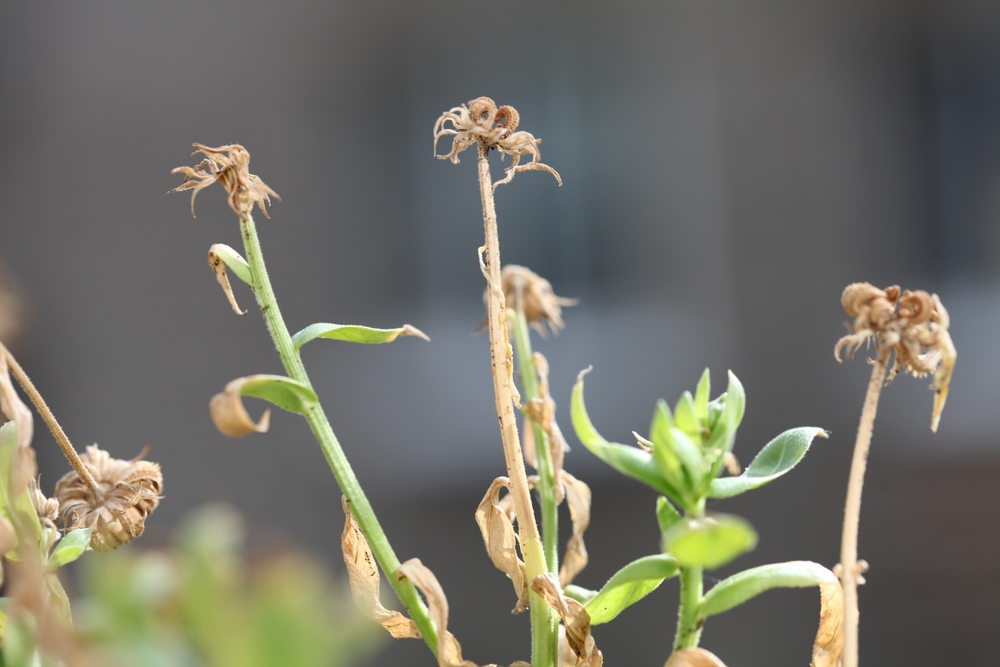
Once frost turns your flower garden brown, the instinct is understandable: grab the pruners, cut everything to the ground, bag the debris, and make the yard look tidy again. But what looks like a collection of dead stems to you may look very different to a bee, butterfly, bird, or other creature preparing for winter. Increasingly, gardeners are deliberately leaving dead flower stems instead of completing a spotless fall cleanup. The practice costs nothing, eliminates some autumn yard work, and can preserve valuable habitat until warmer weather returns. Before cutting every brown perennial to the ground this fall, take a closer look at what those seemingly ugly stems may still be doing.
Dead Stems Can Become Tiny Winter Homes
A dried flower stem isn’t necessarily empty just because the plant has stopped growing for the year. Try leaving some spent flower stems standing because hollow stems can provide nesting and shelter for pollinators, including native bees. Leafcutter and mason bees are among the insects that may use stems, while other beneficial insects can spend winter in dead plant material before emerging when conditions warm. The Xerces Society notes that about 30% of native bees are tunnel nesters that can use small spaces in hollow stems, dead wood, and similar materials. Leaving dead flower stems is therefore less about neglecting your garden and more about recognizing that a dormant garden is still habitat.
Some Butterflies Are Hiding in What Looks Like Debris
Bees aren’t the only insects that make dead garden material worth preserving. Some butterflies overwinter as caterpillars or pupae among leaves, stems, and other plant material. Swallowtails, for example, can spend winter as pupae camouflaged to resemble dried vegetation, while other species shelter in leaves attached to plants. Clearing everything away in fall can therefore remove insects along with the debris, even though you may never notice them while filling the yard-waste bag. Leaving dead flower stems gives these hidden garden residents a better chance of remaining where they settled for the winter.
Seed Heads Can Become Free Bird Feeders
Before deadheading every coneflower or black-eyed Susan, look at what’s still attached to those brown stems. Seed heads from plants such as black-eyed Susans, sedums, purple coneflowers, Joe-Pye weed, and marigolds can provide winter food for seed-eating birds including finches. That means some plants can function almost like free natural bird feeders without requiring you to buy bags of seed or refill a feeder every morning. Birds may also benefit from the insects preserved by a less aggressive cleanup, since those insects become an important food source in the broader backyard ecosystem. For a frugal gardener, getting another season of wildlife value from plants you’ve already paid for is a pretty good return on investment.
Leaving Plants Standing Can Help the Garden Too
Not every benefit of delaying cleanup belongs to wildlife. Dead stems can catch fallen leaves around the base of perennial plants, and those leaves can provide additional insulation. As leaves and other organic material eventually decompose, they also participate in the natural recycling process that returns organic matter to the soil. A perfectly bare garden bed may satisfy our desire for neatness, but nature doesn’t ordinarily clear away every leaf and stem before winter. Leaving dead flower stems can help you mimic some of those natural processes while eliminating an unnecessary round of fall labor.
You Don’t Have to Let the Entire Yard Look Messy
Wildlife-friendly gardening doesn’t require turning every flower bed into an untamed thicket. Keep walkways, patios, entrances, drainage areas, and other functional spaces clear while allowing selected perennial beds or portions of the landscape to remain standing. If a tall stem has collapsed across a sidewalk or looks particularly objectionable, move or cut that one rather than assuming every plant needs identical treatment. Penn State recommends allowing dead stalks and plant debris to remain through winter and early spring as part of creating pollinator habitat. A deliberately edged bed filled with standing seed heads can look intentional rather than abandoned, making leaving dead flower stems easier to reconcile with a tidy landscape.
Diseased Plants Are an Important Exception
“Leave the stems” isn’t a rule that should override basic plant-disease management. If a perennial suffered from a significant disease problem during the growing season, leaving infected material in place may allow pathogens to persist and contribute to problems later. Diseased plant material should still be avoided. Remove problematic material when appropriate rather than treating every dead stem as valuable wildlife habitat, and avoid casually composting diseased debris unless you know your composting method will manage the particular pathogen. The practical goal is selective cleanup: remove genuine problems while leaving healthy dormant plant material wherever it makes sense.
Spring Cleanup Doesn’t Have to Mean Cutting Everything to the Ground
When spring finally arrives, don’t undo your winter habitat work at the first warm afternoon. Leave perennial stems alone through fall and winter and then cut them approximately knee-high after spring has warmed. Those remaining upright stems can become nesting opportunities for stem-nesting bees during the new growing season rather than disappearing into a yard-waste bag. You can cut different stems at varying heights and allow new plant growth to gradually conceal the old stalks as the garden fills in. Leaving dead flower stems can therefore be a year-round habitat strategy rather than merely postponing the same complete cleanup until March.
Doing Less Yard Work Can Actually Save You Money
There is a pleasantly frugal side to discovering that some garden chores don’t need to happen at all. Leaving dead flower stems means less time pruning, fewer yard-waste bags, fewer trips hauling debris away, and potentially less purchased birdseed when natural seed heads remain available. You also avoid removing plant material in fall only to buy mulch, compost, insect houses, or other products intended to recreate some of the ecological functions you just eliminated. None of this means you should stop maintaining the landscape; it means distinguishing between maintenance that solves a problem and cleanup performed mainly because we’ve been conditioned to think every brown plant must immediately disappear. Sometimes the cheapest garden improvement is simply resisting the urge to clean something up.
Let the Garden Look Like Winter for a While
A winter garden isn’t supposed to look like a summer garden, and brown doesn’t necessarily mean useless. Standing stems, seed heads, fallen leaves, and other healthy plant material can provide nesting sites, overwintering habitat, food, insulation, and visual structure long after the final flowers disappear. Do your best to delay cutting back stems until late spring because native bees and other insects may be overwintering inside them. Clean up diseased material and genuine hazards, but consider giving everything else permission to remain imperfect until the garden—and the creatures living in it—are ready for spring.
Do you leave your flower stems standing through winter, or does seeing a brown garden still make you want to grab the pruners? Share your approach in the comments.
What to Read Next
That Half-Dead Clearance Plant Is $3 — How Do You Know If It Can Be Saved?
Don’t Throw Away Your Dead Plants Yet — Some Could Save You Money Next Spring
Never Burn This Plant When Cleaning Up the Yard — Even If It Looks Dead
Leave a Reply