As the crisp air rolls in and the pumpkin-spice everything starts appearing, most people think fall is the season to wrap up the garden and call it quits. But here’s the wild secret: while you’re raking, pruning, and prepping for winter, nature is depending on your backyard more than ever.
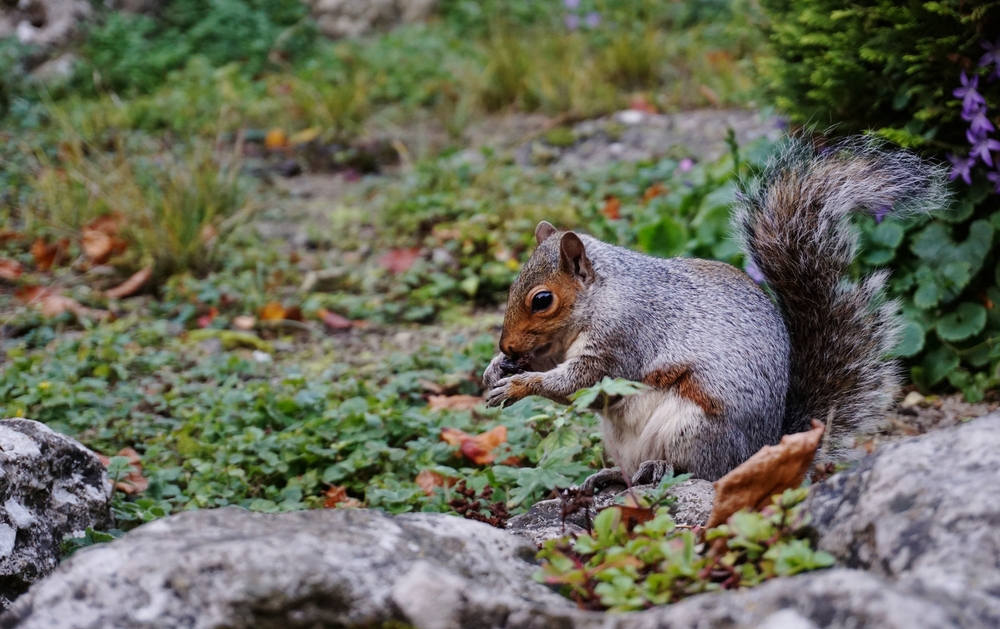
The butterflies, birds, bees, and even that suspiciously chubby squirrel are all counting on what’s left behind in your fall garden to survive the colder months. It’s not just pretty plants and leftover pumpkins—it’s a lifeline.
The Hidden Buffet Beneath the Leaves
You might be tempted to rake every last leaf off your lawn, but to wildlife, that leafy layer is basically an all-you-can-eat buffet. Underneath those colorful piles live beetles, worms, and other insects—prime snacks for birds and small mammals. Decomposing leaves also attract tiny critters that pollinators and frogs love. Plus, the layer of organic matter keeps the soil warm, giving insects a safe place to overwinter. So next time you eye that rake, maybe let a few piles stay—think of it as a seasonal donation to the local wildlife pantry.
Seed Heads: Nature’s Snack Bar
Those dried seed heads you’re planning to snip off? Don’t! Finches, chickadees, and other seed-eating birds see them as nature’s version of a snack bar. As fall deepens and insects disappear, those seeds become a crucial food source that helps sustain wildlife through winter’s lean months. Native plants like coneflowers, sunflowers, and black-eyed Susans are particularly beloved. By leaving them up, you’re not being lazy—you’re literally helping your local bird population make it through to spring.
Dead Stems Are Not Dead Weight
When the growing season ends, many gardeners instinctively cut everything back to keep things tidy. But those dry stems and hollow stalks can be essential shelters for wildlife. Bees, butterflies, and ladybugs use them as nesting spots and safe winter hideouts. Even small mammals and reptiles might find cozy protection inside the dense, woody structure. Instead of chopping everything down, leave some standing—it’s like giving nature a cozy little apartment complex to survive the cold.
Puddles and Birdbaths: The Fall Hydration Station
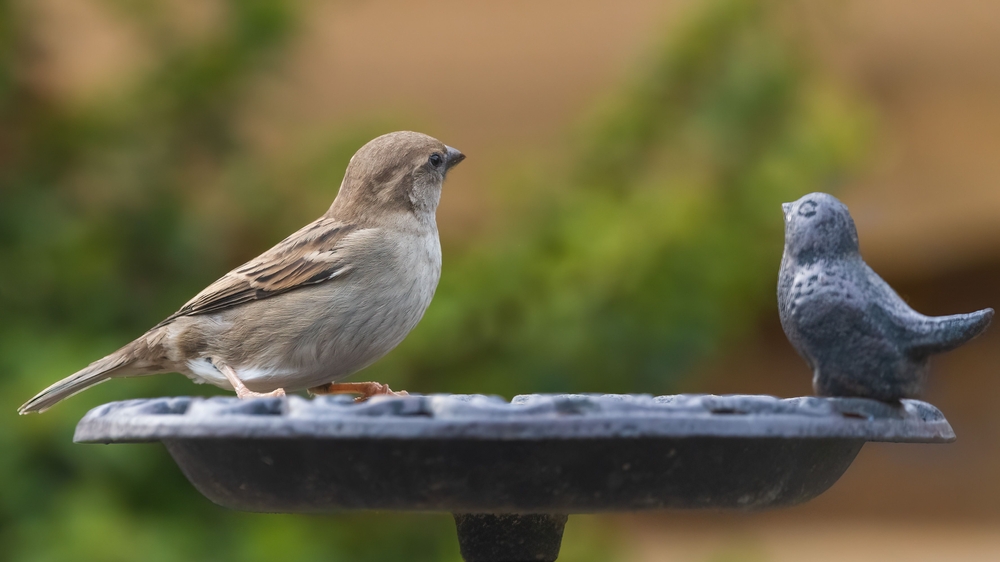
While summer gets all the attention for birdbaths and watering stations, fall hydration is just as important. Migrating birds and thirsty critters still need reliable water sources as natural puddles start to dry up. A shallow dish or heated birdbath can make your garden the hottest pit stop on the migration route. You’ll see birds, chipmunks, and maybe even a curious fox stopping by for a sip. Keeping your birdbath clean and ice-free could literally mean survival for many small creatures in your area.
Compost Piles: The Wildlife Condo You Didn’t Know You Built
Compost piles aren’t just for recycling your veggie scraps—they’re five-star hotels for countless tiny creatures. As organic material breaks down, it generates warmth, which attracts worms, beetles, and fungi. These, in turn, attract hungry animals like birds and hedgehogs looking for a meal. You might even spot a toad or snake seeking shelter in the cozy compost layers. So when you pile up those leaves and leftovers, remember: you’re not just composting—you’re contributing to the local food chain.
Shrubs and Bushes: The Fall Refuge for Small Wildlife
Fall is when shrubs and bushes transform into survival bunkers for wildlife. Dense foliage provides cover from predators and cold winds, while berries offer crucial late-season nutrition. Birds like robins and thrushes feast on the fruit, while rabbits and hedgehogs burrow underneath for warmth. By avoiding over-pruning in autumn, you preserve a protective layer for dozens of tiny guests. A little overgrowth now means a thriving ecosystem come spring.
Fallen Fruit: Nature’s Last Feast Before Winter
Those apples, pears, and berries that drop to the ground might look messy—but they’re a lifeline for wildlife. As temperatures dip, deer, raccoons, and songbirds flock to the fallen fruit for one last sugary feast. Even insects like butterflies and bees sip on the juices, squeezing out the last of the season’s energy. By leaving a few fallen fruits in your garden, you’re helping wildlife stock up before the scarcity of winter hits. Sure, it’s not the prettiest look—but nature doesn’t mind a little mess.
The Power of Native Plants in Fall
Native plants are the unsung heroes of fall gardens. They provide seeds, shelter, and nutrients perfectly suited to your local wildlife because they’ve evolved together for centuries. As other plants fade, many native varieties continue feeding pollinators and sheltering insects well into the cold months. Think goldenrods, asters, and switchgrass—they’re beautiful, resilient, and wildly useful. The more native plants you grow, the more your fall garden transforms into a miniature wildlife refuge.
Why Doing Less Actually Helps More
Here’s the best part: helping wildlife doesn’t require more work—it often means doing less. Skip the raking marathon, hold off on trimming everything, and embrace a little wildness in your yard. That “imperfect” fall garden is actually an ecological powerhouse, supporting life when nature needs it most. The insects you protect now will pollinate your flowers next spring, and the birds you feed will return to your garden year after year. Sometimes the best thing you can do for the planet is to sit back, sip your cider, and let nature do its thing.
Your Fall Garden Is Nature’s Safety Net
When you see a bird pecking at seed heads or a squirrel scurrying under leaves, remember—you’re witnessing the ripple effects of your fall garden choices. Every plant you leave standing and every leaf you let lie helps create a sanctuary for wildlife trying to survive the harsh months ahead. Fall gardening isn’t just about tidying up—it’s about giving nature a fighting chance.
Have you noticed animals or insects enjoying your fall garden? Share your stories, tips, or more in the comments below.
You May Also Like…
Why Unharvested Fruit Can Damage Trees in Fall
The Shade Garden Strategy That Turns Dead Zones Into Lush Retreats
9 Garden Tools You’ll Use More in Fall Than Summer
The Secret Role of Dew in Autumn Gardening
10 Gardening Habits That Are Actually Destroying Your Soil

Brandon Marcus is a staff writer for FrugalGardening.com at District Media, Inc., where he delivers practical gardening advice with a relatable, no-nonsense style. An avid amateur gardener, he holds a BA degree and with over ten years of professional writing experience, he is also an award-winning published author whose first book, Questions For Deep Thinkers, was released by Adams Media. His work has appeared in major publications including Fandom.com, CHUD.com, TheColdWire.com, and Fansided.com.
Leave a Reply