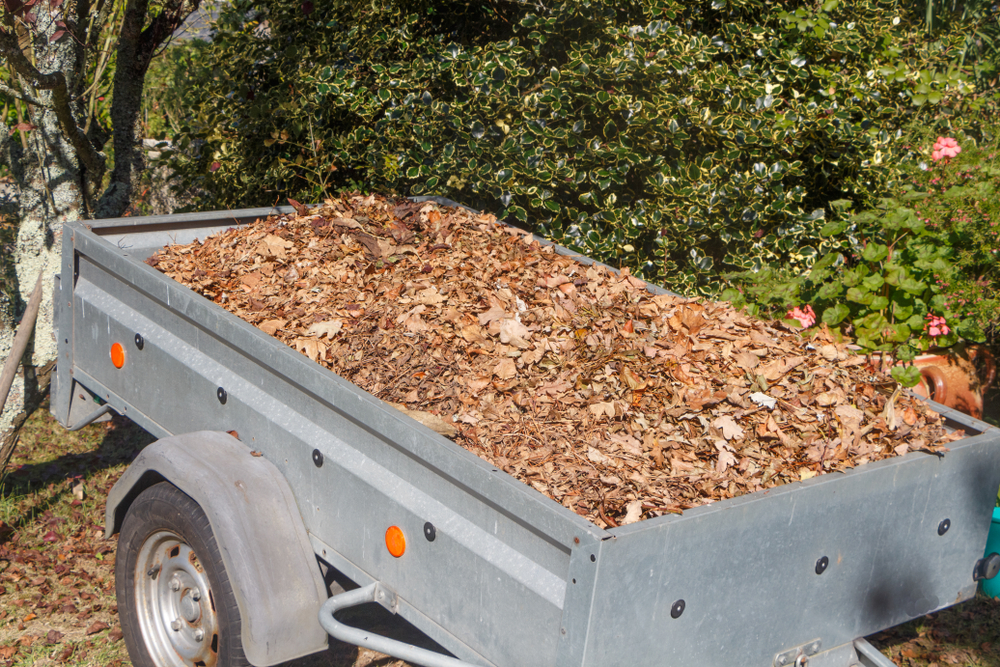
Fall used to mean one thing in the garden: cut everything down, rake every leaf, bag the debris, and leave the beds spotless before winter. Garden experts increasingly recommend something much less exhausting—and considerably better for the insects, birds, soil, and plants sharing your yard. A more selective fall garden cleanup can preserve overwintering habitat, protect perennial crowns, provide natural mulch, and even feed birds without costing you anything. That doesn’t mean letting diseased tomato vines rot beside the raised beds or ignoring serious pest problems until spring. Instead, these seven things are worth leaving alone when you’re tempted to make the garden perfectly tidy.
Leave Some Fallen Leaves Where They Land
Those leaves collecting underneath shrubs and perennials aren’t necessarily garden garbage. Illinois Extension recommends leaving leaves in garden areas because they provide insulation and habitat for overwintering insects, including moths and butterflies. Leaves also gradually decompose and return organic material and nutrients to the soil, essentially creating free mulch from something homeowners often pay to haul away. Thick mats shouldn’t be allowed to smother turf or sensitive plants, so rake leaves off problem areas and move them into beds or less-visible portions of the landscape instead. A frugal fall garden cleanup can therefore begin by buying fewer bags and hauling away fewer leaves.
Leave Healthy Perennial Stems Standing
It can be tempting to cut every brown perennial down to the soil as soon as frost arrives, but those stems still have jobs to do. Iowa State University recommends leaving stems, leaves, dried flowers, and seed heads on many perennials because they offer winter protection to the plants while benefiting pollinators, beneficial insects, and wildlife. Standing plant material also catches fallen leaves, creating another insulating layer around perennial crowns and root systems. Penn State similarly advises gardeners to rethink the traditional practice of clear-cutting herbaceous material before winter. You can always remove or shorten appropriate stems later instead of stripping every garden bed bare in October.
Leave Those Dried Seed Heads for the Birds
A dried coneflower isn’t as colorful as it was in July, but that doesn’t mean its useful life has ended. Illinois Extension says seed heads from plants such as purple coneflowers, black-eyed Susans, Joe-Pye weed, sedums, and marigolds can provide food for seed-eating birds during winter. It is recommended that you leave seed heads and perennial growth standing because they support songbirds as well as overwintering insects. There’s a financial bonus for gardeners who normally buy birdseed: leaving natural food sources costs absolutely nothing. Instead of deadheading every last flower during fall garden cleanup, leave at least some productive seed heads until birds have had a chance to use them.
Leave Hollow and Pithy Stems for Native Bees
Some of the most valuable garden real estate may look like nothing more than a dead stick. Illinois Extension explains that native bees, including mason and leafcutter bees, use hollow plant stems for nesting and shelter, which is one reason experts recommend leaving stems instead of cutting everything flush with the soil. There’s an interesting wrinkle here, however: newer NC State research found stems weren’t occupied during their first winter and says gardeners can trim them between the first fall frost and last spring frost without discarding bees. Cutting appropriate stems rather than completely removing them can expose nesting cavities that bees may use later. The practical takeaway is simple: don’t haul every dead stem away just because the garden season has ended.
Leave Some Bare Ground Uncovered
Mulching every visible inch of soil sounds like good garden housekeeping, but it can unintentionally eliminate habitat. The University of Minnesota recommends leaving areas of bare ground along with leaves and some brush piles to provide habitat for native bees. Illinois Extension notes that roughly 70% of native bee species nest in the ground and specifically recommends leaving some bare patches rather than mulching everything. That doesn’t mean stripping established beds of useful mulch or deliberately creating erosion problems. It simply means your fall garden cleanup doesn’t need to finish with every square inch buried beneath a perfectly uniform blanket of mulch.
Leave a Small Brush or Wood Pile if You Have Room
A perfectly groomed yard doesn’t offer many hiding places for wildlife trying to survive freezing weather. Being less focused on total neatness because small wildlife and insects can use messy areas, including brush piles, rock piles, woodpiles, and leaf litter. Illinois Extension likewise explains that garden debris can provide winter habitat for insects, arachnids, amphibians, birds, and other wildlife. You don’t need a massive pile of branches beside the front porch; an unobtrusive corner behind shrubs or at the back of the property can serve the purpose. Reusing suitable natural debris on-site can also save the effort and expense of hauling every stick away.
7. Leave Healthy Ornamental Grasses Until Spring
Ornamental grasses are another category where putting down the pruners can pay off. Leaving dried flowers, stems, leaves, and seed heads can provide winter interest while protecting plant crowns and supporting wildlife. Standing grasses catch snow and leaves around their bases, while their seed heads may also provide food and structure during otherwise barren winter months. From a purely practical standpoint, leaving them upright means one less major chore competing for your attention during an already busy fall. Cut them back at the appropriate time later rather than automatically including every healthy grass in the autumn cleanup marathon.
Some Garden Debris Still Needs to Go
Selective fall garden cleanup shouldn’t become an excuse to leave serious disease problems behind. Remove diseased plants and clean dead or decaying material from vegetable gardens, while removing fall debris from perennials that suffered significant disease or insect-pest problems. That means blighted tomatoes, heavily diseased foliage, problematic weeds before they scatter seed, and material harboring known pests deserve different treatment than healthy coneflower stems and clean fallen leaves. The smartest garden isn’t necessarily the neatest one—it is the garden where cleanup decisions have a reason behind them.
Which fall garden chore are you happiest to stop doing, and what will you leave standing this year? Share your plans in the comments.
What to Read Next
Fall Garden Clearance Has Started: These 7 Things Are Worth Buying Now and 5 Aren’t
Tomato Blight? Don’t Put These Plants in the Compost Pile
Powdery Mildew Is Everywhere This Fall — Can Those Leaves Go in Compost?
Leave a Reply